Cat Echocardiogram: What Chicago Pet Owners Should Expect
Cat Echocardiogram: What Chicago Pet Owners Should Expect
If your veterinarian has recommended a cat echocardiogram for your feline companion, you may be feeling anxious or uncertain about what the process involves. At 4 Paws Imaging, located at 116 W Grand Avenue, Chicago, IL 60654, our specialized veterinary imaging team is dedicated to providing detailed, advanced diagnostics so you and your cat receive the answers and peace of mind you deserve. A cat echocardiogram is one of the most important tools available for accurately assessing feline heart health, allowing for earlier detection and more effective management of heart conditions. In this guide, we’ll walk you through why an echocardiogram might be needed, what the procedure involves, what you can expect during your visit to 4 Paws Imaging, and how these advanced diagnostics can help safeguard your cat’s well-being for years to come. Whether you’re in Chicago or the surrounding communities, our imaging professionals are here to support you and your cat with compassionate, expert care.
When Might Your Cat Need an Echocardiogram?
Many cat owners are surprised to learn how common heart disease can be in felines. Unlike dogs, cats are often masters at hiding signs of illness, which means heart conditions may progress for months—or even years—before symptoms become obvious. Understanding when a cat echocardiogram is needed starts with recognizing the subtle signals your cat may be giving.
Key warning signs that could indicate a heart problem include increased breathing rate or effort, persistent coughing, decreased appetite, noticeable weight loss, or a sudden reluctance to play and exercise. In some cases, you might notice your cat sleeping more than usual or finding unusual resting positions, such as sitting upright with the elbows out to ease breathing. Fainting episodes or sudden weakness are less common but are always cause for immediate concern. Sometimes, your primary care veterinarian may detect a heart murmur or abnormal rhythm during a routine exam and recommend an echocardiogram even if your cat is not showing outward signs, as early intervention can make a significant difference in long-term outcomes.
For cats with certain breeds predisposed to heart conditions—like Maine Coons, Ragdolls, British Shorthairs, and Sphynx—screening with an echocardiogram is sometimes advised even in the absence of symptoms. If your veterinarian has suggested this advanced imaging, it is because they want the most accurate information to guide your cat’s care.
Understanding Feline Heart Disease: Why Echocardiograms Matter
Feline heart disease can have multiple causes, but hypertrophic cardiomyopathy (HCM) is the most frequently diagnosed condition. HCM involves thickening of the heart muscle, which can hinder the heart’s ability to pump blood efficiently. Other cardiac conditions in cats include restrictive cardiomyopathy, dilated cardiomyopathy, congenital defects, and heart valve abnormalities.
A cat echocardiogram is the gold standard for diagnosing these diseases. Unlike standard X-rays or even electrocardiograms, an echocardiogram uses ultrasound technology to create real-time, moving images of your cat’s heart. This allows the veterinary cardiologist to assess heart structure, wall thickness, valve movement, and how efficiently blood is being pumped. Accurate diagnosis is essential, as heart disease in cats can be subtle and complex, often requiring nuanced management plans.
In Chicago, where seasonal temperature changes can affect feline comfort and stress levels, having a precise diagnosis can also help your primary veterinarian recommend tailored home care strategies. Factors such as age, breed, and concurrent medical conditions all contribute to your cat’s unique risk profile, making advanced imaging even more valuable.
What Happens During a Cat Echocardiogram at 4 Paws Imaging?
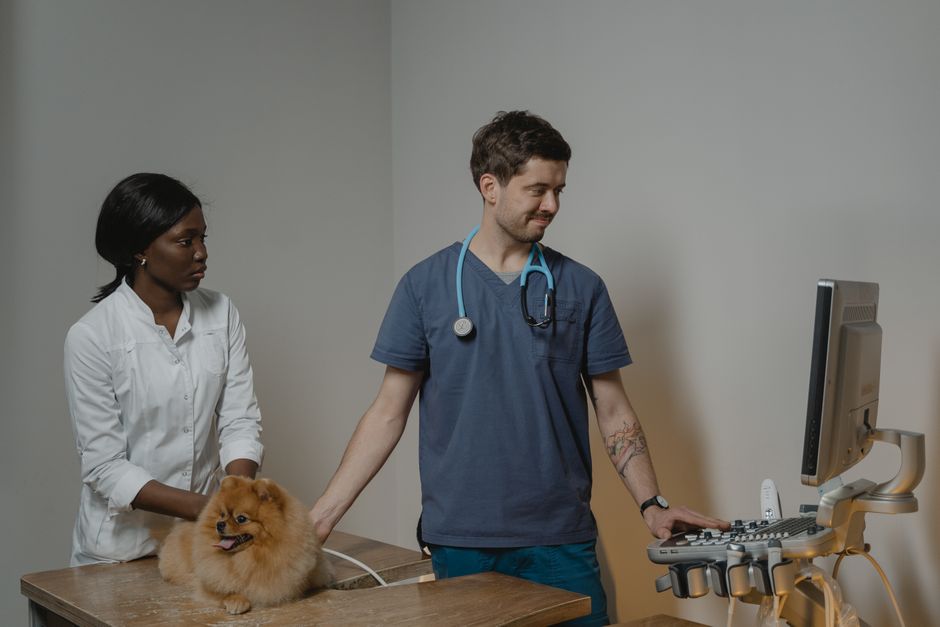
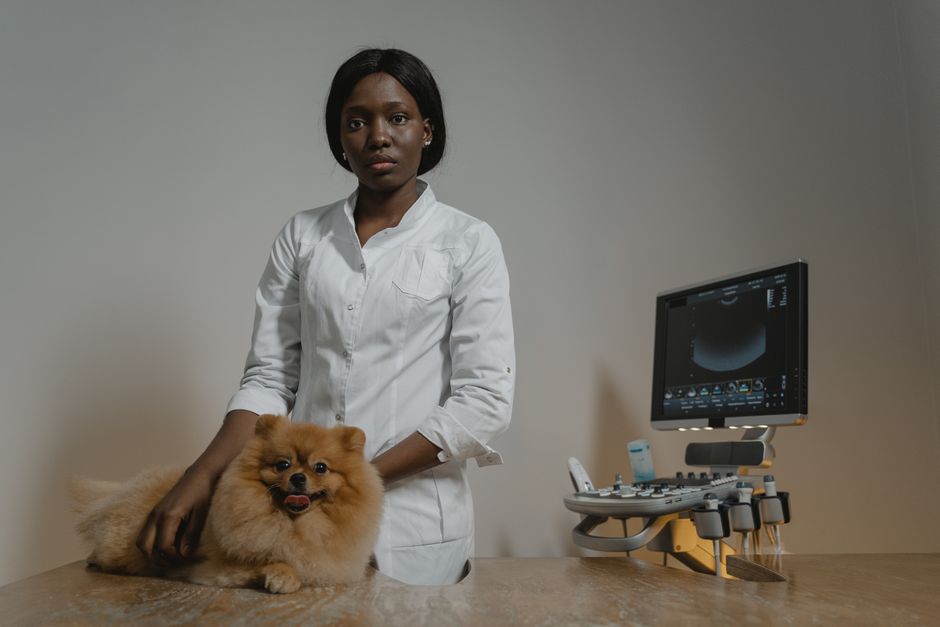
When you bring your cat to 4 Paws Imaging for an echocardiogram, you can expect a calm, supportive environment specifically designed for advanced diagnostics. Our veterinary imaging team works closely with your primary care veterinarian, who may have referred your cat for this specialized test. The procedure itself is non-invasive, safe, and generally well tolerated by most cats.
After arriving at our Chicago location, your cat will be gently positioned on a comfortable padded table. In some cases, a small area of fur on the chest may be clipped to allow for better ultrasound contact. A specially trained veterinary sonographer or cardiologist will apply ultrasound gel and use a handheld transducer to obtain detailed images of the heart from various angles. The entire process usually takes about 30 to 60 minutes, depending on your cat’s temperament and the complexity of the case.
Cats rarely require sedation for an echocardiogram, but if your feline friend is especially anxious, mild sedation may be considered for comfort and safety. Throughout the procedure, your cat is monitored closely, and our team prioritizes minimizing stress at every step.
Once the imaging is complete, the results are interpreted by a board-certified veterinary cardiologist. You and your referring veterinarian will receive a detailed report outlining the findings and recommendations for next steps. If you would like a more in-depth overview of the echocardiogram process, you can explore our comprehensive echocardiogram ultrasound services for pets.
Additional Diagnostic Imaging for a Complete Heart Health Picture
Depending on your cat’s specific situation, your primary veterinarian or the imaging specialists at 4 Paws Imaging may recommend additional diagnostic tests to complement the cat echocardiogram. Electrocardiograms (ECG) can provide valuable information about your cat’s heart rhythm and detect electrical abnormalities, while Holter monitors offer extended monitoring for arrhythmias that may not appear during a brief clinic visit.
For example, if your cat has fainting spells or irregular heartbeats, our electrocardiogram services and Holter monitor services can help pinpoint the underlying cause and guide treatment. Our veterinary imaging team will discuss which tests are most appropriate based on your cat’s history and physical examination findings.
How to Prepare Your Cat for an Echocardiogram
Preparing your cat for an echocardiogram is usually straightforward. Most cats do not need to fast before the appointment unless your veterinarian has advised otherwise. To minimize stress, try to keep your cat’s routine as normal as possible prior to the visit. Bringing your cat in a secure carrier lined with a familiar blanket can provide extra comfort during transport.
If your cat is especially nervous, talk to your primary care veterinarian about strategies to help reduce anxiety, such as pheromone sprays, calming supplements, or even a mild sedative if needed. Let our team know about your cat’s temperament and any previous experiences with veterinary visits so we can tailor our approach to best support you both.
After the test, your cat can resume normal activities at home unless otherwise directed by your veterinarian. Our team will send the results promptly to your referring veterinarian, who will follow up with you regarding treatment or monitoring recommendations.
What Happens After the Echocardiogram? Understanding the Results
Once your cat’s echocardiogram is complete, our board-certified specialists will review the ultrasound images and provide a detailed interpretation for your primary veterinarian. The report will include information about the overall heart structure, chamber size, wall thickness, movement of the valves, and how well the heart is pumping.
Common findings might include mild thickening of the heart muscle that requires periodic monitoring, or more advanced changes that may need medication. In some cases, the echocardiogram may reveal congenital defects or structural issues that explain symptoms like difficulty breathing or fainting. Your veterinarian will discuss the results with you and make recommendations tailored to your cat’s specific needs, which could include starting medications, adjusting current therapies, or scheduling follow-up imaging.
If you have been asked to fill out a patient history form prior to your appointment, you can find our Echocardiogram Patient History Form here.
Supporting Your Cat’s Heart Health at Home
While an echocardiogram provides vital information for treatment, ongoing home care also plays a crucial role in supporting your cat’s heart health. Follow your veterinarian’s recommendations for any prescribed medications or dietary adjustments. Monitor your cat’s breathing rate at rest and watch for changes in energy level or appetite, as these can be early clues to worsening heart function.
Keep your cat at a healthy weight, as obesity can put additional strain on the heart. Provide a calm, stress-free environment and avoid intense exertion if your cat has been diagnosed with heart disease. Regular check-ups with your primary veterinarian, along with periodic rechecks at 4 Paws Imaging if recommended, help ensure any changes are detected early.
If your cat is at risk due to breed or age, discuss with your veterinarian whether routine screening with a cat echocardiogram could be beneficial, even if your cat seems healthy.
When to Seek Veterinary Care Immediately
If your cat experiences sudden difficulty breathing, open-mouth breathing, collapse, or severe lethargy, seek veterinary attention right away. These can be signs of advanced heart disease or fluid buildup that require emergency intervention. Your primary care veterinarian or local emergency clinic is best equipped to stabilize these cases, and follow-up imaging at 4 Paws Imaging will provide detailed insights for ongoing care.
For non-urgent concerns, such as a new heart murmur detected during a routine exam or mild changes in behavior, scheduling a referral for a cat echocardiogram at our Chicago facility is the most effective way to achieve an accurate diagnosis and peace of mind.
Why Refer to a Specialty Imaging Center Like 4 Paws Imaging?
General practice veterinarians are skilled at detecting many common health issues, but some conditions—especially those affecting the heart—require advanced tools and specialized expertise. At 4 Paws Imaging, our focus on state-of-the-art diagnostic imaging means your cat benefits from the most precise, detailed assessments possible. Our collaborative approach ensures that your primary veterinarian receives timely, thorough reports that support the best possible treatment decisions for your cat.
We are proud to serve Chicago and surrounding communities with a commitment to excellence, compassion, and ongoing support for both you and your pet. Our facility offers a comfortable, low-stress environment and flexible scheduling to meet your needs.
Take the Next Steps for Your Cat’s Heart Health
If your cat has been referred for a cat echocardiogram, or you are concerned about your cat’s heart health, the team at 4 Paws Imaging is here to help. Our veterinary imaging specialists work closely with your primary care veterinarian to deliver accurate, timely results that support your cat’s ongoing well-being. When searching for a specialty vet near me, choosing a practice focused exclusively on advanced diagnostics ensures your cat receives the highest standard of care.
To schedule an appointment or learn more about our comprehensive echocardiogram ultrasounds for pets, contact 4 Paws Imaging at (630) 746-1382, visit us at 116 W Grand Avenue, Chicago, IL 60654, or explore our full range of veterinary imaging services. Your cat’s heart health is too important to leave to chance—let our specialized team provide the answers and reassurance you need.