Cat Echocardiogram: What Chicago Pet Owners Should Know

Cat Echocardiogram: What Chicago Pet Owners Should Know
When your cat’s heart health is in question, every moment counts. For many Chicago pet owners, concerns about their cat’s heart can bring anxiety and uncertainty. At 4 Paws Imaging, located at 116 W Grand Avenue, Chicago, IL 60654, our team of veterinary professionals provides advanced diagnostic imaging, including the cat echocardiogram, to help uncover hidden heart issues with clarity and care. If your cat is showing signs of heart trouble or your primary veterinarian has recommended further cardiac evaluation, a cat echocardiogram in Chicago can be a crucial step toward answers and peace of mind.
This blog will walk you through what a cat echocardiogram involves, which signs may indicate your cat needs this specialized imaging, and how our experienced veterinary team at 4 Paws Imaging ensures your pet’s comfort during the process. We’ll also discuss what to expect before, during, and after the procedure, and highlight the importance of timely diagnosis for feline heart conditions. For pet owners in Chicago and surrounding communities, understanding this procedure can empower you to make informed decisions for your cat’s health. You can learn more about our echocardiogram services, including how we work with board-certified veterinary cardiologists, by visiting our comprehensive echocardiogram page.
Recognizing When Your Cat Might Need an Echocardiogram
It’s natural to wonder when a cat echocardiogram might be necessary. While some heart issues in cats remain silent, there are subtle clues that may suggest your feline companion needs further cardiac evaluation. Key symptoms include coughing, difficulty breathing, or rapid breathing at rest. Additionally, some cats may show decreased activity, increased hiding, fainting episodes, or even open-mouth breathing. In certain cases, your veterinarian might discover a heart murmur or abnormal heart rhythm during a routine examination, prompting the need for more detailed imaging.
Cats can be masters at masking illness, which is why even mild changes in behavior or energy should be taken seriously. Pet owners in Chicago, especially those living in high-rise apartments or busy neighborhoods, may notice their cat is less interested in climbing or exploring. If your cat is diagnosed with conditions such as hyperthyroidism, hypertension, or has a history of heart disease, your veterinarian may recommend a cat echocardiogram as part of a thorough workup. Sometimes, a pre-anesthetic screening for dental or surgical procedures reveals subtle concerns that warrant advanced imaging to keep your cat safe.
Understanding Cat Heart Disease: Why Does It Happen?
Feline heart disease is more common than many realize, with the most frequently diagnosed condition being hypertrophic cardiomyopathy. This disorder involves the thickening of the heart muscle, which can reduce the heart’s ability to pump efficiently. Genetics play a significant role, as certain breeds like Maine Coons and Ragdolls are predisposed to inherited forms of heart disease. However, any cat can develop cardiac issues, regardless of age or breed.
Other contributing factors include chronic high blood pressure, overactive thyroid glands, or heartworms, although the latter is less prevalent in the Chicago area. Environmental stressors, obesity, and even age-related changes can affect heart health. The challenge with feline heart disease is its tendency to progress silently; by the time outward symptoms appear, the condition may be advanced. That’s why diagnostic tools like the cat echocardiogram are so valuable—they allow our veterinary professionals to visualize the heart’s structure and function in real-time, often before symptoms become severe.
What to Expect From a Cat Echocardiogram in Chicago
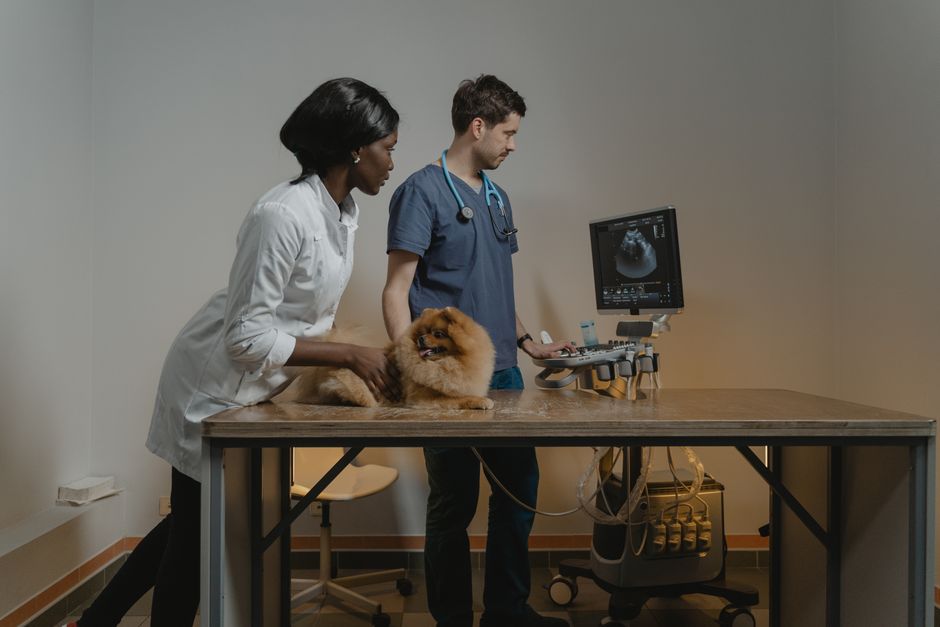
When your veterinarian refers your cat to 4 Paws Imaging for a cat echocardiogram, you can expect a careful, compassionate process tailored to your pet’s unique needs. The echocardiogram, or cardiac ultrasound, uses high-frequency sound waves to create detailed images of the heart’s chambers, valves, and surrounding vessels. This technology allows our experienced imaging team and consulting veterinary cardiologists to assess how well your cat’s heart is functioning.
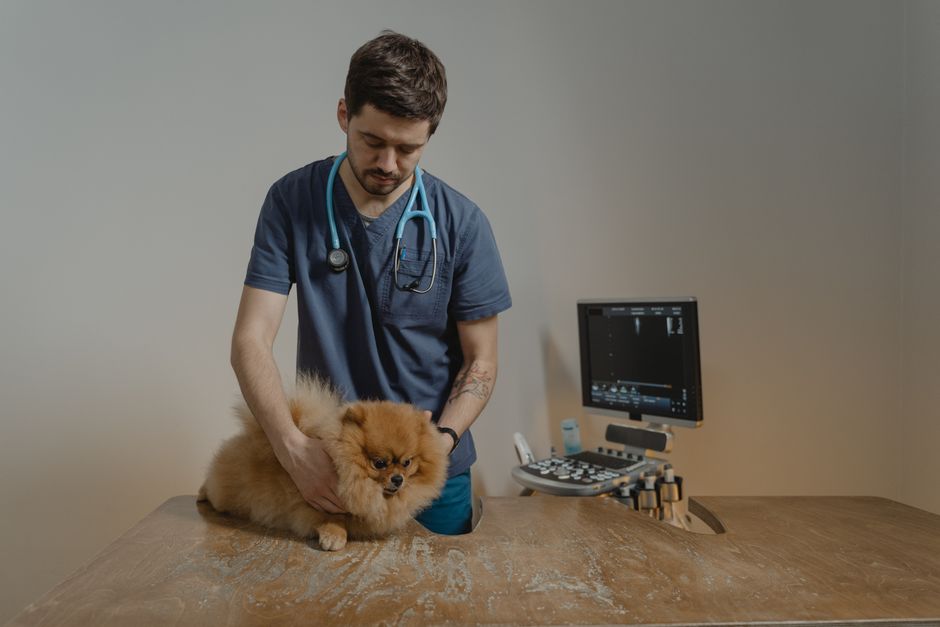
Preparation for the echocardiogram is typically straightforward. Most cats do not need to be sedated, as the procedure is non-invasive and painless. Our team focuses on gentle handling, minimizing stress and ensuring your cat is comfortable throughout the imaging session. You may be asked to withhold food for a few hours beforehand, depending on your cat’s health and temperament. The imaging process usually takes about 20 to 40 minutes, during which your cat will rest on a soft surface while our professionals use a specialized probe on the chest area.
During the procedure, we capture real-time images and measurements that help diagnose conditions like hypertrophic cardiomyopathy, valve abnormalities, or congenital heart defects. The results are reviewed by a board-certified veterinary cardiologist, ensuring the highest level of expertise in interpretation. For pet owners interested in what to expect or how to prepare, we recommend completing our echocardiogram patient history form prior to your cat’s appointment. This helps us tailor the experience to your pet’s health background.
The Value of Early Diagnosis and Ongoing Cardiac Monitoring
Early detection is crucial when it comes to feline heart disease. A cat echocardiogram provides critical information that cannot be obtained from a physical exam or even standard X-rays alone. By visualizing the heart’s structure and assessing blood flow patterns, our veterinary team can differentiate between different types of heart disease and determine the severity of your cat’s condition.
This detailed insight guides your primary veterinarian in creating a customized treatment plan. Management strategies may involve medications to help the heart pump more effectively, recommendations for lifestyle or dietary changes, and ongoing monitoring to track your cat’s response to treatment. In some cases, additional diagnostics such as an electrocardiogram (ECG) or Holter monitor may be recommended for a comprehensive evaluation of your cat’s heart rhythm and electrical activity.
For cats diagnosed in the early stages of heart disease, regular follow-up echocardiograms can help monitor disease progression and adjust therapy as needed. Our state-of-the-art equipment and collaboration with veterinary cardiologists ensure continuity of care and accurate, timely reporting to your referring veterinarian.
Supporting Your Cat’s Heart Health at Home
While advanced imaging is essential for diagnosis, there are important steps you can take at home to support your cat’s cardiac health. Ensuring your cat maintains a healthy weight, providing balanced nutrition, and minimizing stress all contribute to overall wellbeing. Regular veterinary checkups are vital, especially for older cats or those with risk factors such as breed predisposition or chronic conditions.
Observing your cat’s breathing patterns, activity level, and appetite can help you recognize subtle changes. If your cat is prescribed medication for heart disease, administering it consistently and following up with your primary veterinarian is key. Your awareness and attention to small shifts in behavior can make a significant difference in early detection and management. Remember, at-home care is not a substitute for professional evaluation; if you ever notice concerning symptoms, prompt imaging and veterinary assessment are essential.
When to Seek Advanced Cardiac Imaging for Your Cat
Knowing when to pursue a cat echocardiogram can be challenging, but certain scenarios make advanced imaging especially important. If your cat has been diagnosed with a heart murmur, irregular heartbeat, or has experienced fainting, a cat echocardiogram provides the detailed information needed to guide treatment. Cats with chronic illnesses such as hyperthyroidism, high blood pressure, or known genetic risk factors should also be evaluated with cardiac imaging as recommended by your veterinarian.
If you notice a sudden change in your cat’s breathing, episodes of weakness, or persistent coughing, these are urgent signs that warrant professional attention. Even if your cat seems outwardly healthy but your veterinarian identifies subtle cardiac abnormalities, a proactive approach with advanced imaging can help prevent complications and improve long-term outcomes. As a specialty imaging provider, 4 Paws Imaging works closely with referring veterinarians to deliver the highest standard of care for your cat’s heart.
Take the Next Step for Your Cat’s Heart Health
Your cat’s wellbeing is our highest priority. At 4 Paws Imaging, our veterinary professionals use advanced technology and gentle handling to make the cat echocardiogram experience as stress-free as possible, helping you get the answers you need to support your pet’s health. If your primary veterinarian has recommended cardiac imaging or if you have concerns about your cat’s heart, our team is here to help guide you every step of the way.
When searching for a cardiology vet near me in Chicago, choosing a dedicated imaging practice ensures your cat receives specialized attention and expertise. To schedule a cat echocardiogram or to learn more about our full range of imaging services, call us at (630) 746-1382 or visit our echocardiogram services page. Our convenient Chicago location is easily accessible for pet owners throughout the city and surrounding communities.
If you have additional questions about what to expect from a cat echocardiogram, or need to complete your cat’s patient history form before your visit, you can access it here. Our compassionate team is dedicated to providing the information and support you need to make the best decisions for your cat’s heart health. If you notice any changes in your cat’s behavior or breathing, do not wait—advanced imaging may be the next step toward reassurance and effective care.
Medical disclaimer: The information provided in this blog is for educational purposes only and should not replace professional veterinary diagnosis or treatment. Always consult with your veterinarian for advice specific to your cat’s health.