Cat Echocardiogram: What Downers Grove Pet Owners Should Know
Cat Echocardiogram: What Downers Grove Pet Owners Should Know
When your trusted veterinarian recommends a cat echocardiogram for your feline companion, it is natural to have questions or concerns. Heart health is just as important for cats as it is for people, and understanding what an echocardiogram involves can help you feel confident about your cat’s care. At 4 Paws Imaging, located at 2581 Ogden Avenue, Downers Grove, IL 60515, our team of veterinary professionals specializes in advanced diagnostic imaging for pets. With state-of-the-art equipment and a compassionate approach, we provide expert echocardiogram services that help detect heart problems early, giving your cat the best chance at a healthy, active life. In this blog, we will explain what a cat echocardiogram is, why your veterinarian may recommend one, what you can expect during the process, and how timely heart scans can make a difference for your cat’s wellbeing. If you are searching for a specialty imaging provider in Downers Grove and surrounding communities, our experienced team is here to support you and your veterinarian every step of the way.
Recognizing When Your Cat Might Need an Echocardiogram
Many cat owners are surprised to learn that heart disease in cats often develops silently. Unlike dogs or people, cats may not show obvious signs until the condition has progressed. That is why a cat echocardiogram can be a crucial tool for early detection, particularly if your veterinarian notices something unusual during a routine exam or hears a heart murmur. Common reasons for recommending an echocardiogram include the presence of a heart murmur, irregular heart rhythms, unexplained weight loss, lethargy, or difficulty breathing. In some cases, you may notice subtle changes at home such as decreased activity, hiding more than usual, rapid or labored breathing, or fainting episodes. These symptoms can be quite distressing for owners, but it is important to remember that early diagnosis greatly improves the ability to manage feline heart conditions effectively. If your cat’s primary veterinarian suspects a heart problem, they may refer you to a specialty center like 4 Paws Imaging for a detailed evaluation.
Understanding Feline Heart Disease: Why Does It Happen?
Heart disease in cats can have various causes, and not all are preventable. The most common form is called hypertrophic cardiomyopathy (HCM), a condition where the heart muscle becomes abnormally thickened, making it harder for the heart to pump blood efficiently. Some breeds, such as Maine Coons and Ragdolls, are more prone to genetic forms of HCM, but the condition can affect any cat, regardless of age or breed. Other reasons for heart problems may include congenital defects, high blood pressure, thyroid disease, or infections. Sometimes, heart disease is secondary to another medical issue like hyperthyroidism or chronic kidney disease. Identifying the underlying cause is essential for effective treatment, which is why advanced imaging such as a cat echocardiogram plays a vital role in modern veterinary medicine. By assessing the heart’s structure and function, our board-certified specialists can help your veterinarian tailor the best care plan for your cat.
What to Expect During a Cat Echocardiogram at 4 Paws Imaging
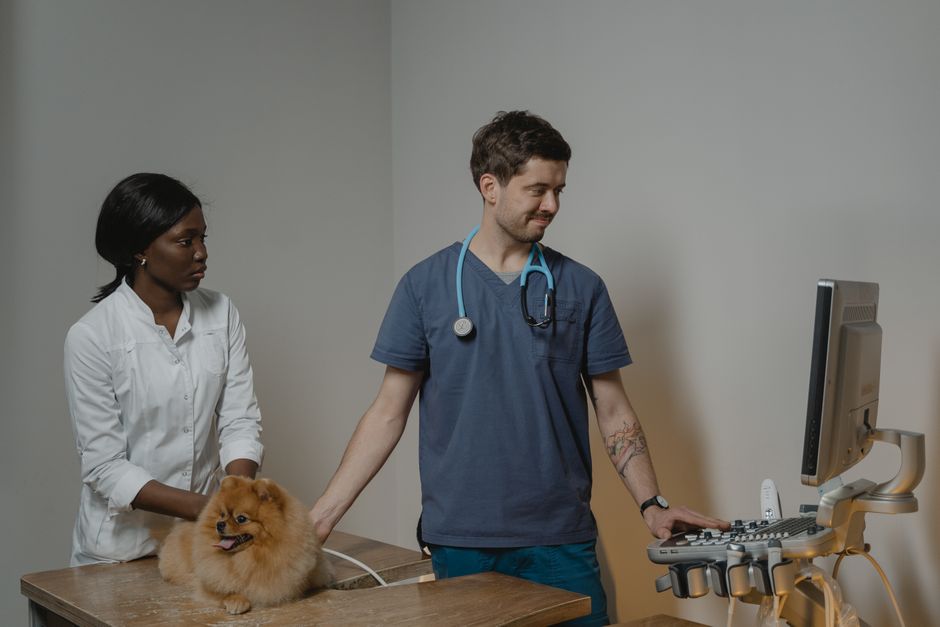
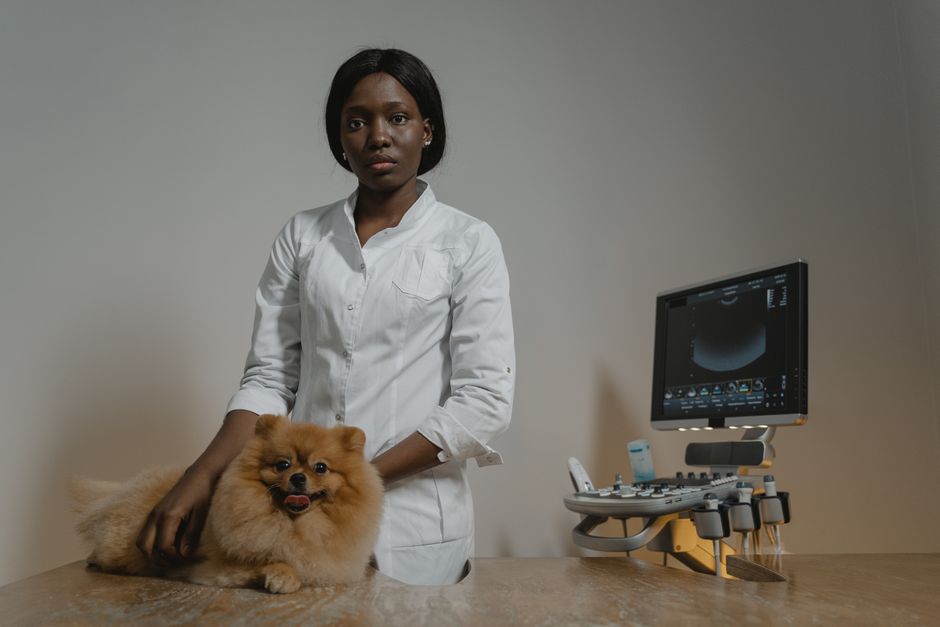
If your cat is referred for an echocardiogram, you may feel anxious about what the procedure involves. At 4 Paws Imaging, we strive to make the experience as stress-free as possible for both you and your feline companion. An echocardiogram is a non-invasive ultrasound examination of the heart that uses sound waves to create live, moving images. This allows our veterinary professionals to evaluate the size, shape, and function of your cat’s heart in real time. During the visit, your cat will be gently positioned on a padded table. Most cats do not require sedation, and the procedure is generally painless. A small area of fur may be shaved to allow better contact for the ultrasound probe, and ultrasound gel is applied to ensure clear images. The echocardiogram typically takes 30 to 60 minutes, with our team monitoring your cat’s comfort throughout.
For those who want to learn more about the technical aspects of this advanced heart scan, or what it can reveal about your cat's cardiac health, you can find additional details on our echocardiogram ultrasounds , comprehensive heart screenings for pets read by a Board Certified Cardiologist page. We also encourage you to complete the Echocardiogram Patient History Form before your appointment, as this helps our specialists understand your cat’s medical history and any symptoms you have observed at home.
How Results Are Used
Once the echocardiogram is complete, a board-certified veterinary cardiologist interprets the findings and provides a detailed report to your referring veterinarian. The results can show whether your cat has structural heart changes, abnormal blood flow patterns, or signs of heart failure. This information is critical for determining the right treatment course, whether that involves medication, further monitoring, or lifestyle adjustments.
Managing Feline Heart Disease After Diagnosis
If the cat echocardiogram reveals a heart condition, modern veterinary medicine offers several options for managing your cat’s health. Treatment approaches depend on the underlying diagnosis and the severity of the disease. Some cats with mild changes may not need medication right away and will simply require periodic monitoring with follow-up echocardiograms. Others may benefit from medications that help relax the heart muscle, control abnormal rhythms, or reduce fluid buildup. In select cases, your veterinarian may recommend additional diagnostics such as an electrocardiogram (ECG) or Holter monitor, both of which are also available at 4 Paws Imaging. Our team works closely with your primary veterinarian to ensure a seamless continuum of care, so you always know what to expect and how to support your cat’s health at home.
It is important to remember that many cats diagnosed with heart disease can continue to enjoy a good quality of life, especially when the condition is detected early and managed appropriately. Regular follow-up with your veterinary team is crucial, as heart conditions can change over time and may require adjustments to the treatment plan.
Supporting Your Cat’s Heart Health at Home
While some causes of heart disease in cats cannot be prevented, there are practical steps you can take at home to support your cat’s heart health. Routine veterinary checkups are essential, as these visits allow your veterinarian to detect early warning signs before symptoms become severe. Providing a well-balanced diet, maintaining a healthy weight, and minimizing stress in the household can also benefit your cat’s overall wellbeing. If your cat has already been diagnosed with a heart condition, administering medications as prescribed, monitoring for any changes in breathing or behavior, and keeping follow-up appointments for repeat echocardiograms or other recommended tests are important aspects of home care.
If you have more than one cat, keep an eye on subtle changes in each individual’s habits, as cats are experts at hiding illness. Early intervention is key, and your vigilance at home combined with the expertise of your veterinary team can make a significant difference.
When to Seek Specialty Imaging or Veterinary Care
Knowing when to seek a cat echocardiogram or specialty imaging can be challenging, especially since heart disease is often silent in the early stages. You should contact your veterinarian promptly if your cat shows signs such as rapid or labored breathing, unexplained lethargy, collapse, fainting, or sudden loss of appetite. If your veterinarian detects a heart murmur, irregular heartbeat, or other concerning findings during a physical exam, they may refer you to a specialty imaging center like 4 Paws Imaging for an advanced evaluation. Timely referral and diagnosis are vital, as early detection often leads to more effective management and a better long-term outlook for your cat.
If you have questions about whether your cat could benefit from an echocardiogram or would like to understand the process in more detail, our team is always here to support you. We are proud to serve Downers Grove and surrounding communities as a trusted local resource for specialty veterinary imaging.
Why Choose 4 Paws Imaging for Your Cat’s Echocardiogram in Downers Grove?
When it comes to your cat’s heart health, partnering with a skilled and compassionate specialty provider gives you peace of mind. At 4 Paws Imaging, our state-of-the-art technology and board-certified specialists ensure that every cat echocardiogram is performed to the highest standards. We collaborate closely with your referring veterinarian, providing detailed interpretations and personalized recommendations that support your cat’s unique needs. Our practice is dedicated exclusively to advanced diagnostic imaging, so you can be assured of our expertise in this specialized field. For pet owners searching for a specialty vet near me, our practice offers the local expertise and caring approach you want for your cat's most important health needs.
If your veterinarian has recommended a cat echocardiogram or you have concerns about your cat’s heart health, we invite you to reach out to our veterinary professionals at 4 Paws Imaging. To schedule an appointment or speak with a member of our team, call us at (630) 746-1382 or visit our Downers Grove location. Remember to complete the Echocardiogram Patient History Form before your visit to help us provide the most personalized care possible. Your cat’s heart deserves the very best—let us help you ensure a bright and healthy future.