Cat Ultrasound: What Downers Grove Pet Owners Should Know

Cat Ultrasound: What Downers Grove Pet Owners Should Know
Worrying about your cat’s health is something every dedicated pet owner experiences, especially when they notice changes that seem out of the ordinary. Whether your cat is suddenly less playful, has developed a persistent cough, or is experiencing unexplained weight loss, you want answers—and you want them quickly. At 4 Paws Imaging, located at 2581 Ogden Avenue, Downers Grove, IL 60515, we understand the deep concern you have for your feline companion. That’s why our advanced imaging services, including cat ultrasound, are designed to provide fast, accurate results in a comfortable setting for your pet.
In this blog, we’ll guide you through everything you need to know about cat ultrasound exams—from the signs that your cat might need imaging, to what the procedure involves, and why early detection is so important. You’ll learn how our state-of-the-art technology and experienced veterinary team can make a difference for your cat’s health, right here in Downers Grove and surrounding communities. If you’re considering a diagnostic ultrasound for your cat, or your regular veterinarian has referred you for specialized imaging, read on to find out what to expect and how we can help.
Recognizing When Your Cat Might Need an Ultrasound
Cats are experts at hiding discomfort, so it can be challenging to spot when something is wrong. Still, there are certain symptoms and changes in behavior that can indicate a problem requiring further investigation. Common signs that might prompt your veterinarian to recommend a cat ultrasound include persistent vomiting, diarrhea, or changes in appetite, as well as unexplained weight loss, abdominal swelling, or increased thirst. You may also notice your cat becoming lethargic, withdrawing from family interactions, or straining to urinate—each of these can signal underlying health issues.
Some cats develop symptoms that are more subtle, such as mild coughing, fainting episodes, or changes in breathing patterns. If your feline friend is pregnant, your veterinarian may recommend an ultrasound to monitor fetal development and maternal health. Additionally, certain breeds are predisposed to heart conditions that can be evaluated with specialized ultrasound techniques. If you observe any of these warning signs, it’s important to discuss them with your primary veterinarian, who may refer you to a specialty imaging center like 4 Paws Imaging for further assessment.
Understanding Why Ultrasounds Are Used in Feline Medicine
A cat ultrasound is an advanced, non-invasive imaging tool that allows veterinarians to visualize your cat’s internal organs in real time. Unlike traditional X-rays, which provide a static image, ultrasound uses sound waves to generate moving pictures of tissues, organs, and blood flow. This dynamic view helps our veterinary professionals detect abnormalities that might not be visible on other diagnostic tests.
Ultrasound can be used for a wide range of diagnostic purposes. For example, abdominal ultrasounds help identify masses, cysts, or inflammation in organs like the liver, spleen, kidneys, and intestines. Heart ultrasounds, or echocardiograms, are especially valuable for diagnosing and monitoring heart disease in cats, as they provide detailed information about heart structure and function. Thyroid ultrasounds are sometimes used to evaluate cats with suspected thyroid conditions, which are common in older felines. If your cat is pregnant, an ultrasound can confirm the pregnancy, estimate the number of kittens, and check for any complications. To learn more about abdominal ultrasound services for pets or specialized pregnancy ultrasound services, you can explore our dedicated resources.
What to Expect During a Cat Ultrasound Exam
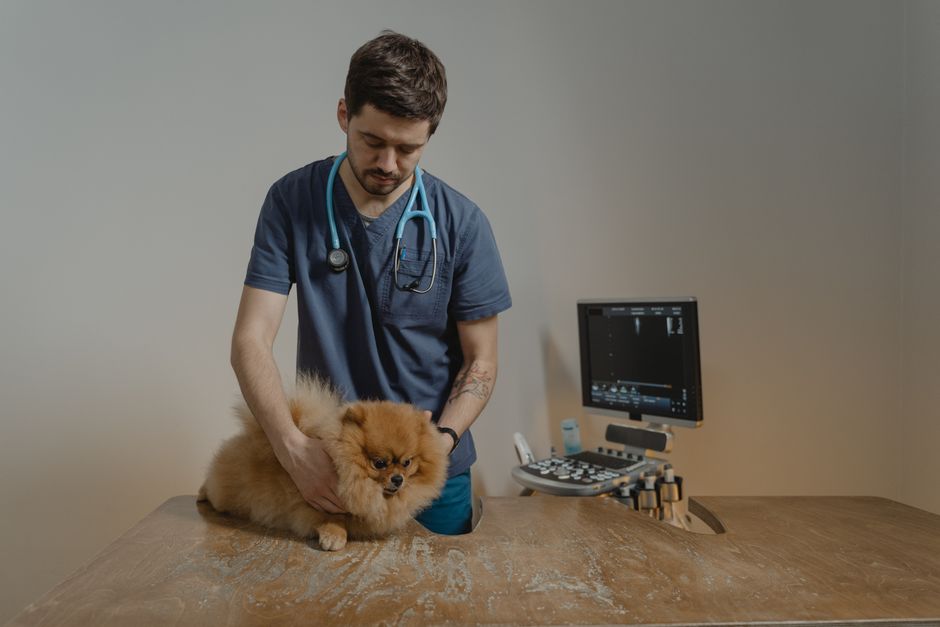
When your cat is scheduled for an ultrasound at 4 Paws Imaging, you can expect a gentle, pet-centered approach from our experienced veterinary team. Upon arrival, your cat will be welcomed into a calm environment designed to reduce stress. Most feline ultrasounds do not require sedation; however, if your cat is especially anxious or needs to remain completely still for a detailed study, light sedation may be recommended for their comfort.
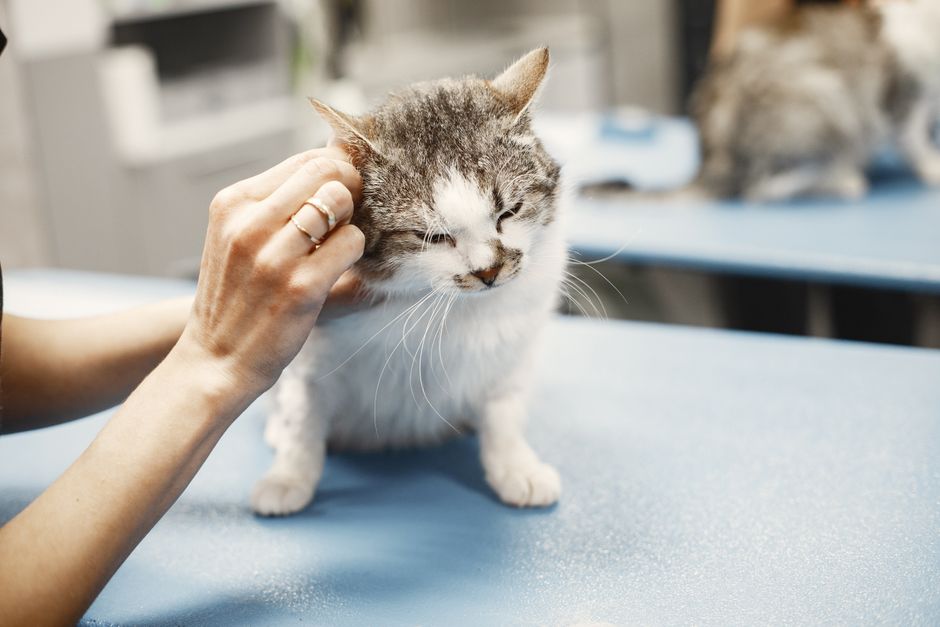
During the exam, your cat will be placed on a soft, padded surface, usually lying on their back or side depending on the area being scanned. A small section of fur is shaved to allow the ultrasound probe to make direct contact with the skin, as this ensures the clearest images. The probe sends harmless sound waves into the body, which bounce back and create a live image on the screen. The procedure is painless and typically takes between 20 and 45 minutes, depending on the complexity of the exam.
Our board-certified imaging specialists review the images in real time, looking for changes in organ size, shape, or texture, as well as signs of fluid accumulation, masses, or abnormal blood flow. Once the exam is complete, we collaborate with your referring veterinarian to interpret results and develop a treatment plan tailored to your cat’s unique needs.
The Importance of Early Detection and Specialized Imaging
Early detection is critical when it comes to managing feline health conditions, especially those that progress quietly or present with vague symptoms. Cat ultrasound exams provide veterinarians with the information they need to diagnose issues early, before they lead to more serious health complications. For example, identifying a small mass in the abdomen can make a significant difference in your cat’s prognosis, as it allows for prompt intervention and treatment. In cases of heart disease, an echocardiogram can reveal changes in heart function that may not yet be causing obvious symptoms, enabling proactive care that supports your cat’s long-term wellbeing.
Specialized imaging also plays a key role in monitoring chronic conditions and evaluating the effectiveness of ongoing treatments. If your cat has been diagnosed with a thyroid disorder or heart problem, regular ultrasounds can help track disease progression and guide adjustments to their medical plan. The expertise and advanced technology available at a specialty imaging center like 4 Paws Imaging can make all the difference in delivering accurate, timely answers for your cat.
Prevention and Supportive Care at Home
While imaging itself is a diagnostic tool rather than a preventive measure, there are steps you can take at home to support your cat’s health and reduce the risk of serious disease. Routine veterinary check-ups are essential, as they allow your veterinarian to detect subtle changes before they become major concerns. Providing a balanced diet, maintaining a healthy weight, and encouraging regular activity all contribute to your cat’s overall wellbeing. Keep a close eye on your cat’s behavior and physical condition, noting any changes in appetite, litter box habits, or activity levels. Promptly reporting these changes to your veterinarian can help ensure that, if imaging is needed, it is performed at the earliest possible stage.
If your cat is part of a breed known for specific health risks, or if they are advancing in age, you may want to discuss the value of routine imaging surveillance with your primary care veterinarian. Some conditions, such as heart disease or thyroid abnormalities, are more common in older cats and can benefit from proactive screening. Our team is always available to answer questions about the role of imaging in feline preventive care.
When to Seek Specialized Veterinary Imaging
Knowing when to seek advanced diagnostic imaging can be challenging, especially when symptoms are mild or intermittent. In general, you should consult your veterinarian if your cat experiences persistent vomiting or diarrhea, sudden weight loss, unexplained swelling, trouble breathing, fainting, or dramatic changes in behavior. If your primary veterinarian suspects an internal issue or wants to confirm a diagnosis, they may refer you to a specialty center like 4 Paws Imaging for a cat ultrasound.
It’s also important to seek imaging if your cat has been diagnosed with a chronic condition that requires ongoing monitoring, such as heart disease or hyperthyroidism. For cats who are pregnant, an ultrasound may be recommended to monitor the health of both the mother and her kittens. If you’re ever unsure whether specialized imaging is needed, our veterinary professionals are here to guide you through the process and collaborate with your primary veterinarian for the best possible care.
For more information about our full range of diagnostic tools, you can explore all veterinary imaging services available at 4 Paws Imaging Centers.
Cat Ultrasound in Downers Grove: Your Partner in Feline Health
When it comes to your cat’s health, early answers and accurate diagnoses are essential for peace of mind and effective treatment. At 4 Paws Imaging, our team of veterinary professionals is dedicated to providing the highest standard of imaging care, using state-of-the-art technology to support your primary veterinarian’s recommendations. Whether your cat needs an abdominal scan, a cardiac evaluation, or pregnancy monitoring, you can trust our experienced team to deliver compassionate, expert care in a comfortable environment.
If you are searching for a specialty vet near me or need a cat ultrasound in Downers Grove, we are here to help. Our convenient location at 2581 Ogden Avenue, Downers Grove, IL 60515 makes us easily accessible for pet owners throughout Downers Grove and surrounding communities. If you have questions about the cat ultrasound process or would like to learn more, please reach out to our veterinary professionals at (630) 746-1382. Working together with your referring veterinarian, we will ensure your cat receives the thorough, compassionate care they deserve.
For more details on our imaging capabilities, visit explore all veterinary imaging services available at 4 Paws Imaging Centers. Your cat’s health and comfort are our top priorities—let us help you find the answers you need, when you need them most.