Cold Weather Risks: When November Calls for Pet Imaging

Cold Weather Risks: When November Calls for Pet Imaging
As November settles into Downers Grove and the surrounding communities, the drop in temperature and increase in damp, chilly weather can bring more than just a change in your pet’s mood. For many dogs and cats, the arrival of cold, wet days may worsen hidden joint or respiratory issues, leaving pet owners wondering when more advanced diagnostics like X-rays or ultrasounds are truly necessary. At 4 Paws Imaging, located at 2581 Ogden Avenue, Downers Grove, IL 60515, our veterinary professionals understand how subtle seasonal changes can impact your companion’s comfort. This blog will help you recognize the warning signs that cold weather may be affecting your pet’s health, explain why these problems often become more pronounced in November, and outline how advanced seasonal pet health imaging in Downers Grove can provide the clarity you need for timely intervention. We will also discuss what to expect from specialized diagnostics, steps you can take at home, and how to know when it is time to seek expert help from a diagnostic imaging vet near me. If you are unsure about your pet’s sudden limping, coughing, or reluctance to play, our team is here to help you make the right decision for your pet’s health and comfort this autumn.
Recognizing Signs: How to Know If Your Pet Needs Seasonal Imaging
Not all aches, coughs, or changes in energy are just signs of getting older—especially as the weather shifts. As temperatures drop in Downers Grove, pets may experience increased stiffness, difficulty getting up, or even sudden lameness that was less noticeable during warmer months. Signs that may point to joint pain in pets during cold weather include slower movement after naps, a reluctance to climb stairs or jump onto furniture, and changes in gait such as limping or favoring one leg. Additionally, breathing difficulties can become more apparent as chilly, damp air irritates sensitive airways; you might notice more frequent coughing, labored breathing, or wheezing.
Other subtle symptoms to watch for are changes in appetite, decreased interest in walks or playtime, and visible discomfort when touched on the legs, back, or chest. Some pets simply appear more withdrawn or irritable, which can be a sign of underlying pain or discomfort. In the case of respiratory concerns, pets may tire easily, seem restless at night, or develop a persistent cough that does not resolve with rest. If you notice any of these patterns, especially if symptoms seem to worsen as November’s chill sets in, it may be time to consider advanced veterinary diagnostics in Downers Grove.
Why Cold Weather Makes Joint and Respiratory Problems Worse
As the autumn weather grows colder, joints and airways in both dogs and cats can become more sensitive. The science behind increased joint pain in pets during cold weather is related to changes in atmospheric pressure, which can lead to swelling in already inflamed joints and increased stiffness in pets with arthritis or past injuries. Moisture in the air can also make these symptoms more noticeable, especially in older pets or those with known orthopedic issues.
Respiratory problems also tend to flare up as pets breathe in colder air. Dampness and sudden temperature fluctuations can irritate airways, leading to an uptick in coughing, sneezing, or wheezing, particularly in pets with chronic conditions like asthma or bronchitis. For some breeds prone to respiratory issues—such as brachycephalic dogs or cats—these seasonal changes can be especially challenging.
It is important to remember that Downers Grove and surrounding communities often experience a unique blend of humidity and cold during November, which can create a perfect storm for hidden health issues to surface. This is why pet diagnostics in Downers Grove can be essential for identifying the root cause of your pet’s discomfort, rather than attributing symptoms solely to age or weather.
Advanced Imaging: The Role of Diagnostic Testing in Seasonal Pet Health
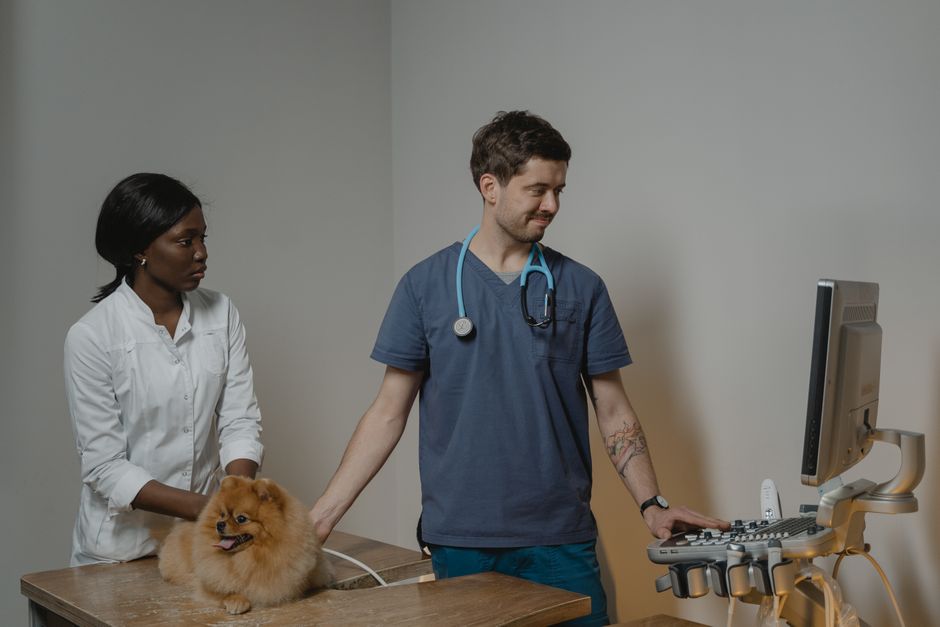
When simple observation and routine exams are not enough, advanced imaging becomes a crucial next step in understanding your pet’s health. At 4 Paws Imaging, our veterinary team uses state-of-the-art technology to pinpoint the source of joint and respiratory problems, providing pet owners with the answers they need to make informed decisions.
Diagnostic imaging options include X-rays for evaluating bones and joints, ultrasounds for assessing soft tissues, and CT scans for more detailed images of internal structures. For example, if your pet is struggling with mobility, an X-ray can reveal signs of arthritis or injury that might not be visible during a physical exam. If your cat or dog has a persistent cough or labored breathing, a chest X-ray or ultrasound can help identify issues such as fluid in the lungs, heart enlargement, or masses that may require further attention.
Our abdominal ultrasound services can also be helpful if your pet is experiencing unexplained abdominal pain or changes in appetite, which sometimes accompany seasonal flare-ups of chronic conditions. For pets with suspected heart problems, our team may recommend a comprehensive echocardiogram to assess heart function, especially when cold weather appears to worsen symptoms.
The advantage of working with a diagnostic imaging veterinarian near me is the ability to provide rapid, accurate answers without unnecessary discomfort for your pet. Our experienced veterinary professionals work closely with your family veterinarian to interpret results and develop an appropriate treatment plan.
Managing Joint and Respiratory Issues: What Pet Owners Can Expect
When imaging results confirm a diagnosis, your veterinarian can develop a tailored management strategy for your pet. For joint pain in pets during cold weather, treatment options often involve a combination of pain management, anti-inflammatory medications, and sometimes physical therapy. Your veterinarian may also recommend changes to your pet’s activity routine, such as shorter, more frequent walks on cold days, or soft bedding to cushion aching joints.
In cases where respiratory problems are identified, treatment may include medications to reduce airway inflammation, management of environmental triggers, and close monitoring for any signs of worsening distress. For pets with serious cardiac or respiratory conditions, advanced diagnostics like an electrocardiogram or Holter monitor may be used to track heart rhythms over time and guide therapy.
Throughout the process, our diagnostic imaging specialists in Downers Grove collaborate with your regular veterinarian to ensure seamless care. This approach ensures that your pet receives the most accurate diagnosis and the best possible treatment plan, tailored to their unique needs and lifestyle.
At-Home Care and Prevention Tips for November
While advanced imaging is sometimes necessary, there are steps you can take at home to help your pet stay comfortable during the colder months. Keeping your home warm and draft-free, providing orthopedic bedding, and maintaining a consistent exercise routine can all help minimize joint stiffness. For pets prone to respiratory issues, using a humidifier and minimizing exposure to cold, damp outdoor air may reduce coughing and breathing difficulties.
Regular monitoring is key; notice how your pet moves, breathes, and behaves after coming inside on a chilly day. If you observe any changes, keeping a log of symptoms can be helpful when discussing your concerns with your veterinarian or imaging specialist. In some cases, early intervention can prevent minor discomfort from becoming a more serious problem as winter progresses.
When to Seek Imaging: Knowing the Right Time for Professional Help
It is not always easy to decide when a limp or cough warrants advanced diagnostics, but there are certain situations where prompt attention from a specialist vet near me is crucial. If your pet’s symptoms persist for more than a few days, worsen rapidly, or interfere with their ability to eat, breathe, or move comfortably, it is time to consult with your family veterinarian about a referral to a diagnostic imaging veterinarian near me.
Other red flags include sudden or severe lameness, repeated episodes of coughing or wheezing that are not responding to standard care, and unexplained weight loss. If your pet experiences collapse, difficulty breathing, or unrelenting pain, seek immediate veterinary attention. Our team at 4 Paws Imaging is equipped to provide rapid, advanced seasonal pet health imaging in Downers Grove, ensuring that your pet receives the specialized care they need when it matters most.
Conclusion: Turn to 4 Paws Imaging for Expert Seasonal Pet Health Imaging in Downers Grove
As November’s cold, damp weather brings new health challenges for local pets, timely and accurate diagnosis becomes more important than ever. By recognizing the signs of joint pain or respiratory distress and understanding how seasonal changes can impact your companion, you can make informed decisions about when to pursue advanced diagnostics. At 4 Paws Imaging, our veterinary imaging professionals are dedicated to providing compassionate, expert care—from abdominal ultrasound services to echocardiogram evaluations—that helps your pet stay comfortable all autumn long. If you are searching for a specialist vet near me or need advice about seasonal pet health imaging in Downers Grove, reach out to our experienced veterinary team for guidance.
We are committed to working closely with your primary care veterinarian and supporting you every step of the way. For questions, appointments, or referral information, call us at (630) 746-1382 or visit our location. Explore our full range of veterinary imaging and diagnostic services to see how we can help your pet thrive, no matter the season. Your pet’s comfort, health, and happiness are always our highest priorities.
This blog is for informational purposes only and is not a substitute for professional veterinary advice. If you have concerns about your pet’s health, please consult your veterinarian or a veterinary imaging specialist.