Dog Echocardiogram: What to Expect and When It’s Needed

Dog Echocardiogram: What to Expect and When It’s Needed
If your veterinarian has recently recommended a dog echocardiogram, it’s completely natural to feel a mix of concern and curiosity about what this means for your pet’s health. At 4 Paws Imaging, located at 2581 Ogden Avenue, Downers Grove, IL 60515, our veterinary professionals understand how important it is for pet owners to feel informed and reassured every step of the way. An echocardiogram, or cardiac ultrasound, is one of the most advanced and non-invasive ways to evaluate your dog’s heart and help your veterinarian make tailored treatment recommendations. In this blog, we’ll walk you through everything you need to know about a dog echocardiogram, including what to expect during the procedure, signs that may signal your dog needs one, the underlying causes for heart issues, and how our experienced team delivers compassionate, precise diagnostics. If you’re searching for a specialty imaging provider in Downers Grove and surrounding communities, our dedicated team is here to support your pet’s cardiac health with expertise and care. For pet owners who want even more detail about the process, you can explore our comprehensive echocardiogram ultrasound services.
Recognizing When a Dog Echocardiogram Is Needed
Understanding the reasons a dog echocardiogram might be recommended can help you feel prepared and proactive about your pet’s health. Your primary veterinarian may notice subtle changes during routine physical exams or hear a heart murmur that warrants further investigation. Common signs that prompt a referral to a specialty imaging provider like 4 Paws Imaging include persistent coughing, difficulty breathing, decreased energy during walks or play, fainting episodes, or an unusual heart rhythm detected with a stethoscope. Sometimes, dogs with advanced age or certain breeds prone to cardiac issues may be referred for early screening, even before symptoms develop. If you notice your dog becoming less active, tiring more easily, or showing any signs of respiratory distress, it’s essential to discuss these changes with your veterinarian right away. In some cases, a dog echocardiogram becomes a crucial step in uncovering the root cause of these symptoms and guiding treatment.
Why Heart Disease Develops in Dogs
Heart disease in dogs can have a variety of causes, and understanding these underlying factors can help pet owners appreciate the importance of advanced diagnostics. Congenital heart defects, which are present from birth, may go unnoticed until later in life when symptoms develop gradually. Acquired heart conditions, such as degenerative valve disease or dilated cardiomyopathy, are more common in older dogs and certain breeds. Factors like genetics, age, underlying health conditions, and even chronic dental disease can contribute to the development of cardiac issues. For example, small breed dogs are often affected by mitral valve disease, while larger breeds may be at higher risk for heart muscle disorders. Sometimes, infections or hormonal imbalances can also play a role. Because heart disease can progress silently, a dog echocardiogram offers a window into the heart’s structure and function, allowing our veterinary professionals to detect changes before they become life-threatening.
How Dog Echocardiograms Help with Diagnosis
A dog echocardiogram uses high-frequency sound waves to create detailed images of your pet’s heart in real time. This allows our team to evaluate heart chamber size, wall thickness, valve function, and blood flow patterns without any discomfort to your dog. Unlike standard X-rays, an echocardiogram offers a dynamic, moving picture of how the heart is working, which is invaluable for diagnosing specific types of heart disease. By collaborating closely with your primary veterinarian, our specialty team can clarify the type and severity of heart issues, which is essential for making the best treatment decisions.
What to Expect During a Dog Echocardiogram in Downers Grove
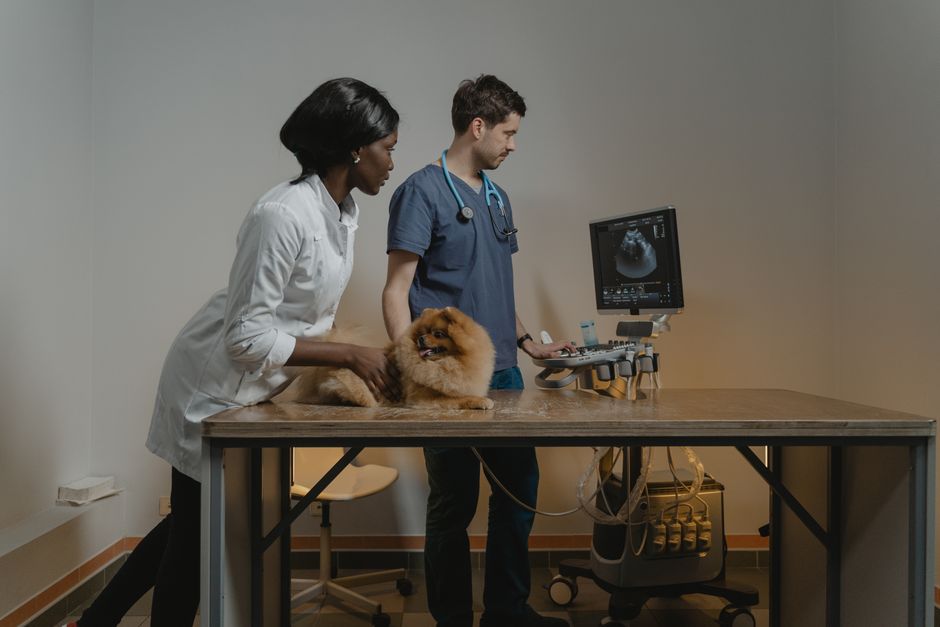
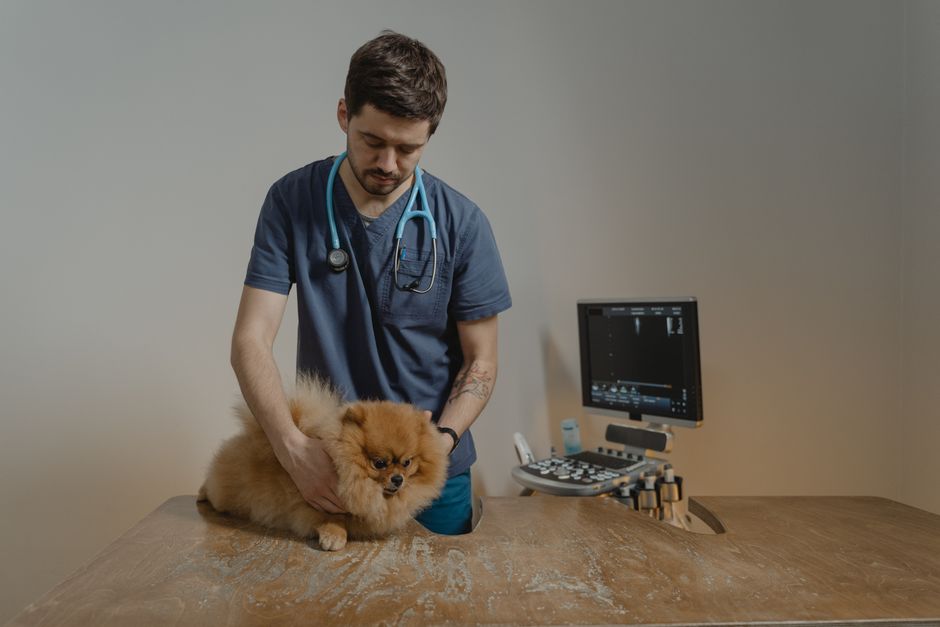
When your dog is referred to 4 Paws Imaging for a dog echocardiogram, you can expect a process that is both thorough and gentle. Our imaging suite is designed to minimize stress, and our veterinary professionals are trained in advanced handling techniques that keep pets comfortable throughout the procedure. Most echocardiogram appointments last between 30 to 60 minutes, and sedation is rarely needed unless your dog is extremely anxious or unable to remain still.
During the exam, your dog will be positioned on a padded table in a quiet room. A small area of fur may be shaved to allow optimal contact with the ultrasound probe, and a cool gel is applied to improve image quality. The veterinary cardiologist or ultrasonographer moves the probe across your dog’s chest to capture various angles and views of the heart. Throughout the process, we speak calmly and offer gentle reassurance, making the experience as positive as possible for both you and your dog.
After the images are captured, our team carefully reviews the results, often consulting with your referring veterinarian to ensure seamless communication. If you’d like to know more about the specifics, including how the images are interpreted and the expertise involved, you can visit our echocardiogram services page.
Preparing for Your Dog’s Echocardiogram
Ahead of the procedure, your primary veterinarian or our scheduling coordinator will provide instructions. These may include recommendations on fasting or medication adjustments, especially if your dog is already on heart medication. It’s helpful to bring a list of all medications and supplements your dog is currently taking. For those looking to streamline their visit, our Echocardiogram Patient History Form can be completed in advance to ensure we have all the necessary background information.
The Role of Veterinary Imaging in Heart Disease Management
Once a dog echocardiogram is performed, the results play a pivotal role in guiding your dog’s cardiac care. The findings may confirm mild, early-stage changes that require only periodic monitoring, or they may reveal more advanced disease that benefits from immediate intervention. Common treatment approaches involve medications to support heart function, recommendations for specific dietary adjustments, and ongoing monitoring with follow-up imaging. In some cases, additional tests such as electrocardiograms or chest X-rays may be suggested to provide a comprehensive view of your dog’s heart health.
Our specialty imaging services at 4 Paws Imaging focus solely on diagnostics, meaning we work closely with your primary veterinarian to ensure you receive expert guidance and support at every stage. The collaboration between your family veterinarian and our imaging specialists ensures your dog receives the most accurate diagnosis and the best possible care plan for their unique needs. For a full overview of our diagnostic services, including other advanced imaging modalities, we invite you to explore our diagnostic imaging services.
Monitoring and Ongoing Care
After an initial diagnosis, many dogs with heart disease can continue to live happy, active lives with the right management. Your veterinarian may recommend regular follow-up echocardiograms to track changes over time and adjust treatment as needed. Compliance with medication instructions, routine checkups, and careful observation for any changes in your dog’s symptoms are all essential parts of ongoing care.
Supporting Your Dog’s Heart Health at Home
While some factors influencing heart disease are genetic and cannot be prevented, there are proactive steps you can take to support your dog’s heart health. Keeping your dog at a healthy weight reduces strain on the heart, so regular exercise and an appropriate diet are key. Preventing dental disease, providing routine veterinary exams, and monitoring for any coughing, breathing changes, or reduced stamina are also important. If your primary veterinarian has identified your dog as being at risk for heart disease, following their recommendations for early screening with specialty imaging can make a significant difference in outcomes.
For dogs already receiving treatment for heart conditions, administering medications exactly as prescribed, limiting excessive excitement or strenuous activity as instructed, and keeping track of any new or worsening symptoms will help your veterinarian provide the best care. Staying attuned to your dog’s normal behavior and promptly reporting concerns ensures changes are addressed early.
When to Seek Specialty Veterinary Cardiac Care
Knowing when to seek advanced cardiac diagnostics is vital for your dog’s wellbeing. If your veterinarian detects a heart murmur, abnormal heart rhythm, or if your dog experiences symptoms such as labored breathing, fainting, persistent coughing, or sudden lethargy, a referral for a dog echocardiogram should not be delayed. Prompt imaging can reveal critical information that shapes your dog’s treatment plan and helps prevent serious complications.
In urgent situations, such as collapse or severe respiratory distress, immediate veterinary attention is required. While 4 Paws Imaging functions as a specialty referral provider and not an emergency hospital, our veterinary professionals prioritize timely scheduling and rapid communication with your referring veterinarian to ensure your dog receives the care they need as quickly as possible.
For pet owners in Downers Grove and surrounding areas searching for a "cardiology vet near me," it’s important to choose an imaging provider with advanced equipment, compassionate handling, and a collaborative approach—qualities you’ll find at 4 Paws Imaging.
Compassionate Cardiac Imaging for Your Dog in Downers Grove
A dog echocardiogram is a powerful tool for understanding your pet’s heart health and ensuring they receive the best possible care. At 4 Paws Imaging, our team of veterinary professionals is dedicated to providing clear answers, gentle handling, and seamless coordination with your primary veterinarian. Whether your dog needs an initial screening or ongoing monitoring, our advanced imaging suite at 2581 Ogden Avenue, Downers Grove, IL 60515 is equipped to deliver the highest standard of diagnostic excellence.
If you have questions about your dog’s heart or have been referred for a dog echocardiogram, please contact our experienced veterinary team at (630) 746-1382 or explore our echocardiogram ultrasound services for additional information. Our goal is to help you feel confident and supported as you navigate your dog’s heart health journey. When you need a specialty cardiology vet near me, know that 4 Paws Imaging is here to provide the expertise, compassion, and clarity you and your pet deserve.
This article is intended for educational purposes only and does not replace individualized medical advice. Always consult your veterinarian regarding any concerns or before making decisions about your pet’s health.