How a Canine Ultrasound Near Me Reveals Hidden Health Issues

How a Canine Ultrasound Near Me Reveals Hidden Health Issues
When your dog isn’t feeling well, it can be both worrying and frustrating not to know what’s wrong. Maybe your beloved companion is eating less, seems uncomfortable, or simply isn’t acting like themselves. For pet owners in Chicago and surrounding communities, finding answers quickly is important for your peace of mind and your dog’s health. This is where searching for a reliable canine ultrasound near me can make all the difference. At 4 Paws Imaging, located at 116 W Grand Avenue, Chicago, IL 60654, our advanced imaging services help uncover the root of hidden health problems, providing your veterinarian with the insights needed for accurate diagnosis and timely treatment.
In this blog, we’ll walk you through how canine ultrasound technology works, what symptoms might prompt your veterinarian to refer your dog for imaging, and what to expect from the process. We’ll also explore some of the most common conditions that can be identified through ultrasound and explain how early detection can improve outcomes for your pet. Whether you’re in River North, West Loop, Gold Coast, or anywhere in Chicago, our veterinary imaging team is dedicated to supporting your dog’s wellbeing with compassionate, expert care.
Recognizing When Your Dog May Need a Canine Ultrasound Near Me
It’s not always easy to tell when your dog is dealing with a health issue beneath the surface. Some conditions develop gradually, while others can appear suddenly and without obvious warning signs. The decision to seek a canine ultrasound near me often starts with noticing subtle changes in your dog’s behavior or physical condition. Common symptoms that might prompt your veterinarian to recommend an ultrasound include persistent vomiting or diarrhea, unexplained weight loss, changes in appetite, increased drinking or urination, or visible abdominal swelling. You might also notice your dog becoming lethargic, displaying signs of pain when touched around the belly, or experiencing difficulty breathing.
In some cases, a routine wellness exam or lab work may reveal abnormalities that cannot be fully explained without advanced imaging. For example, your veterinarian may feel a mass during a physical exam, note organ enlargement, or detect changes in bloodwork results. When these situations arise, a referral to a specialty imaging center like 4 Paws Imaging ensures your pet receives the most accurate and thorough evaluation possible.
Why Hidden Health Issues Develop: Understanding the Causes
Dogs are masters at hiding discomfort, which is why certain health problems can progress unnoticed until they become more serious. Many of the conditions that require ultrasound imaging involve internal organs such as the liver, kidneys, spleen, bladder, or heart. Issues like tumors, cysts, or structural abnormalities can develop silently and may only cause mild symptoms at first. Inflammatory illnesses, infections, and chronic conditions such as kidney or liver disease can also impact organ function over time.
Some breeds are predisposed to specific health concerns. For example, large-breed dogs can be more prone to splenic or liver masses, while smaller breeds may be at higher risk for bladder stones or certain heart conditions. Additionally, dogs of any age may develop health problems due to age-related changes, ingestion of toxins, or underlying genetic factors. Pregnancy is another reason your veterinarian might suggest imaging, as monitoring fetal development with a pregnancy ultrasound is essential for the health of both the mother and her puppies.
How a Canine Ultrasound Works: What to Expect During the Imaging Process
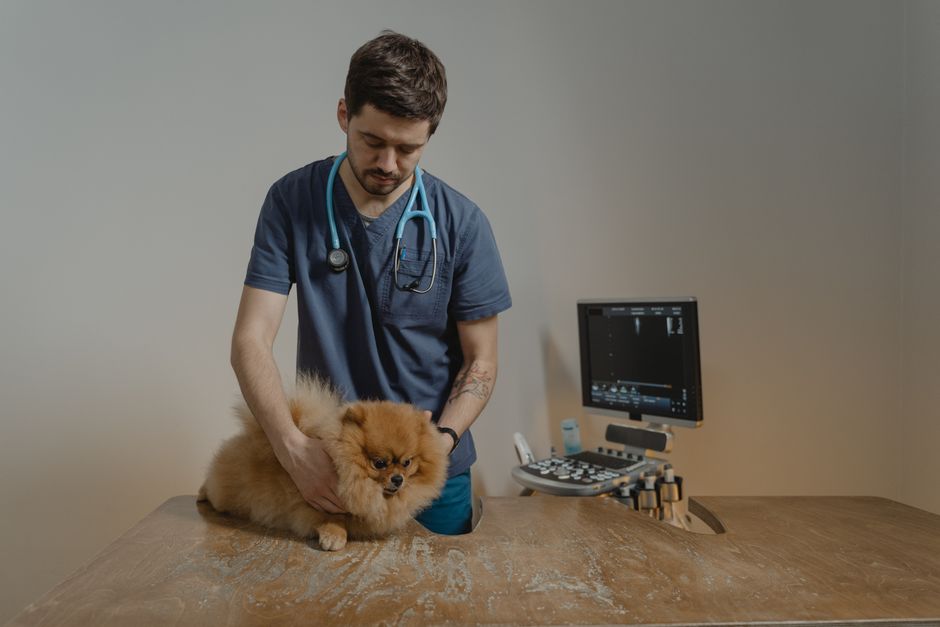
A canine ultrasound is a safe, non-invasive procedure that uses sound waves to create detailed images of your dog’s internal organs and tissues. At 4 Paws Imaging, our veterinary imaging professionals use state-of-the-art ultrasound technology to provide a clear view of areas that cannot be evaluated through physical exams or standard X-rays. The process typically begins with your dog gently positioned on a padded table, and a small area of fur may be shaved to allow for optimal contact with the ultrasound probe.
Most dogs tolerate the procedure very well, often requiring only mild restraint and plenty of gentle reassurance from our team. In some cases, light sedation may be recommended for particularly anxious pets or when very still images are required. The entire appointment usually lasts 30 to 60 minutes, depending on the area being examined and the complexity of the case.
Our veterinary imaging specialists will carefully review each image in real time, looking for any signs of abnormality. The results are shared promptly with your primary veterinarian, who will discuss the findings and next steps with you. If a heart issue is suspected, your pet may benefit from an echocardiogram, which provides a comprehensive assessment of cardiac structure and function.
Conditions Detected by Canine Ultrasound: Hidden Problems Revealed
Ultrasound technology allows us to visualize many different internal health issues that might otherwise go undetected. Some of the most common conditions identified through canine ultrasound include abdominal masses, tumors, cysts, or organ enlargement. Ultrasound can also help detect liver or kidney disease, gallbladder or bile duct obstruction, and bladder stones. For dogs with chronic vomiting or diarrhea, imaging can reveal inflammatory bowel disease, gastrointestinal foreign bodies, or other digestive tract issues.
Cardiac ultrasound, also known as an echocardiogram, is invaluable for diagnosing heart disease, valve abnormalities, and congenital defects. In cases where abnormal thyroid function is suspected, a thyroid ultrasound may be performed to assess for nodules or enlargement. For breeding dogs, pregnancy ultrasound provides essential information about fetal viability and litter size. If your veterinarian is concerned about ongoing internal issues, an abdominal ultrasound can offer a thorough, non-invasive evaluation of the abdominal cavity and its organs.
What Happens After the Ultrasound: Treatment and Next Steps
Once the ultrasound images are obtained and interpreted, your primary veterinarian will use this information to guide your dog’s treatment plan. Depending on the findings, recommendations may include medical management with medications, further diagnostic testing, or, in some cases, surgical intervention. For example, a mass identified within the abdomen may require surgical removal and biopsy, while inflammatory conditions might be managed with diet changes, supportive care, or specific medications.
In heart disease cases, results from an echocardiogram can help tailor therapy to your dog’s unique needs, potentially including medications to manage heart function or control abnormal rhythms. If a thyroid abnormality is found, your veterinarian may suggest additional diagnostics or medical management. The goal of advanced imaging at 4 Paws Imaging is to ensure that your pet receives the most accurate diagnosis possible, allowing for prompt and effective treatment tailored to their individual condition.
Prevention and Home Care: Supporting Your Dog’s Health Between Visits
While not all health conditions can be prevented, there are important steps you can take at home to support your dog’s wellbeing and reduce the risk of hidden health problems. Regular wellness exams with your primary veterinarian provide the foundation for early detection, as subtle changes in behavior or physical condition are often first noticed by those who know your pet best. Maintaining a healthy diet, providing appropriate exercise, and monitoring for any changes in appetite, weight, or bathroom habits are all important.
Stay alert for signs such as persistent vomiting, diarrhea, or changes in urination, and promptly report these to your veterinarian. If your pet has a known health issue or breed predisposition, your veterinarian may recommend periodic ultrasounds or other diagnostic tests to monitor for changes. For dogs with heart or thyroid concerns, ongoing monitoring with advanced technology such as electrocardiogram (ECG) services or Holter monitors can catch subtle changes before they become serious.
When to Seek Veterinary Imaging: Knowing When It’s Time
If you suspect your dog is experiencing symptoms that could indicate an internal health problem, it’s always best to consult your primary veterinarian as soon as possible. Warning signs that should prompt immediate attention include sudden onset of severe pain, difficulty breathing, collapse, or signs of distress. When your veterinarian recommends advanced imaging, timely referral to a specialty center like 4 Paws Imaging ensures your dog has access to the highest level of diagnostic care.
Our team of veterinary imaging professionals partners closely with your primary veterinarian to provide comprehensive evaluations and support your pet’s ongoing health. Remember, early detection and intervention often lead to better outcomes and improved quality of life. If you’re searching for a specialty vet near me to help uncover the cause of your dog’s symptoms, our skilled team in Chicago is here to help you every step of the way.
Get Answers for Your Pet: Contact 4 Paws Imaging for Canine Ultrasound in Chicago
Your dog depends on you to be their advocate, and choosing advanced imaging is a powerful step in uncovering hidden health issues and guiding the best possible care. At 4 Paws Imaging, our state-of-the-art technology and experienced veterinary imaging team are proud to serve Chicago and surrounding communities from our convenient location at 116 W Grand Avenue, Chicago, IL 60654. If your veterinarian has recommended a canine ultrasound near me, or if you have questions about our services, we welcome you to reach out for more information or to schedule a referral.
To learn more about the full range of veterinary imaging services we offer, including abdominal ultrasounds, echocardiogram ultrasounds, and thyroid ultrasound evaluations, explore our website or call us directly at (630) 746-1382. When searching for a specialty vet near me, trust the expertise and compassion of the veterinary professionals at 4 Paws Imaging to provide clear answers and caring support for your pet’s health journey. Your dog deserves the best in veterinary imaging, and our team is honored to be part of their care.
This blog is intended for informational purposes only and does not replace professional veterinary advice. Always consult your primary veterinarian regarding your pet’s specific health needs and before making decisions about diagnostic testing or treatment.