How Echocardiograms Help Detect Dog Heart Issues Early

How Echocardiograms Help Detect Dog Heart Issues Early
Is your dog acting more tired than usual, coughing, or showing signs that have you worried about their heart health? Heart problems in dogs can be subtle at first, but early detection is key to ensuring the best possible outcome for your beloved companion. At 4 Paws Imaging, located at 116 W Grand Avenue, Chicago, IL 60654, our team of veterinary imaging specialists provides advanced diagnostic services specifically designed to support your primary veterinarian in identifying and understanding heart conditions in pets.
This blog will help you understand how echocardiograms are used in dogs, what to expect during the procedure, and why early imaging can dramatically impact your dog’s cardiac health. We will cover the most common signs that may indicate a heart issue, explore what causes these conditions, explain how echocardiograms work, and discuss what happens after the scan. Our goal is to empower you with knowledge so you can make informed decisions about your dog’s care and know when to seek advanced diagnostic support.
Recognizing the Signs of Heart Issues in Dogs
Heart disease in dogs is more common than many pet owners realize. The early signs can be easy to overlook, especially since dogs are experts at hiding discomfort. Recognizing subtle changes in your dog’s behavior or health is the first step toward helping your veterinarian catch potential problems before they become more serious.
Common warning signs of heart issues in dogs include persistent coughing that is not related to a respiratory infection, reduced tolerance for exercise or play, noticeable fatigue after mild activity, difficulty breathing, or rapid breathing even at rest. Some dogs may also exhibit fainting episodes or collapse, especially during excitement or exertion. Swollen abdomen, loss of appetite, and unexplained weight loss can also be clues that something is wrong with your dog’s heart or circulation.
In addition to these symptoms, you might notice that your dog’s gums are pale or bluish, which can indicate poor oxygen delivery due to heart problems. If you observe any of these changes, it is essential to schedule an evaluation with your primary veterinarian. They may recommend a referral to an imaging specialty practice like 4 Paws Imaging for further diagnostics such as an echocardiogram.
Understanding the Causes of Canine Heart Disease
Heart disease in dogs can be caused by a variety of underlying conditions, and the risk increases with age. One of the most common forms is degenerative valve disease, particularly in smaller breeds and older dogs. Larger breeds are more prone to heart muscle disorders such as dilated cardiomyopathy, which affects the heart’s ability to pump effectively.
Other potential causes include congenital heart defects, which are present from birth, as well as heartworm disease, which is preventable through routine veterinary care but can cause significant cardiac damage if untreated. Arrhythmias, or irregular heartbeats, may also develop due to electrical disturbances within the heart, sometimes detected only through specialized testing. Certain breeds have a genetic predisposition to specific heart conditions, making routine monitoring even more important.
Understanding these causes is essential because early heart disease often does not cause obvious symptoms until the condition has progressed. This is why advanced imaging, such as echocardiograms, plays a critical role in detecting heart problems at their earliest, most treatable stage.
The Power of Echocardiograms in Early Detection
Echocardiograms are specialized ultrasound scans that provide detailed images of your dog’s heart in real time. Unlike a standard X-ray, which shows only the outline of the heart and lungs, an echocardiogram allows veterinary imaging professionals to assess the structure, movement, and function of the heart’s chambers, valves, and blood flow.
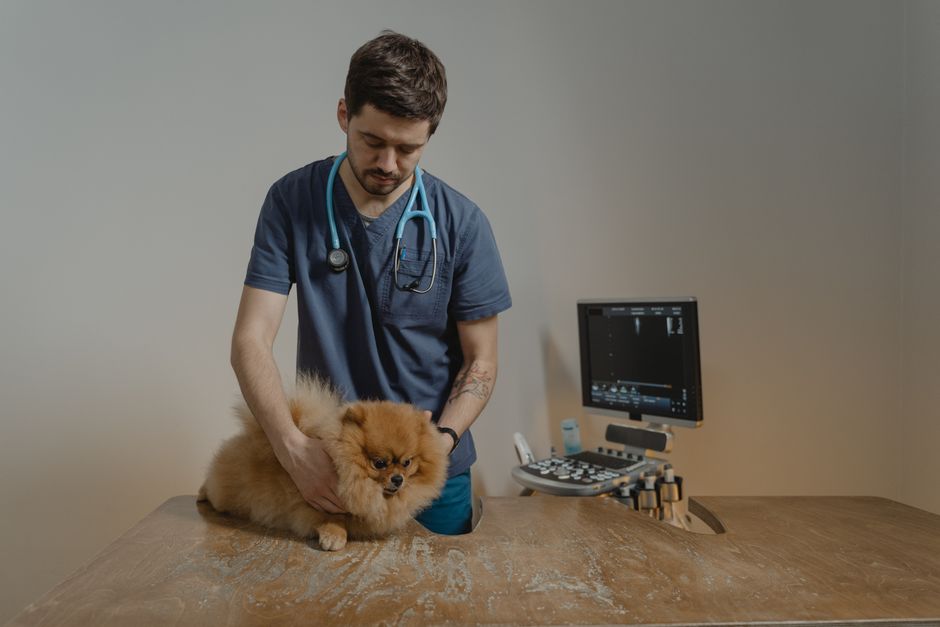
When your dog is referred for an echocardiogram at 4 Paws Imaging, you can expect a calm, pet-friendly environment where our experienced imaging team works closely with your veterinarian. The procedure is non-invasive and painless, typically requiring only gentle restraint and sometimes a mild sedative to keep anxious pets comfortable. Your dog will lie on a soft surface while the imaging specialist applies a small amount of gel to the chest and moves a handheld probe to capture images from different angles.
The real advantage of an echocardiogram is its ability to detect problems that may not be visible on physical examination or standard radiographs. These can include valve abnormalities, thickening or thinning of the heart muscle, fluid buildup, or abnormal blood flow patterns. Early detection means your veterinarian can initiate appropriate treatment or monitoring before your dog’s quality of life is affected.
For a deeper look at what an echocardiogram involves and the benefits it offers, you can visit our page on Echocardiogram ultrasounds—comprehensive heart screenings read by a Board Certified Cardiologist.
What Happens After the Echocardiogram?
After the scan, the images and findings are interpreted by a board-certified veterinary cardiologist, ensuring the highest level of accuracy. The results are then shared with your primary veterinarian, who will discuss the findings with you and recommend the next steps. This collaborative approach allows for tailored treatment plans that address your dog’s unique needs.
Depending on the diagnosis, your veterinarian may suggest medications to support heart function, dietary adjustments, or further monitoring. In some cases, additional diagnostic tests such as an electrocardiogram or Holter monitor may be recommended to further evaluate your dog’s heart rhythm. If you are coming in for an echocardiogram, our Echocardiogram Patient History Form can help you and your veterinarian provide important background information to guide the exam.
Supporting Your Dog’s Heart Health at Home
While some risk factors for heart disease, such as age and genetics, cannot be controlled, there are proactive steps you can take at home to support your dog’s heart health. Regular check-ups with your primary veterinarian are essential, especially as your dog ages or if your breed is known to be at higher risk for cardiac issues.
Maintaining a healthy weight is vital, as obesity places extra strain on the heart and can exacerbate underlying issues. Provide your dog with a balanced diet recommended by your veterinarian and encourage appropriate exercise suitable for their health status. If your veterinarian has prescribed heartworm prevention, administering it on schedule can significantly reduce the risk of heartworm-related heart disease.
Pay attention to subtle changes in your dog’s behavior, appetite, and energy levels. Early intervention can make a significant difference, so do not hesitate to reach out to your veterinarian if you have concerns. If your veterinarian recommends advanced imaging, prompt follow-through with a specialty facility like 4 Paws Imaging in Chicago can provide the clarity needed for effective treatment.
When to Seek Veterinary Imaging or Specialty Care
Knowing when to seek veterinary imaging for your dog can be challenging, especially if symptoms appear mild or intermittent. If your veterinarian hears a heart murmur during a routine exam, notices abnormal rhythms, or suspects structural heart changes based on symptoms, they may refer you for an echocardiogram. Sudden onset of severe symptoms like difficulty breathing, collapse, or persistent coughing should prompt immediate veterinary attention.
Specialty imaging is particularly valuable in cases where a diagnosis is unclear, when monitoring a known heart condition, or if your dog is about to undergo anesthesia for another procedure and your veterinarian wants to assess cardiac risk. The collaboration between your primary veterinarian and our cardiac imaging specialists ensures that your dog receives the most accurate diagnosis and individualized care plan.
If you have questions about what to expect during your dog’s echocardiogram appointment, or if you have been referred to our practice, our team is always available to guide you through the process and answer your concerns.
Choosing the Right Specialty Vet for Your Dog’s Heart Health
Selecting a specialty practice with advanced imaging capabilities is one of the best ways to support your dog’s long-term heart health. At 4 Paws Imaging, we are dedicated to providing high-quality, compassionate imaging services for pets throughout Chicago and surrounding communities. Our experienced veterinary imaging team works closely with your referring veterinarian to deliver timely, precise results that make a difference in your dog’s care.
For pet owners searching for a cardiology vet near me, it is important to choose a facility with board-certified specialists, modern equipment, and a focus on collaborative care. This ensures your dog receives the highest standard of diagnostic accuracy and ongoing support.
Take the Next Step for Your Dog’s Heart
Early detection is the key to managing heart disease in dogs and improving their quality of life. If your veterinarian has recommended advanced cardiac imaging or you are concerned about your dog’s heart health, 4 Paws Imaging is here to help. Our state-of-the-art facility at 116 W Grand Avenue, Chicago, IL 60654 provides specialized echocardiogram services and other diagnostic imaging tailored to your pet’s needs.
We invite you to learn more about our echocardiogram ultrasounds and comprehensive heart screenings or fill out our Echocardiogram Patient History Form if you have an upcoming appointment. If you are looking for a trusted cardiology vet near me, our veterinary imaging team is ready to support your veterinarian in providing the best care possible for your dog.
To schedule an appointment or speak with one of our imaging professionals, call (630) 746-1382 today. Your dog’s heart health matters to us, and we are committed to helping you navigate every step of the diagnostic process with confidence and compassion.
This article is intended for educational purposes only and should not replace professional veterinary advice. Always consult your primary veterinarian for specific concerns regarding your dog’s health.