How Pet Ultrasound Diagnostics Help Vets Pinpoint Hidden Illnesses
How Pet Ultrasound Diagnostics Help Vets Pinpoint Hidden Illnesses
When your pet is showing vague or puzzling symptoms, it can be both worrying and frustrating as a pet owner. You want answers, and you want to know your veterinarian has the right tools to find them. At 4 Paws Imaging, located at 24020 West Riverwalk CourtPlainfield, IL60544, our specialty focus is on providing high-quality, advanced ultrasound diagnostics and related imaging services exclusively for dogs and cats. With our expertise and state-of-the-art equipment, we support your primary veterinarian by uncovering the underlying causes of illness that may not be visible on physical exams or basic laboratory tests. In this blog, we will explore how veterinary ultrasound works, why it is such a valuable tool for identifying hidden illnesses in pets, and how our team helps deliver the answers your family needs for a healthier, happier pet this summer.
Recognizing When Your Pet Needs Advanced Imaging
Every pet owner hopes for straightforward answers when their dog or cat isn’t feeling well. Sometimes, however, symptoms can be subtle, progress slowly, or seem unrelated to any single health issue. That is where advanced diagnostics like ultrasound come into play. You might notice signs such as unexplained weight loss, persistent vomiting or diarrhea, changes in appetite, lethargy, or abdominal discomfort. In some cases, your pet may develop a persistent cough, breathing difficulties, or even collapse without warning. These warning signs often prompt your primary veterinarian to recommend specialized imaging studies, especially if initial tests do not provide clear answers.
Symptoms that raise concern for hidden illnesses include sudden or progressive bloating, difficulty urinating, abnormal heart rhythms, or unexplained fluid accumulation. Additionally, chronic conditions that are not responding to standard treatments may indicate the need for a more in-depth look inside your pet’s body. Ultrasound is non-invasive, painless, and provides real-time information, making it an invaluable first step toward an accurate diagnosis.
Why Do Hidden Illnesses Happen? Understanding the Need for Advanced Imaging
Pets can develop a variety of internal problems that are difficult to diagnose without advanced tools. Many serious conditions—including tumors, organ dysfunction, congenital heart defects, and certain infections—may not show clear signs externally until they are more advanced. Ultrasound offers a safe way to visualize internal organs, structures, and blood flow, allowing veterinarians to detect abnormalities with precision.
There are several reasons why a veterinarian may recommend a referral to a specialty imaging clinic like 4 Paws Imaging. Some diseases progress slowly or only affect internal organs, such as liver or kidney disease, pancreatitis, or cardiac conditions. Others, such as certain types of cancer or urinary tract blockages, may be entirely hidden from view on standard X-rays or through routine bloodwork. Ultrasound is especially useful for identifying masses, cysts, or changes in tissue structure, as well as guiding further diagnostic sampling without the need for invasive surgery.
The expertise of a specialty imaging team is crucial; interpreting advanced studies requires years of focused training and experience. At our Plainfield clinic, our veterinary professionals work closely with your primary veterinarian, providing detailed reports and recommendations for further care. This collaboration ensures your pet receives the most accurate diagnosis possible, even when the cause of illness is hidden from view.
How Ultrasound and Advanced Imaging Work for Your Pet
When your veterinarian refers your pet to 4 Paws Imaging for an ultrasound or other imaging study, you can expect a process designed for comfort, safety, and precision. An ultrasound examination uses sound waves to create real-time images of your pet’s internal organs and tissues. It is completely non-invasive; most dogs and cats tolerate the procedure well. In many cases, your pet can remain awake and gently restrained, although mild sedation may be recommended for especially anxious pets or when a detailed study is needed.
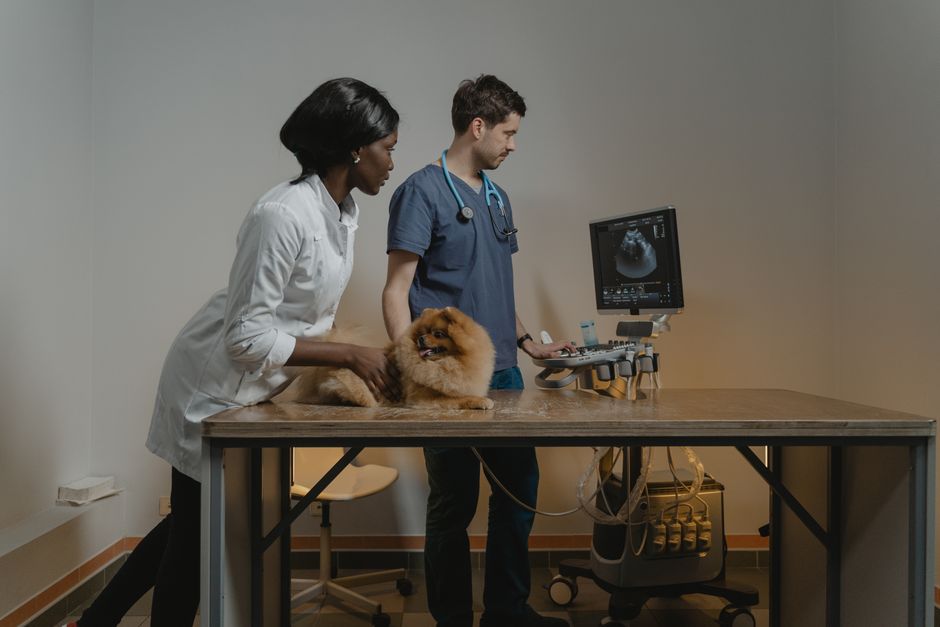
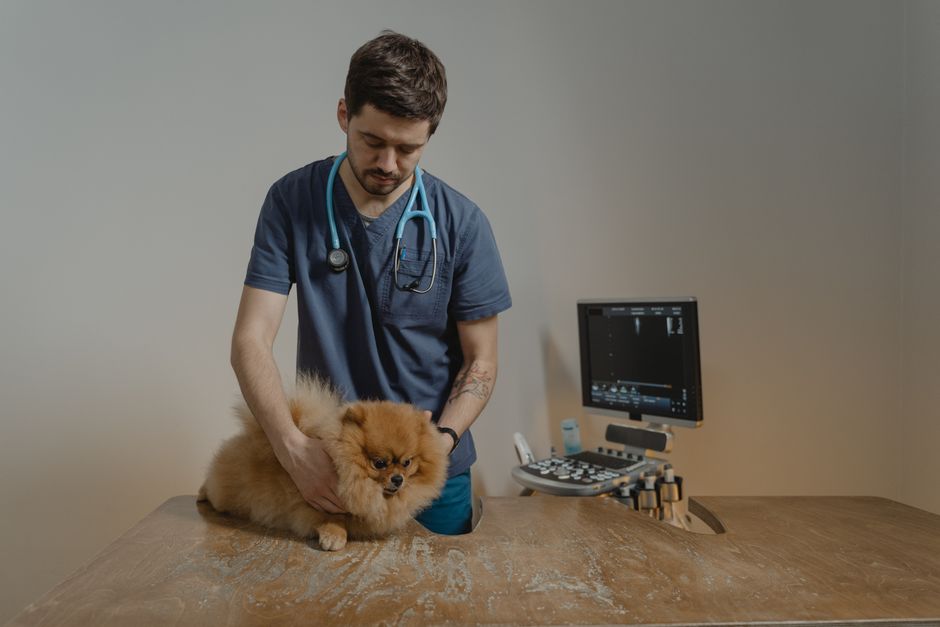
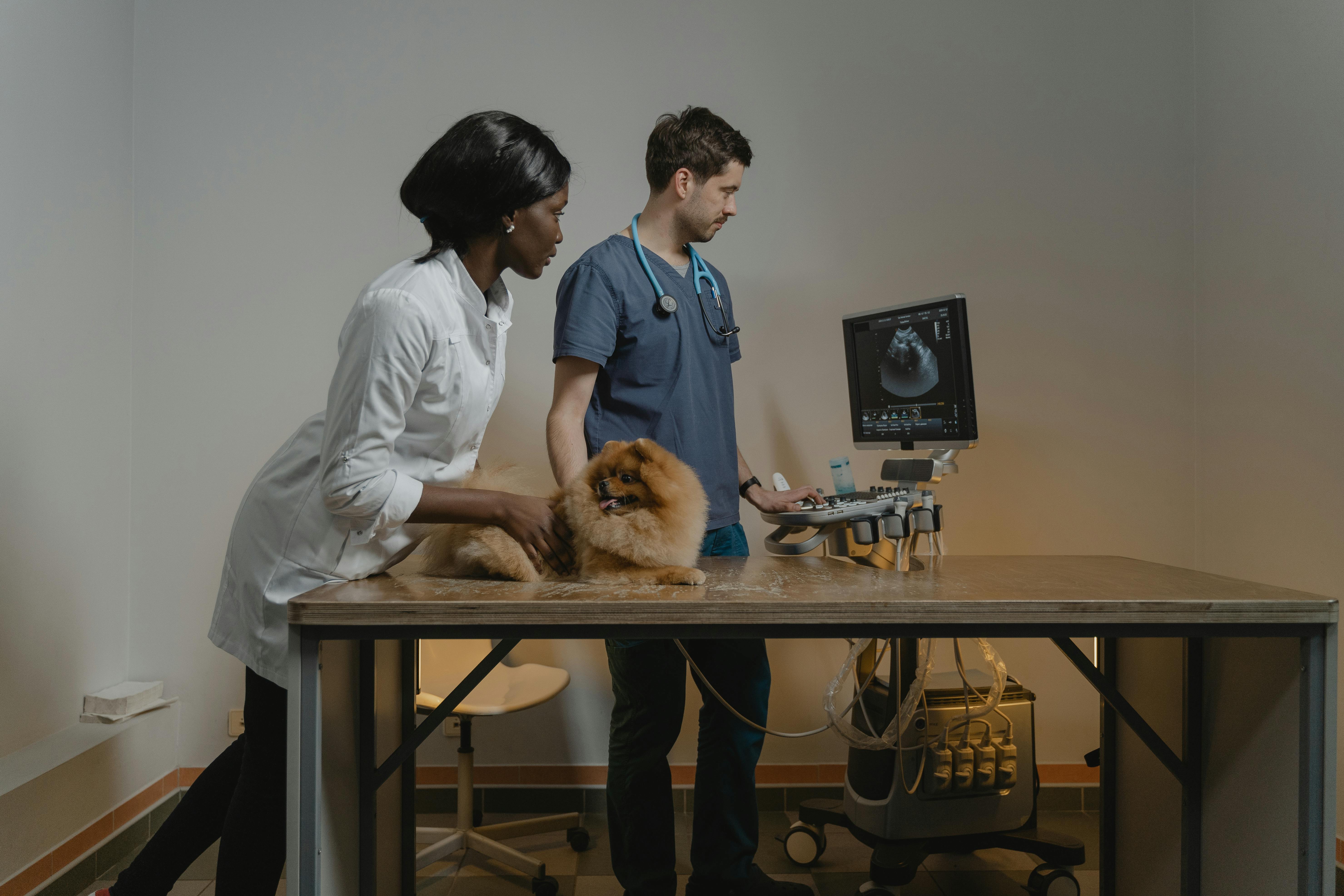
The ultrasound process involves applying a small amount of gel to your pet’s skin, then moving a specialized probe over the area of interest. Our skilled team captures high-resolution images and video footage, focusing on organs such as the liver, spleen, kidneys, bladder, intestines, and heart. For cardiac concerns, echocardiograms and electrocardiograms are performed to evaluate heart structure and function in detail. Holter monitors may be used for continuous heart rhythm monitoring over a 24-hour period, especially if intermittent arrhythmias are suspected.
The information gathered during these studies helps pinpoint issues such as tumors, organ enlargement, fluid accumulation, thickening of tissues, or abnormal blood flow. Often, ultrasound-guided procedures can be performed at the same time, such as obtaining small samples of tissue or fluid for laboratory analysis, further accelerating the path to diagnosis.
What Happens After the Diagnosis? Treatment and Next Steps
Once advanced imaging has provided answers, your veterinarian will have a much clearer roadmap for your pet’s care. The findings from an ultrasound or echocardiogram guide decisions about surgery, medication, dietary changes, or ongoing monitoring. For example, detection of a mass in the abdomen may lead to surgical removal, while identification of heart disease may prompt the start of specialized heart medications and lifestyle adjustments. In some situations, advanced imaging helps rule out serious problems, reducing unnecessary treatments and easing your worries.
At 4 Paws Imaging, our specialty is in delivering precise diagnostic information. We do not provide direct treatment or ongoing disease management; instead, we supply your primary veterinarian with detailed, actionable reports. Your veterinarian then tailors the treatment plan based on our imaging results, ensuring your pet receives care that is both targeted and effective. This collaborative approach gives your pet the best possible chance at recovery or long-term management of chronic illness.
Supporting Your Pet’s Health at Home: Prevention and Monitoring
While not all illnesses can be prevented, many hidden health issues are easier to manage when detected early. As a pet owner, being attentive to subtle changes in your dog or cat’s appetite, behavior, energy level, or bathroom habits can make a significant difference. Regular wellness visits with your primary veterinarian are essential; these appointments allow early detection of abnormalities that may require advanced imaging.
Should your veterinarian recommend ultrasound or other specialty imaging, prompt action is key. Delaying diagnostics may allow illness to progress, making treatment more complex. Keeping thorough records of your pet’s symptoms and sharing this information with your veterinary team can help guide the diagnostic process. After imaging is complete, follow your veterinarian’s instructions carefully and monitor your pet for any changes, reporting concerns right away.
When Should You Seek Specialty Imaging for Your Pet?
Not every pet needs advanced imaging, but there are certain situations where a referral to a specialty practice like 4 Paws Imaging is essential. If your veterinarian suspects a hidden illness that cannot be confirmed through routine tests, or if your pet’s symptoms are severe, persistent, or rapidly worsening, advanced diagnostics are often the next logical step. Emergencies such as sudden collapse, severe abdominal pain, or difficulty breathing should always be addressed by your primary veterinarian or an emergency clinic immediately; once stabilized, your pet may be referred for specialized imaging to help pinpoint the cause.
Trust your veterinarian’s judgment and recommendations. The partnership between your veterinary general practitioner and a specialty imaging team provides your pet with the highest standard of care. If you have questions about the process, our compassionate veterinary professionals at 4 Paws Imaging are always happy to provide guidance and explain what to expect.
Choosing a Specialty Imaging Vet Near Me in Plainfield, IL
When your search for a specialty imaging vet near me brings you to 4 Paws Imaging, you can rest assured your pet is in capable hands. Our clinic at 24020 West Riverwalk CourtPlainfield, IL60544 is committed to serving pet owners across Plainfield and surrounding communities with advanced, non-invasive diagnostics. With access to the latest equipment and a team dedicated exclusively to imaging for dogs and cats, we ensure that every referral receives the attention and expertise it deserves.
If your veterinarian has recommended an ultrasound, echocardiogram, electrocardiogram, or Holter monitor for your pet, or if you have questions about the process, do not hesitate to reach out. Our veterinary imaging team is here to support you and your primary care provider every step of the way. For more information or to discuss a referral, call us at (630) 746-1382. Together, we can help your pet get the answers needed for better health and peace of mind.
Medical disclaimer: The information in this blog is for educational purposes only and should not be used as a substitute for professional veterinary advice. Always consult your veterinarian for specific recommendations regarding your pet’s health and diagnostic needs.