How Pet Ultrasound Helps Uncover Hidden Health Issues

How Pet Ultrasound Helps Uncover Hidden Health Issues
When your pet starts acting differently or shows symptoms that just do not add up, the uncertainty can be stressful for your entire family. Sometimes, physical exams and basic blood work alone are not enough to pinpoint the source of your pet’s discomfort. That is where advanced diagnostic imaging steps in to provide much-needed answers. At 4 Paws Imaging, located in 2581 Ogden Avenue, Downers Grove, IL 60515, our experienced veterinary professionals use state-of-the-art ultrasound technology to help uncover hidden health issues in pets. Whether your pet is experiencing vague symptoms, suspected internal problems, or you are seeking peace of mind during pregnancy, ultrasound can play a vital role in their care. In this blog, we will explore how pet ultrasound works, when it is recommended, what you can expect from the procedure, and how it helps your veterinarian make the most informed decisions for your pet’s health. We will also discuss why 4 Paws Imaging is the trusted referral destination for diagnostic imaging in Downers Grove and surrounding communities.
Recognizing When Your Pet Might Need an Ultrasound
As a pet owner, it can be challenging to know when your companion may need advanced diagnostic imaging. Many health problems that require ultrasound are not visible from the outside. Key signs that might prompt your family veterinarian to recommend an ultrasound include persistent vomiting or diarrhea, unexplained weight loss, abdominal swelling, changes in appetite, or lethargy. Additionally, trouble urinating, coughing, labored breathing, or a suspected mass or lump can also indicate underlying issues that cannot be fully evaluated through a physical exam alone. For example, if your dog or cat is eating less and seems uncomfortable when touched around the abdomen, your veterinarian may want to investigate further using abdominal ultrasound to examine the liver, spleen, kidneys, and intestines for abnormalities. Pregnancy monitoring, heart concerns, or evaluation of the thyroid gland are other common reasons for advanced imaging.
It is important to remember that many conditions such as early-stage tumors, internal organ changes, or developing pregnancies can remain undetected without specialized imaging. That is why if your veterinarian refers you to a specialty imaging center like 4 Paws Imaging, it means they want to provide your pet with the most comprehensive and precise diagnostic information possible.
Understanding How Pet Ultrasound Works
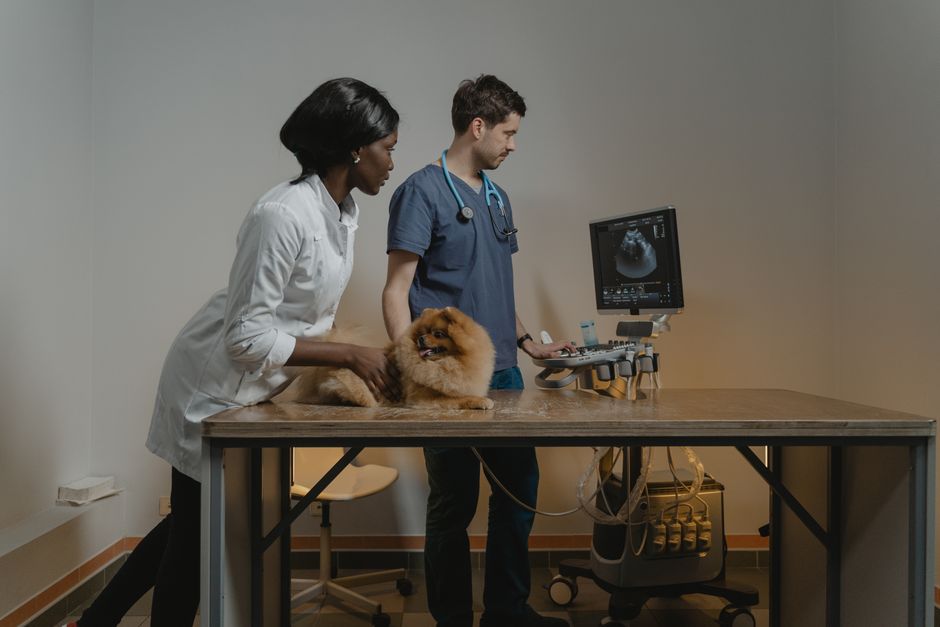
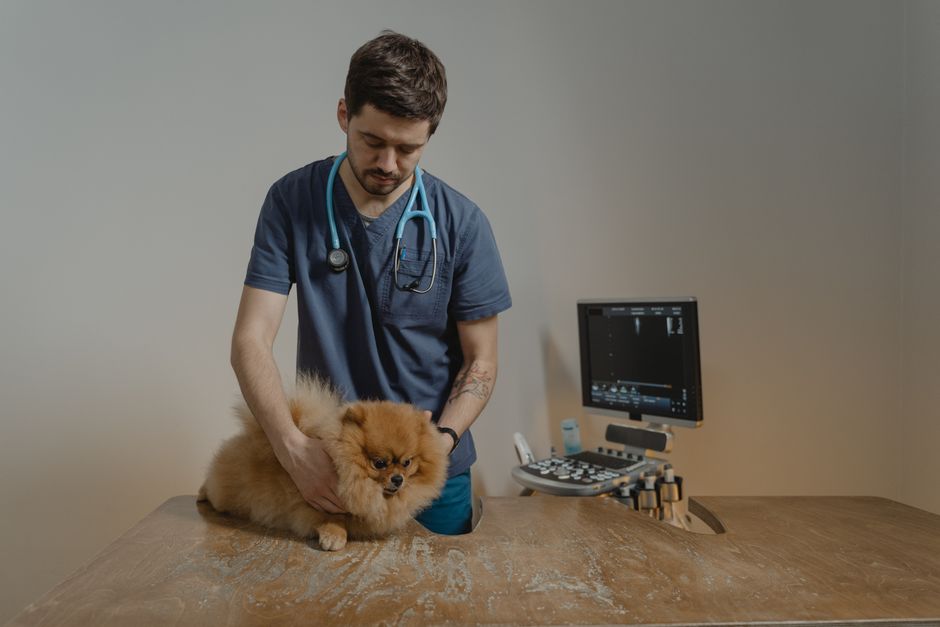
Ultrasound is a non-invasive imaging technique that uses sound waves to produce real-time images of your pet’s internal organs and tissues. Unlike X-rays, which provide pictures of bones and dense structures, ultrasound excels at revealing details in soft tissues such as the liver, kidneys, heart, and reproductive organs. During the procedure, your pet will typically lie comfortably on a padded table while a veterinary professional applies a special gel to the area being examined. A handheld device called a transducer is gently moved over the skin, sending sound waves into the body. These waves bounce back and are translated into detailed images on a computer screen, allowing our team to observe organ structure, movement, and even blood flow.
Ultrasound is completely painless and does not expose your pet to radiation. Most pets tolerate the procedure well, and sedation is rarely needed unless your pet is highly anxious or the area being examined is particularly sensitive. The results are immediate, enabling timely communication with your primary veterinarian so they can make swift decisions about your pet’s care.
Common Health Issues Detected With Ultrasound
Ultrasound can reveal a wide range of health issues that might otherwise remain hidden. For pets experiencing digestive concerns, an abdominal ultrasound can help identify gastrointestinal obstructions, enlarged organs, abnormal fluid accumulation, or tumors. If your veterinarian suspects heart problems, a specialized echocardiogram can assess the structure and function of your pet’s heart, providing invaluable information for managing conditions like heart murmurs or congestive heart failure. Thyroid ultrasound may be recommended if your pet has symptoms of hormonal imbalance, such as changes in energy or weight. Our team also offers pregnancy ultrasound to confirm and monitor pregnancies, giving you peace of mind and the ability to plan for your growing family.
Additional conditions commonly evaluated with ultrasound include bladder stones, cysts, liver or spleen disease, and abnormal lymph nodes. In some cases, ultrasound may help guide fine-needle aspirates or biopsies, allowing for tissue sampling without the need for invasive surgery. If you are interested in learning more about the types of ultrasounds we offer, such as abdominal ultrasounds or thyroid ultrasound, our website provides detailed descriptions of each service.
What to Expect During Your Pet’s Ultrasound Appointment
When your pet is referred to 4 Paws Imaging for an ultrasound, you can expect a gentle, low-stress experience tailored to your pet’s needs. Our veterinary professionals will review your pet’s medical history and discuss the reason for the referral. Depending on the area being imaged, your pet may need to fast for several hours beforehand. The fur in the area of interest may be shaved to ensure optimal contact with the ultrasound probe and clearer images.
The actual ultrasound procedure usually takes 20 to 60 minutes, depending on the complexity of the exam. Most pets remain awake and relaxed throughout, often comforted by gentle handling from our team. Once complete, our imaging specialists interpret the results and share a detailed report with your referring veterinarian, usually within the same day. This timely communication ensures that your pet’s care plan can proceed without delay.
How Ultrasound Supports Better Treatment Decisions
Ultrasound is more than just a diagnostic tool; it is a way to empower your primary veterinarian with precise information. For example, if your cat has been losing weight and bloodwork points to a possible liver problem, an abdominal ultrasound can reveal whether the liver is enlarged, if there are masses present, or if fluid is accumulating in the abdomen. This clarity helps your veterinarian determine the best course of action, whether that means medical management, surgical intervention, or further specialized tests.
For cardiac concerns, echocardiogram ultrasounds performed by our veterinary imaging team provide detailed insights into heart function, valve performance, and blood flow. This level of information guides your veterinarian in choosing the most effective medications or monitoring strategies, improving the outlook for pets with heart disease. In cases of suspected pregnancy, ultrasound allows for early detection and ongoing monitoring, helping you prepare for safe delivery and healthy puppies or kittens.
Steps Pet Owners Can Take at Home
While advanced imaging requires specialized training and equipment, there are still important ways pet owners can support early detection and a successful diagnostic process. Staying attentive to subtle changes in your pet’s behavior, appetite, or bathroom habits can make a big difference. Keeping a journal of symptoms, noting dates and severity, and promptly sharing this information with your primary veterinarian helps guide timely referrals to specialty imaging centers like 4 Paws Imaging. When preparing for an ultrasound appointment, follow any instructions provided by your referring veterinarian such as fasting or withholding certain medications. Bringing along your pet’s medical records, recent test results, and a list of questions ensures your veterinary team has all the information needed for a thorough evaluation.
Additionally, maintaining regular wellness exams and preventive care is the best way to catch issues before they become advanced. Early intervention is always more effective, and your vigilance plays a vital role in your pet’s lifelong health.
When to Seek Professional Veterinary Imaging
There are scenarios where seeking advanced diagnostic imaging is absolutely essential. If your pet is experiencing persistent vomiting, unexplained weight loss, difficulty breathing, or has developed a rapidly growing lump, it is time to consult your family veterinarian and discuss whether a referral to a specialty imaging center is warranted. Other warning signs that may indicate the need for ultrasound include blood in the urine or stool, changes in heart rate, or the sudden onset of neurological symptoms.
Your primary care veterinarian may recommend an ultrasound if initial tests are inconclusive, if a more detailed look at internal organs is needed, or if a known condition requires ongoing monitoring. In Downers Grove and surrounding communities, 4 Paws Imaging serves as the trusted resource for diagnostic imaging, working closely with local veterinarians to ensure pets receive the most accurate diagnoses and effective treatment plans.
If you ever find yourself searching for a specialty vet near me, choosing a practice with advanced imaging capabilities and a team of dedicated veterinary professionals can make all the difference in your pet’s comfort and recovery.
Compassionate, Collaborative Care at 4 Paws Imaging
Your pet’s health and comfort are always our top priority at 4 Paws Imaging. We understand that facing unexplained symptoms or waiting for a diagnosis can be overwhelming. Our veterinary imaging professionals are here to provide clarity and support, using the latest ultrasound technology to uncover hidden health issues quickly and accurately. By collaborating closely with your primary veterinarian, we ensure that your pet benefits from a truly comprehensive approach to care.
If your veterinarian has recommended an ultrasound or you have questions about our imaging services, please reach out to our team at (630) 746-1382 or visit us at 2581 Ogden Avenue, Downers Grove, IL 60515. You can also find more details about our full range of diagnostic services, including abdominal ultrasounds, echocardiogram ultrasounds, and pregnancy ultrasound services, on our website. Remember, early and accurate diagnosis is the key to better outcomes for your pet. Let us help you and your family veterinarian uncover answers and get your pet back on the path to wellness.