How Summer Heat Can Affect Your Pet’s Heart Health

How Summer Heat Can Affect Your Pet’s Heart Health
When summer arrives in Downers Grove and the surrounding communities, pet owners often look forward to more time outdoors with their dogs and cats. However, as temperatures rise, the risk of heat-related health problems for pets also increases. Among the most serious concerns is how hot weather can place extra strain on your pet’s heart—especially if your dog or cat already has a known or suspected cardiac condition. At 4 Paws Imaging, located at 2581 Ogden Avenue, Downers Grove, IL 60515, our team of veterinary imaging specialists is dedicated to providing advanced diagnostics to help veterinarians and pet owners uncover and manage heart health concerns. In this blog, we’ll explain how summer heat can impact your pet’s cardiovascular system, what signs to watch for, when advanced diagnostics such as echocardiogram ultrasounds or Holter monitors may be recommended, and practical steps you can take to keep your pet safe during the hottest months.
Recognizing Signs of Heat-Related Heart Stress in Pets
Many pet owners are surprised to learn that dogs and cats can experience cardiovascular stress from high temperatures, even if they seem healthy most of the year. Heat can be especially dangerous for pets with known heart disease, but it can also reveal previously undiagnosed issues. Warning signs that your pet’s heart may be struggling in the heat include heavy or labored breathing not related to exercise, excessive panting that does not resolve after rest, sudden fatigue or reluctance to exercise, episodes of weakness or collapse, a racing or irregular heartbeat, and in some cases, fainting. Additional symptoms such as coughing, especially at night or after mild activity, or persistent restlessness, may indicate that your pet’s heart is under extra strain.
For cats, the signs can be more subtle. Owners might notice decreased activity, rapid breathing with an open mouth, or hiding in cool areas of the house. Any of these symptoms, especially when accompanied by heat exposure, should prompt prompt attention. If your pet has a history of heart murmur, fainting, or known cardiac disease, these signs become even more concerning during the summer months.
Why Does Hot Weather Stress Your Pet’s Heart?
Understanding how your pet’s body responds to heat is an important step in protecting their heart health. Dogs and cats regulate body temperature differently from humans; they do not sweat efficiently and rely primarily on panting and limited sweat glands in their paws to cool down. When the weather is hot and humid in Downers Grove, pets must work much harder to maintain a safe body temperature. This increased effort raises the heart’s workload as the cardiovascular system must pump more blood to the skin’s surface to help release heat.
In pets with preexisting heart conditions, such as mitral valve disease, cardiomyopathy, or arrhythmias, the additional workload caused by high temperatures can overwhelm the heart’s ability to compensate. This may lead to worsening heart failure, development of abnormal heart rhythms, or the appearance of new symptoms that were not noticeable in cooler weather. Even healthy pets, especially those that are older, overweight, or belong to brachycephalic (short-nosed) breeds like Bulldogs or Persians, are at higher risk for heat-related heart stress.
Advanced Diagnostics for Summer-Related Heart Concerns
When your family veterinarian suspects that your pet’s symptoms may be related to heart disease or if a known cardiac condition is worsening during the summer, advanced diagnostic imaging becomes essential. At 4 Paws Imaging, our focus is on providing high-quality, non-invasive diagnostics that help your primary veterinarian make informed decisions about your pet’s care.
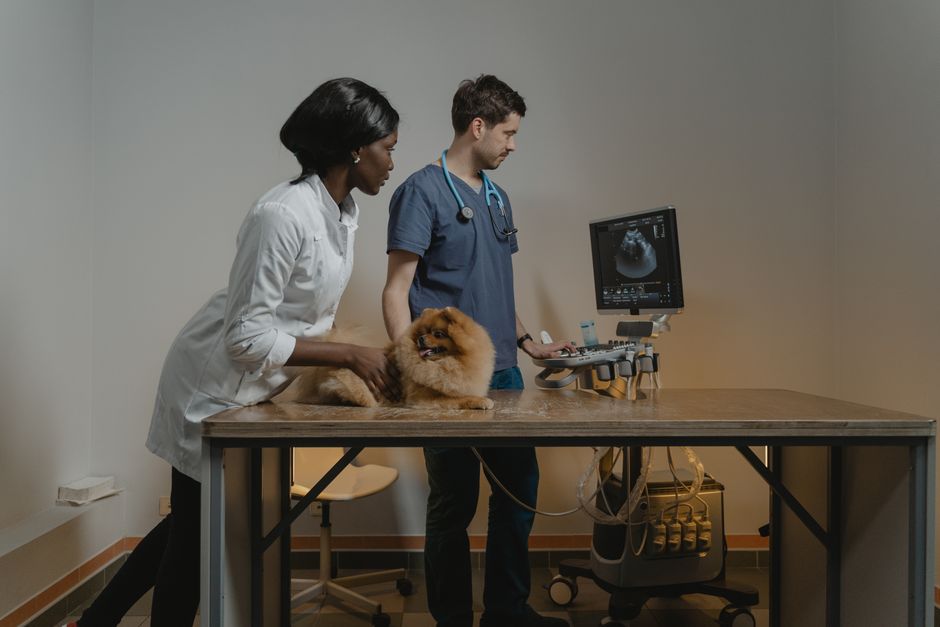
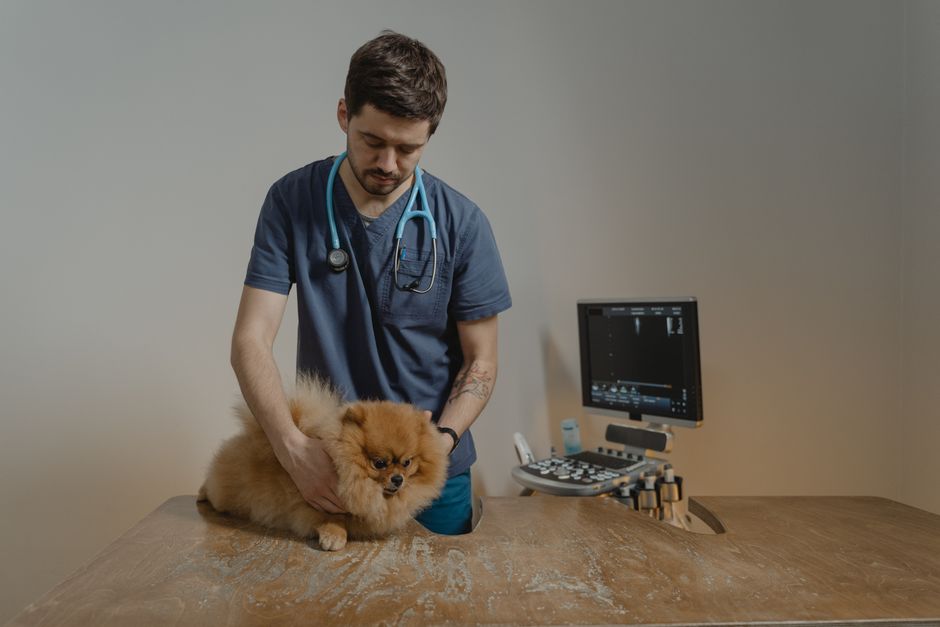
An echocardiogram ultrasound is one of the most effective ways to assess your pet’s heart structure and function in real time. This test can reveal underlying issues such as thickened or weakened heart walls, leaky valves, or abnormal blood flow that may become more problematic in the heat. When irregular heart rhythms are suspected, an electrocardiogram (ECG) records the electrical activity of your pet’s heart, helping to identify arrhythmias that could be triggered or worsened by heat stress.
For pets with fainting episodes, intermittent symptoms, or complex rhythm disturbances, a Holter monitor provides continuous heart monitoring over 24 hours or more. This allows veterinarians to capture abnormalities that might not show up during a brief clinic visit, offering invaluable information for diagnosis and management.
At 4 Paws Imaging, our board-certified specialists work closely with your family veterinarian to interpret these tests and provide clear, actionable reports. Our team ensures that your pet receives the best possible imaging care, tailored to their unique needs and medical history.
How Pet Owners Can Help Protect Heart Health in the Heat
While advanced diagnostics are crucial for pets at risk of or experiencing heart problems, there are several practical steps you can take at home to reduce your pet’s risk of heat-related heart stress. Limiting outdoor activities to the coolest parts of the day, such as early morning or late evening, can make a significant difference. Ensuring your pet always has access to fresh, cool water and shaded, well-ventilated areas helps prevent overheating. Never leave your dog or cat in a parked car, even for a few minutes, as temperatures can rise rapidly to dangerous levels.
Monitor your pet’s activity closely during hot weather. If your dog normally enjoys long walks or active play, consider shorter, gentler sessions and watch for signs of fatigue or heavy breathing. For cats, encourage rest indoors and avoid excessive handling or play during the peak heat hours. Owners of pets with heart conditions should pay extra attention to medication schedules and consult their veterinarian about any necessary adjustments during the summer.
Some pets may benefit from cooling mats or vests designed to help regulate body temperature. Remember that brachycephalic breeds, overweight pets, seniors, and those with chronic illnesses are especially vulnerable, so take extra precautions for these individuals.
When to Seek Advanced Veterinary Care
Recognizing when your pet’s symptoms require more than at-home care is vital, especially during the summer. If your dog or cat exhibits sudden weakness, collapse, trouble breathing, persistent coughing, or fainting, this is an emergency and you should seek immediate veterinary attention. For less urgent but concerning symptoms—such as a new or worsening cough, reluctance to exercise, or persistent fatigue—a visit to your primary veterinarian is recommended. If your veterinarian suspects an underlying heart problem, they may refer you to a specialty diagnostic center like 4 Paws Imaging for an echocardiogram, ECG, or Holter monitor evaluation.
Our imaging services are designed to support your family veterinarian in diagnosing and managing heart conditions, especially when summer heat complicates the clinical picture. Prompt and accurate diagnostics can make a significant difference in your pet’s comfort, quality of life, and long-term prognosis.
Ensuring Heart Health for Your Pet This Summer
The heat of summer in Downers Grove and the surrounding communities presents unique challenges for pet heart health. By understanding the impact of high temperatures, recognizing the signs of heat-related cardiac stress, and taking proactive steps to protect your pet, you can help ensure a safer, happier season for your furry companion. If your veterinarian recommends advanced heart diagnostics or you are concerned about your pet’s heart health, our veterinary imaging specialists at 4 Paws Imaging are here to help.
To learn more about our advanced imaging services, including echocardiogram ultrasounds, Holter monitors, and electrocardiogram diagnostics, contact our team at (630) 746-1382 or visit us at 2581 Ogden Avenue, Downers Grove, IL 60515. When searching for a specialty cardiology vet near me, trust our board-certified veterinary professionals to deliver the highest standard of care for your beloved pet. If you have any questions or concerns, reach out today to ensure your pet’s heart stays healthy all summer long.
This blog is intended for informational purposes only and should not replace professional veterinary advice. Always consult your family veterinarian or a veterinary specialist for any concerns regarding your pet’s health.