How Ultrasound Helps Diagnose Hidden Illnesses in Pets
How Ultrasound Helps Diagnose Hidden Illnesses in Pets
When your dog or cat starts showing mysterious symptoms—maybe they’re suddenly less energetic, eating less, or hiding more—it’s natural to worry and wonder what’s going on beneath the surface. Many pet owners in Chicago and surrounding communities find themselves searching for answers when visible signs just don’t add up. At 4 Paws Imaging, our team of veterinary imaging specialists uses advanced ultrasound technology to reveal what can’t be seen during a regular examination. In this blog, you’ll learn how veterinary ultrasounds work, why your veterinarian might refer your pet for an imaging study, and how these powerful tools help uncover the cause of your pet’s hidden illnesses. We’ll also explore what to expect during an ultrasound appointment and how our state-of-the-art services at 4 Paws Imaging support local veterinarians and pet owners in keeping pets healthy and happy.
Recognizing When Your Pet Needs Advanced Imaging
As a caring pet owner, you know your dog or cat’s usual behaviors and routines. When subtle or unexplained changes start to appear, it’s important to pay close attention. Some of the most common reasons veterinarians recommend an ultrasound include persistent vomiting or diarrhea, unexplained weight loss, changes in appetite or thirst, abdominal swelling, or difficulty breathing. Additionally, issues such as fainting episodes, lethargy, or abnormal heart sounds detected during a checkup can also trigger a recommendation for further imaging.
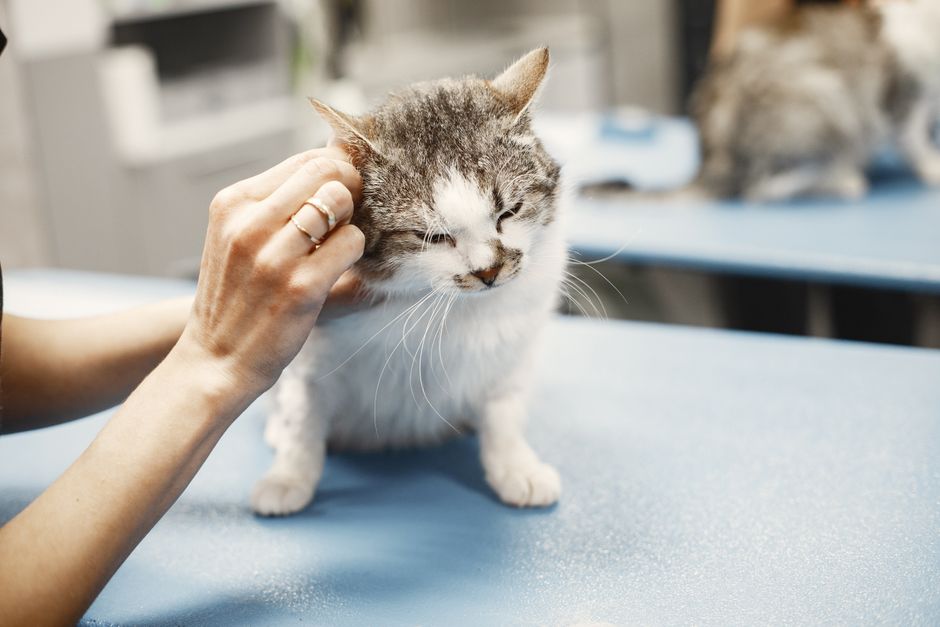
It’s not always easy to pinpoint what’s wrong when your pet isn’t themselves. For example, a cat that suddenly hides more than usual or a dog that seems to tire quickly on walks could be displaying early signs of an internal issue. Because many illnesses develop without obvious outward symptoms, routine exams may not always reveal the full picture. That’s where diagnostic imaging steps in, offering a window into your pet’s internal organs and systems without the need for surgery or invasive procedures.
Understanding the Causes: Why Hidden Illnesses Happen
Hidden illnesses in pets often develop quietly, sometimes progressing for weeks or months before showing clear signs. Some of the underlying conditions discovered through ultrasound include tumors or masses in the abdomen, heart disease, liver or kidney problems, hormone-related disorders, and even complications from previous injuries or infections.
For instance, older cats are prone to developing hyperthyroidism or kidney disease, both of which can be difficult to confirm without imaging. Similarly, dogs may develop heart conditions such as cardiomyopathy or mitral valve disease, which can cause subtle symptoms at first. In some cases, younger pets may have congenital issues—conditions present from birth—that go unnoticed until they start affecting daily life.
Because pets instinctively hide discomfort, illnesses like bladder stones, gastrointestinal blockages, or organ inflammation may not cause dramatic symptoms until the condition has become more advanced. This is why veterinarians often recommend an ultrasound when bloodwork, x-rays, or a physical exam raise concerns but don’t provide enough information for a clear diagnosis.
How Ultrasound Reveals Answers: Diagnostic Imaging at 4 Paws Imaging
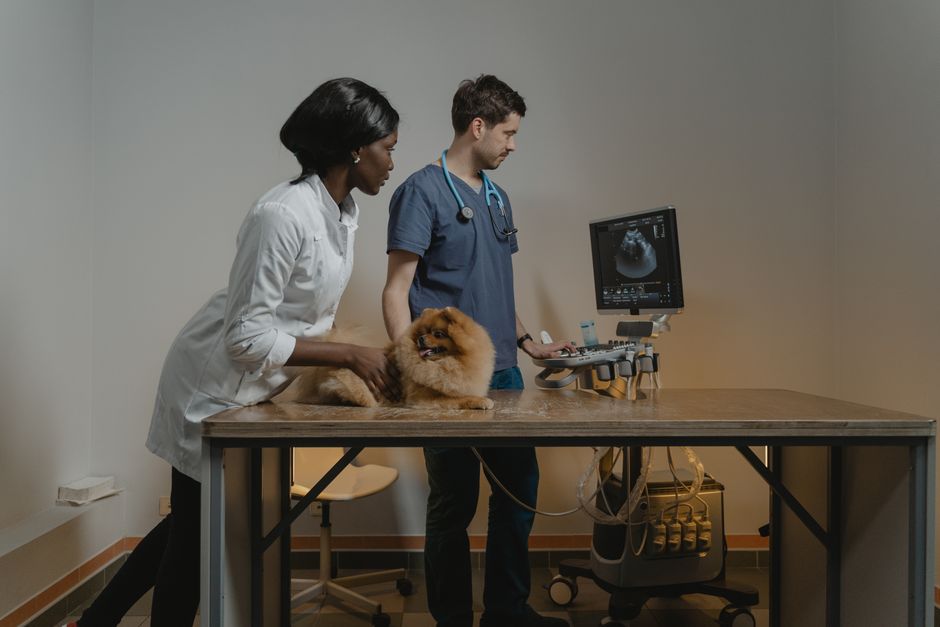
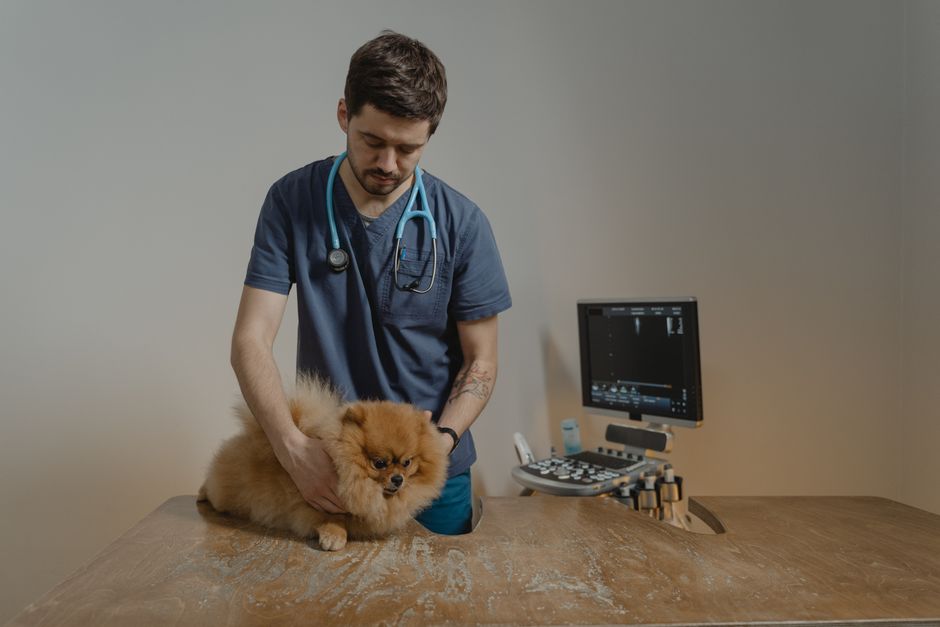
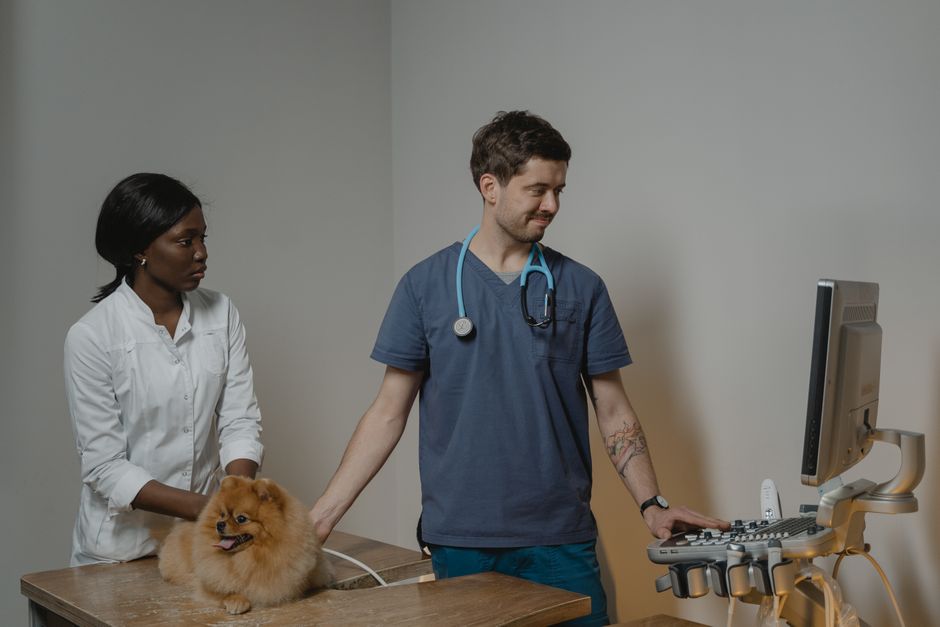
Ultrasound is a safe, non-invasive diagnostic tool that uses sound waves to create real-time images of your pet’s internal organs. During an appointment at 4 Paws Imaging, our experienced veterinary imaging team works closely with your referring veterinarian to target the area of concern. The process is gentle—pets are comfortably positioned on a padded table, and a small area of fur may be shaved to allow better contact with the ultrasound probe.
Our advanced equipment can visualize organs such as the liver, spleen, kidneys, bladder, and intestines, as well as the heart and major blood vessels. For heart-related concerns, we offer specialized services like echocardiogram ultrasound heart screenings for pets and Holter monitor services for advanced cardiac diagnostics in pets. When there are signs of thyroid issues, a thyroid ultrasound evaluation provides clear, detailed insights.
Our team interprets these images in real time, often allowing your veterinarian to diagnose conditions such as tumors, cysts, fluid accumulations, or changes in organ size and texture. Because the procedure is non-invasive and does not require anesthesia in most cases, pets typically return home shortly after their appointment with no lasting effects.
What to Expect: The Imaging Experience for Dogs and Cats
Bringing your pet for an ultrasound can seem daunting if you’ve never experienced advanced imaging before. Most pets tolerate the procedure well with minimal stress. The exam usually takes 30 to 60 minutes, depending on the complexity of the case. You may be asked to withhold food for several hours prior to the appointment, especially if your veterinarian has requested an abdominal ultrasound.
During the ultrasound, your dog or cat will be gently restrained to keep them comfortable and still. Clear gel is applied to the skin to help transmit the sound waves. The ultrasound probe is then moved over the targeted area, creating live images that our veterinary professionals interpret on the spot. In some cases, your pet may need follow-up diagnostics such as electrocardiogram (ECG) services to further evaluate the heart’s electrical activity.
After the procedure, results are shared with your primary veterinarian, who will review the findings with you and discuss next steps for your pet’s care. At 4 Paws Imaging, we pride ourselves on collaborating closely with local veterinary clinics throughout Chicago and surrounding communities, ensuring that every pet receives the most accurate and timely diagnosis possible.
Prevention and Early Detection: The Role of Imaging in Pet Wellness
While not every illness can be prevented, early detection is one of the most powerful tools in maintaining your pet’s long-term health. Routine veterinary checkups are essential, but advanced imaging takes diagnostics a step further when symptoms are vague or when bloodwork shows abnormalities.
For example, older pets benefit from periodic ultrasounds to screen for common age-related conditions such as liver disease, tumors, or heart problems. If your veterinarian notices subtle changes in your pet’s behavior or health profile, an ultrasound can catch developing conditions before they become emergencies. In breeding animals, pregnancy ultrasound services help monitor fetal health and identify potential complications early.
At home, you can support your pet’s health by monitoring their appetite, weight, water intake, and energy levels. Any sudden or persistent changes should be discussed with your veterinarian, who can determine if advanced imaging is indicated.
When to Seek Specialty Imaging for Your Pet
Deciding when to pursue advanced imaging can be challenging, especially when symptoms are mild or seem to come and go. As a rule of thumb, you should consult your veterinarian if your dog or cat has persistent gastrointestinal issues, unexplained weight loss, breathing difficulties, fainting episodes, or swelling in the abdomen. Any sudden changes in behavior, such as hiding, restlessness, or reluctance to play, also warrant further investigation.
Your primary care veterinarian will determine when a referral to a specialty imaging provider like 4 Paws Imaging is appropriate. Our team of veterinary imaging specialists is here to support pet owners and referring veterinarians by offering detailed diagnostic answers and compassionate care throughout the process.
If your pet has already been referred for an ultrasound or other imaging study, you can expect a collaborative approach—our findings help your regular veterinarian design the most effective treatment plan, whether that means medical management, surgery, or continued monitoring.
Trust Advanced Imaging to Uncover the Answers Your Pet Needs
When your dog or cat is facing unexplained symptoms, advanced imaging provides the insight needed to move forward with confidence. At 4 Paws Imaging, our board-certified veterinary imaging team is dedicated to helping local pet owners and their veterinarians find answers quickly and comfortably. From abdominal ultrasound diagnostic services for pets to specialized cardiac and thyroid imaging, we offer a full range of non-invasive diagnostics right here in Chicago.
If you’re searching for a specialty vet near me who can provide expert imaging for your pet, we invite you to contact our team. You can reach us at (630) 746-1382 or visit us at 116 W Grand Avenue, Chicago, IL 60654 to schedule an appointment or discuss your pet’s unique needs. Our veterinary imaging professionals are here to support you every step of the way, giving your pet the best chance at a healthy, happy future.
This blog is intended for educational purposes only and does not replace professional veterinary advice. Always consult your veterinarian if you have concerns about your pet’s health or diagnostic needs.