Lethargy in Dogs: How Imaging Reveals The Cause

Lethargy in Dogs: How Imaging Reveals The Cause
Is your dog suddenly sleeping more or showing little interest in activities they once loved? Lethargy in dogs is one of the most common concerns we hear from pet owners in Chicago and the surrounding communities. When your energetic companion becomes unusually tired or inactive, it can be worrisome—especially when the cause is not obvious. At 4 Paws Imaging, located at 116 W Grand Avenue, Chicago, IL 60654, our experienced veterinary professionals use advanced diagnostic imaging to uncover the underlying reasons for your dog's sudden change in energy. This post will guide you through the signs of lethargy, the possible causes, and how our specialized imaging services—including ultrasounds, echocardiograms, and more—can provide the answers you need for peace of mind.
Whether you are in River North, Gold Coast, Lincoln Park, or anywhere in Chicago, understanding lethargy in dogs is the first step to protecting your pet’s health. If you are looking for answers, our board-certified specialists and state-of-the-art technology are here to help you and your veterinarian get to the root of your dog's fatigue. In the following sections, we will walk through the common symptoms, what might cause lethargy, how imaging plays a pivotal role in diagnosis, what to expect from a specialty imaging appointment, and when it’s time to seek specialized veterinary care.
Recognizing Lethargy in Dogs: When Should You Be Concerned?
Every dog has lazy days, but persistent or sudden lethargy is different from simply enjoying a nap. Lethargy in dogs means more than just being sleepy after exercise or a big meal; it is a noticeable drop in energy or motivation that lasts beyond a few hours. Key symptoms include a lack of interest in play or walks, reluctance to get up, slow movement, and sometimes even ignoring food or treats. Other signs to watch for are subtle changes like hiding, avoiding attention, or appearing weak. Some dogs may also seem disoriented, unable to settle, or may pant more than usual.
It is important for pet owners to trust their instincts. You know your dog’s usual behavior best, so if you notice they are unusually subdued, sleeping during times when they are normally active, or struggling to get comfortable, these may be clues something is wrong internally. Sometimes lethargy is paired with other symptoms like vomiting, diarrhea, coughing, or changes in breathing—these combinations can signal the need for immediate evaluation. Chronic, unexplained tiredness should never be ignored, especially if it appears alongside other changes in behavior or physical condition.
What Causes Lethargy in Dogs? Understanding the Underlying Conditions
Many different health issues can lead to lethargy in dogs, ranging from temporary illnesses to serious medical conditions. Infections such as parvovirus or kennel cough may sap your pet’s energy, while metabolic disorders like diabetes or hypothyroidism can cause gradual declines in activity. Heart disease is another common culprit, as poor cardiac function often results in weakness and decreased stamina. Similarly, problems with the liver, kidneys, or gastrointestinal tract may also cause dogs to slow down or seem unwell.
Pain from injuries, arthritis, or internal problems can leave dogs less active; sometimes the pain is not visible but is detected through advanced imaging. Hormonal imbalances, including thyroid disorders, are frequent sources of chronic fatigue. In older dogs, cancer or organ dysfunction may be behind unexplained lethargy. Reproductive conditions, such as pyometra in unspayed females or pregnancy-related complications, can also affect energy levels.
Pinpointing the exact cause of lethargy in dogs is often challenging because the symptoms are so broad. This is where veterinary imaging becomes crucial. Diagnostic tools like abdominal ultrasounds, echocardiograms, and thyroid ultrasounds allow our veterinary team to look inside your pet’s body without invasive procedures, providing a much clearer picture of what might be going on beneath the surface.
How Veterinary Imaging Helps Diagnose Lethargy in Dogs
When lethargy in dogs cannot be explained by a physical exam or routine bloodwork, advanced imaging is often the next step. At 4 Paws Imaging, we offer a comprehensive range of diagnostic imaging services tailored to uncover the source of your dog’s fatigue. Each imaging modality serves a specific purpose, helping our veterinary professionals gather detailed information that guides your family veterinarian’s treatment decisions.
Abdominal Ultrasound: Looking for Internal Clues
An abdominal ultrasound is a non-invasive way to examine the organs within your dog’s abdomen. This technique allows us to assess the liver, kidneys, spleen, gastrointestinal tract, and more. For dogs experiencing lethargy, an abdominal ultrasound can reveal issues like organ enlargement, tumors, fluid accumulation, or inflammatory conditions that might otherwise go undetected. If your dog is also showing symptoms such as vomiting, diarrhea, or weight loss, this imaging study is especially valuable and often recommended as part of a complete diagnostic workup.
Echocardiogram and Electrocardiogram: Uncovering Heart-Related Causes
Heart disease can be a silent source of lethargy in dogs, particularly in breeds prone to cardiac problems or in senior pets. An echocardiogram provides a detailed look at heart structure and function, helping our board-certified veterinary specialists detect conditions like valve disease, cardiomyopathy, or congenital defects. An electrocardiogram and Holter monitors are valuable tools for evaluating your dog’s heart rhythm, revealing arrhythmias or conduction abnormalities that might explain persistent tiredness or episodes of collapse.
Thyroid and Reproductive Imaging: Exploring Hormonal and Pregnancy-Related Factors
For dogs with signs of metabolic disease or unexplained sluggishness, a thyroid ultrasound can help diagnose conditions like hypothyroidism or thyroid tumors, both of which can lead to significant decreases in energy. In unspayed female dogs or those with reproductive changes, pregnancy ultrasounds may be indicated to rule out complications such as pyometra, fetal distress, or other reproductive disorders that cause lethargy.
The Role of Imaging in Comprehensive Diagnosis
Imaging is rarely the only test recommended for lethargy in dogs, but it is an essential part of a thorough diagnostic plan. By combining imaging results with laboratory data and a veterinary exam, your veterinarian can create a complete picture of your dog’s health. Our advanced technology at 4 Paws Imaging ensures your pet receives the highest standard of care, with results interpreted by experienced veterinary professionals dedicated to providing answers quickly and accurately.
What to Expect During a Veterinary Imaging Appointment
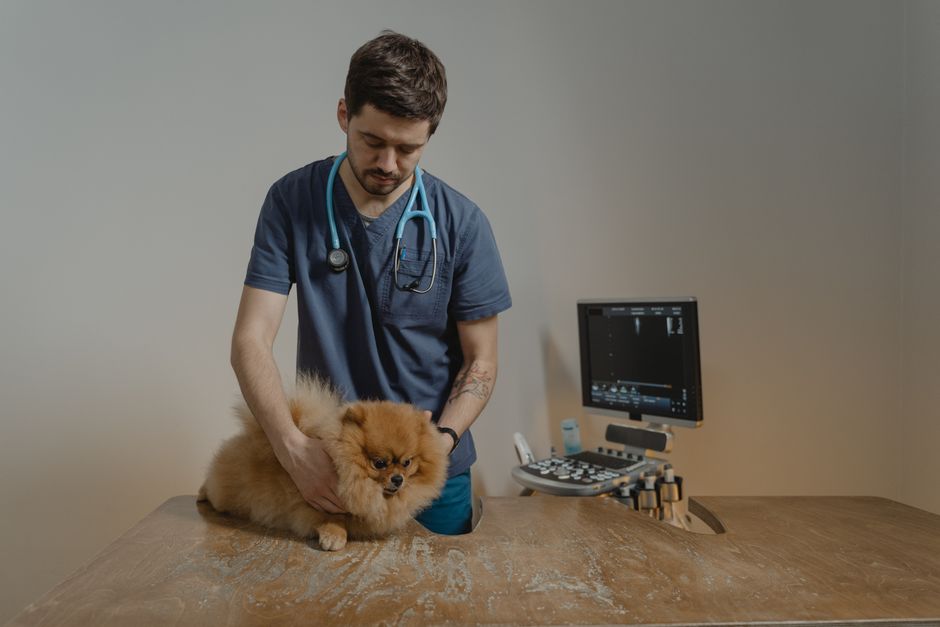
If your veterinarian refers your dog to 4 Paws Imaging for advanced diagnostics, you can expect a calm, pet-friendly environment and a collaborative approach to care. Most imaging studies, such as ultrasounds or echocardiograms, are non-invasive and require little or no sedation. Your pet will be gently positioned on a comfortable table while one of our experienced veterinary technicians supports them during the procedure. The imaging study itself typically takes between 20 and 60 minutes, depending on the area being examined.
Our veterinary team uses state-of-the-art equipment to capture high-resolution images, which are then reviewed by specialists. We work closely with your primary veterinarian, providing timely reports and recommendations. If further testing or follow-up imaging is needed, we will discuss all options with you and your family veterinarian to ensure your pet’s specific needs are addressed. For some heart-related studies, such as Holter monitoring, your dog may go home wearing a small, comfortable device that records heart activity over 24 to 48 hours, allowing us to detect intermittent issues that might otherwise be missed.
Can Lethargy in Dogs Be Prevented? Steps for Pet Owners
While not every cause of lethargy in dogs can be prevented, there are actionable steps every pet owner can take to reduce risk and support overall wellness. Routine veterinary checkups are crucial for early detection of underlying health issues; these visits allow your veterinarian to monitor for subtle changes that may not be obvious at home. Keeping your dog at a healthy weight, providing regular exercise, and maintaining a balanced diet tailored to their age and breed can help prevent metabolic and cardiac issues.
For dogs with known chronic conditions, such as heart disease or thyroid problems, following your veterinarian’s recommendations for monitoring—including scheduled imaging—can catch complications early. If you notice any changes in your dog’s behavior, appetite, or activity level, keep a journal of symptoms to share with your veterinary team. This information can be invaluable when determining the need for further testing, such as advanced imaging studies.
Ensuring your pet is up to date on vaccinations and parasite prevention also reduces the risk of infectious diseases that may cause sudden lethargy. If your dog is an intact female, discussing spaying with your veterinarian can help prevent reproductive emergencies like pyometra that can be life-threatening.
When to Seek Veterinary Imaging for Lethargy
Knowing when to move beyond basic diagnostics and seek advanced veterinary imaging can make a significant difference in your dog’s outcome. If your dog’s lethargy persists for more than 24 hours, worsens, or is accompanied by additional symptoms such as difficulty breathing, vomiting, diarrhea, coughing, pale gums, or collapse, it is important to consult your veterinarian promptly. Your primary veterinarian may recommend a referral to 4 Paws Imaging for specialized diagnostics if initial tests are inconclusive or if your dog has a complicated medical history.
Immediate veterinary care is especially urgent if your dog appears very weak, is unable to stand, or shows signs of pain or distress. Do not attempt to diagnose or treat unexplained lethargy at home, as delays in care can lead to serious complications. Advanced imaging is a powerful tool that, when used as part of a collaborative approach between your veterinarian and our specialty team, can quickly identify the cause and guide effective treatment.
Trust 4 Paws Imaging in Chicago When Lethargy in Dogs Has You Worried
Lethargy in dogs is always a reason for concern, and timely, accurate diagnosis is key to helping your pet regain their energy and quality of life. At 4 Paws Imaging, our dedicated veterinary professionals are here for you and your dog with state-of-the-art imaging technology, compassionate care, and a commitment to clear communication with both you and your primary veterinarian. Whether your pet needs an abdominal ultrasound, echocardiogram, thyroid ultrasound, or any of our other specialized imaging services, we are your trusted referral destination in Chicago and surrounding communities.
If you are searching for a specialty vet near me because you are worried about lethargy in dogs, our veterinary imaging team is ready to help. We encourage you to contact us directly or speak with your primary veterinarian about a referral to 4 Paws Imaging. To learn more about our advanced diagnostic services, visit our full range of imaging services, call us at (630) 746-1382, or visit our convenient location at 116 W Grand Avenue, Chicago, IL 60654. Your dog’s health and happiness are our highest priority, and we are here to provide answers when you need them most.
This blog is intended for informational purposes only and should not be used as a substitute for professional veterinary advice. If your dog is experiencing sudden or severe lethargy, please consult your veterinarian for an immediate evaluation.