When Does Your Dog or Cat Need an Abdominal Ultrasound?
When Does Your Dog or Cat Need an Abdominal Ultrasound?
If your dog or cat has been feeling unwell, experiencing digestive issues, or showing unexplained symptoms, you might be wondering whether advanced imaging like an abdominal ultrasound is necessary. At 4 Paws Imaging, located at 2581 Ogden Avenue, Downers Grove, IL 60515, we understand how concerning it can be when your pet is not acting like their usual self. Abdominal ultrasounds are powerful, non-invasive diagnostic tools that allow veterinarians to get a clear picture of what’s happening inside your pet’s body. In this blog, we will explore the signs that may prompt your veterinarian to recommend an ultrasound, explain how this technology works, outline what you can expect from the procedure, and share how our specialized imaging services help pets throughout Downers Grove and surrounding communities. By the end, you’ll have a much clearer understanding of when an abdominal ultrasound may be the right step for your pet’s health.
Recognizing the Signs: When Should You Consider an Abdominal Ultrasound for Your Pet?
Many pet owners find themselves asking whether certain symptoms in their dog or cat warrant advanced imaging. While not every upset stomach or skipped meal requires an ultrasound, there are specific signs that suggest a closer look is needed. Persistent vomiting, ongoing diarrhea, sudden weight loss, changes in appetite, abdominal swelling, visible discomfort, or unexplained lethargy can all indicate an underlying issue within the abdomen. Additionally, if you notice your pet straining to urinate, producing less urine, or showing blood in their urine, these are also reasons for concern. Sometimes, your veterinarian may detect abnormalities during a physical examination, such as a mass or an enlarged organ, which can also prompt a recommendation for an abdominal ultrasound.
The most important thing to remember is that symptoms in pets are often subtle and can develop gradually. For example, a cat who starts hiding more, or a dog who seems less interested in food, may be trying to tell you something deeper is wrong. Early detection through imaging can make a significant difference in both diagnosis and treatment. If your general practice veterinarian recommends an ultrasound, it is a reflection of their commitment to finding answers for your pet’s health challenges.
What Conditions Can an Abdominal Ultrasound Reveal?
Abdominal ultrasounds are used to investigate a wide range of conditions in dogs and cats. This technology allows veterinary professionals to examine the size, shape, and texture of organs such as the liver, spleen, kidneys, bladder, adrenal glands, pancreas, and intestines. Ultrasounds can help identify tumors, cysts, abscesses, or foreign objects that may be causing discomfort. They are also invaluable for diagnosing bladder stones, kidney disease, liver disease, and certain gastrointestinal problems.
For pets experiencing reproductive concerns, abdominal ultrasounds can confirm pregnancy and monitor fetal development. They are also used to guide the diagnosis of pyometra, a serious infection of the uterus in unspayed females. In cases involving trauma or injury, ultrasounds can quickly assess for internal bleeding or organ damage without the need for more invasive procedures.
Because an ultrasound creates real-time images, it also enables veterinarians to see how organs are functioning in the moment. This is especially helpful when evaluating blood flow or monitoring chronic conditions. At 4 Paws Imaging, our board-certified specialists use advanced equipment to deliver clear, precise images that support your veterinarian in making the most informed decisions for your pet’s care.
How Does an Abdominal Ultrasound Work for Dogs and Cats?
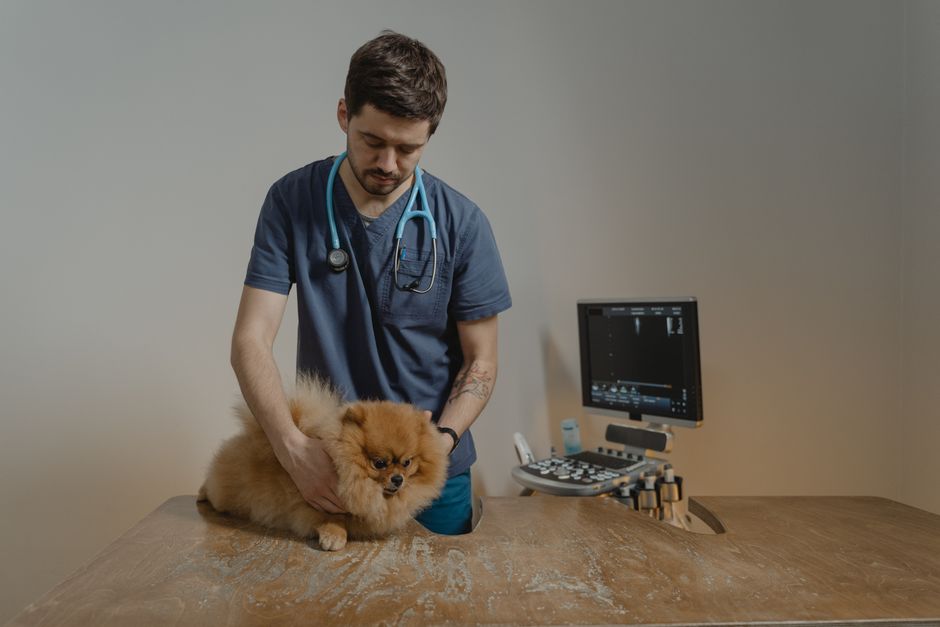
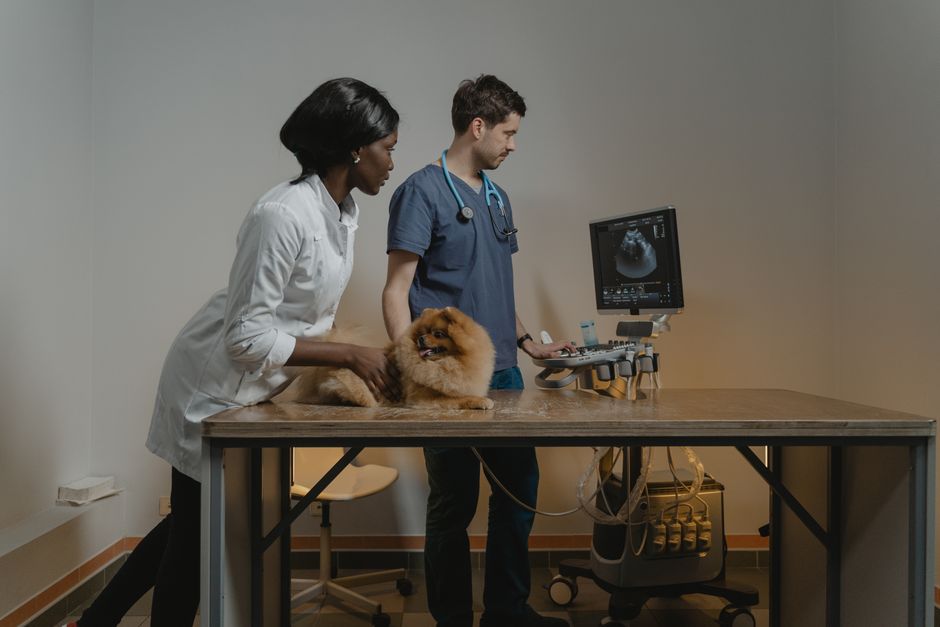
Understanding what happens during an abdominal ultrasound can help ease any anxieties you may have as a pet owner. The procedure is completely non-invasive and does not use radiation, making it very safe for both dogs and cats. Your pet will typically lie on a padded table while a veterinary professional gently applies a small amount of gel to the abdomen. A handheld probe, called a transducer, is then moved over the skin. This device sends sound waves into the body, which bounce back to create detailed images of the internal organs.
Most pets tolerate this procedure very well, and in many cases, sedation is not necessary. However, for especially anxious animals or those who have trouble staying still, a mild sedative may be given to ensure comfort and capture the best images possible. The process usually takes about 20 to 60 minutes, depending on the complexity of the case and the number of areas being examined.
Once the ultrasound is complete, the images are interpreted by a veterinary imaging specialist. At 4 Paws Imaging, our team collaborates closely with your referring veterinarian to share findings and recommendations. This level of expertise ensures that your pet receives the most accurate diagnosis and a tailored plan for next steps.
If you’d like to learn more about the specifics of this procedure, abdominal ultrasounds for pets are described in detail on our website.
The Role of Abdominal Ultrasounds in Treatment Planning
When your veterinarian has access to high-quality imaging, they are better equipped to develop a personalized treatment plan for your pet. Ultrasound findings can confirm or rule out certain diagnoses, which helps to avoid unnecessary procedures or treatments. For example, if your dog is experiencing repeated bouts of vomiting, an ultrasound can help determine whether the cause is a blockage, a tumor, or inflammation of the intestines. For cats, abdominal ultrasounds are essential in investigating weight loss, especially in older felines where conditions like kidney or liver disease are more common.
Ultrasounds are also used to guide minimally invasive procedures, such as taking a biopsy of an internal mass. This allows for tissue samples to be collected safely and with minimal discomfort. In emergency situations, such as trauma or sudden collapse, an ultrasound can quickly reveal internal bleeding or organ damage, allowing for fast intervention.
Ultimately, the information gained from an abdominal ultrasound can help your veterinary team make the best medical decisions, whether that involves medication, surgery, or ongoing monitoring.
Supporting Your Pet at Home: What You Can Do
While advanced imaging is best left to veterinary professionals, there are many ways you can support your pet’s health at home and prepare for an ultrasound if one is recommended. Monitoring your pet’s appetite, water intake, bathroom habits, and energy level can provide valuable information for your veterinarian. If you notice any changes, keeping a log of symptoms—including when they started and how severe they are—can be extremely helpful.
Before your pet’s ultrasound appointment, you may be asked to withhold food for several hours to ensure the best image quality. Always follow the specific instructions provided by your veterinary team, as preparation can vary depending on the area being examined. If your pet is taking medication or has special needs, let your veterinarian know in advance. Comforting your pet before and after the appointment, offering gentle praise, and bringing along a favorite toy or blanket can help reduce stress during the process.
Remember that your awareness and attentiveness at home are crucial for early detection. By working closely with your veterinary team, you’re giving your pet the best chance at a prompt diagnosis and successful treatment.
When to Seek Professional Veterinary Imaging
It’s important to recognize when a situation requires advanced diagnostics. If your pet’s symptoms are persistent, worsening, or include severe signs such as difficulty breathing, collapse, or severe pain, it is critical to seek veterinary care immediately. For less urgent but ongoing issues—such as chronic digestive problems, unexplained weight loss, or changes in urination—consulting with your primary care veterinarian is the first step. They may recommend referral to a specialty imaging provider like 4 Paws Imaging for a more comprehensive internal evaluation.
Our facility is dedicated exclusively to diagnostic imaging, and we work in partnership with your veterinarian to deliver precise results and clear answers. Whether your pet is a candidate for an abdominal ultrasound, an echocardiogram, or another specialized imaging procedure, our team of board-certified veterinary professionals will treat every patient with compassion and expertise.
Why Choose 4 Paws Imaging for Your Pet’s Abdominal Ultrasound in Downers Grove
At 4 Paws Imaging, we understand that your pet is a beloved member of your family. Our commitment to excellence means using state-of-the-art technology and collaborating with skilled veterinary professionals to provide advanced imaging services that support your pet’s health. Located conveniently at 2581 Ogden Avenue, Downers Grove, IL 60515, we proudly serve pet owners throughout Downers Grove and surrounding communities.
If your veterinarian has recommended an abdominal ultrasound or you are searching for a "specialty vet near me" who can provide answers for your dog or cat, our team is ready to help. For more information about abdominal ultrasounds for pets, or to schedule an appointment, please contact us at (630) 746-1382. Your pet’s health and comfort are our top priorities, and we look forward to supporting you with trusted, expert imaging services every step of the way.
This blog is intended for informational purposes only and does not replace professional veterinary advice. If you have concerns about your pet’s health, please consult your veterinarian.