When Persistent Lameness in Pets Calls for Diagnostic Imaging

When Persistent Lameness in Pets Calls for Diagnostic Imaging
When your pet starts limping or struggles to get up after a nap, it’s natural to worry. Is it a minor sprain or something more serious? Persistent lameness can affect your pet’s quality of life, making it difficult for them to enjoy daily walks, playtime, or even simple movements around the house. For pet owners in Downers Grove and surrounding communities, finding answers quickly is essential to help your companion get back on their paws. At 4 Paws Imaging, located at 2581 Ogden Avenue, Downers Grove, IL 60515, our veterinary imaging specialists offer advanced diagnostic imaging for limping pets to reveal underlying conditions that routine exams might miss. This blog will guide you through recognizing signs of lameness, understanding pet lameness causes, and knowing when advanced imaging like X-rays, ultrasounds, or CT scans might be necessary for your pet’s long-term mobility.
If your primary veterinarian suspects an orthopedic or soft tissue concern, they may refer you to a specialty vet near me for comprehensive imaging. As a dedicated diagnostic imaging provider, we help bridge the gap between uncertainty and answers with state-of-the-art technology and a compassionate approach. We’ll cover when to seek veterinary diagnostics in Downers Grove, what these procedures involve, and how our team supports your pet’s recovery every step of the way. For an overview of our full range of services, visit our diagnostic imaging services page.
Recognizing the Signs: When Is Limping a Concern?
Every pet has the occasional misstep or moment of clumsiness, but persistent lameness is a different story. You might notice your dog hesitating before jumping onto the couch or your cat favoring one leg after a play session. Key symptoms that signal concern include limping that lasts more than a day or two, repeated favoring of one leg, reluctance to climb stairs, or visible swelling around a joint. Pets may also exhibit behavioral changes; some become withdrawn, while others might vocalize more when moving or being touched in a specific area.
Changes in your pet’s gait, especially if they become more pronounced over time, can indicate a deeper issue. Other warning signs to watch for are decreased interest in walks or play, difficulty rising after rest, and licking or chewing at a sore limb. If you notice these signs, especially if your pet’s discomfort persists or worsens, it’s important to consult your family veterinarian. For cases where initial exams do not clarify the cause, referral to a specialist for diagnostic imaging for limping pets in Downers Grove may be recommended.
Understanding Pet Lameness Causes: More Than Just a Sprain
Lameness in pets can arise from a variety of underlying conditions. Common pet lameness causes include ligament injuries such as cranial cruciate ligament (CCL) tears in dogs, hip or elbow dysplasia, fractures, and joint luxations. Soft tissue strains, tendon injuries, and muscle tears also commonly lead to limping, particularly in active or older pets. Sometimes, the root issue is less obvious, such as bone infections, growth plate abnormalities in young animals, or even certain types of cancer that affect the bones or soft tissues.
Additionally, arthritis is a frequent culprit, especially in senior pets, causing chronic discomfort and reduced mobility. Neurological conditions, including intervertebral disc disease, can also manifest as limping or changes in gait. The complexity of pet lameness causes means that a physical exam alone may not always pinpoint the problem. When routine diagnostics do not provide clear answers, advanced veterinary diagnostics in Downers Grove and surrounding areas become crucial for accurate identification and effective treatment.
The Role of Diagnostic Imaging for Limping Pets
When your pet’s lameness persists and the cause remains uncertain, your primary veterinarian may recommend referral to a specialist for imaging studies. Diagnostic imaging for limping pets in Downers Grove utilizes cutting-edge technology to non-invasively visualize bones, joints, muscles, tendons, and internal organs.
When Are X-rays, Ultrasounds, or CT Scans Needed?
X-rays are often the first line of imaging, helping reveal fractures, joint instability, or arthritis. In cases where soft tissue injuries are suspected, such as ligament or tendon damage, ultrasonography provides detailed insight into structures that X-rays may not capture. For complex or subtle conditions, CT scans offer three-dimensional views, enabling veterinary professionals to identify hidden fractures, tumors, or abnormalities that standard imaging might miss.
Specialized studies, such as abdominal ultrasounds, can help rule out internal causes of lameness, while heart-related symptoms are best evaluated with advanced imaging like echocardiograms or electrocardiograms if cardiac issues are suspected to be contributing to overall weakness or reluctance to move. Our veterinary imaging team collaborates closely with your family veterinarian to select the most appropriate modality for your pet’s needs.
What to Expect During an Imaging Appointment
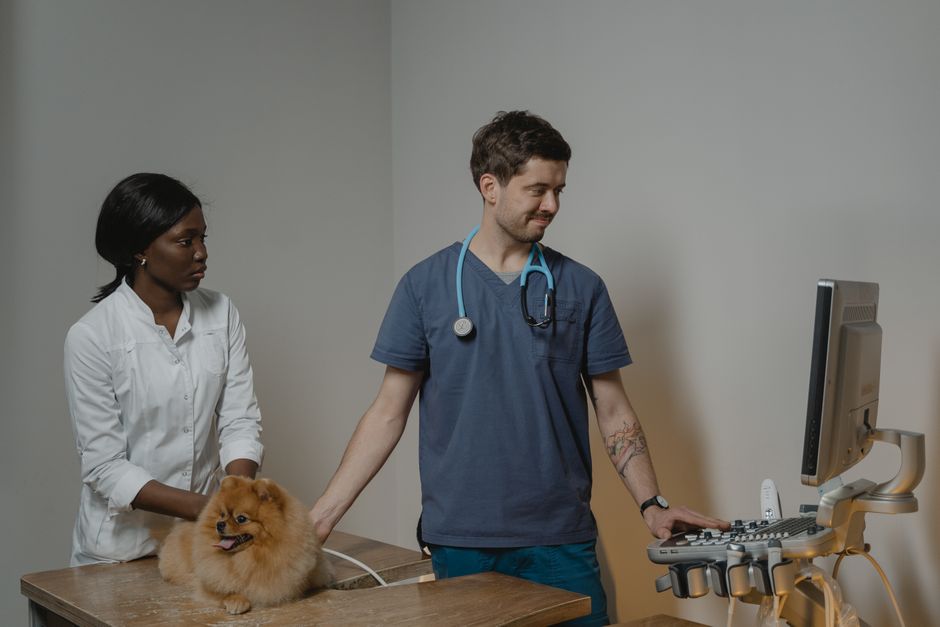
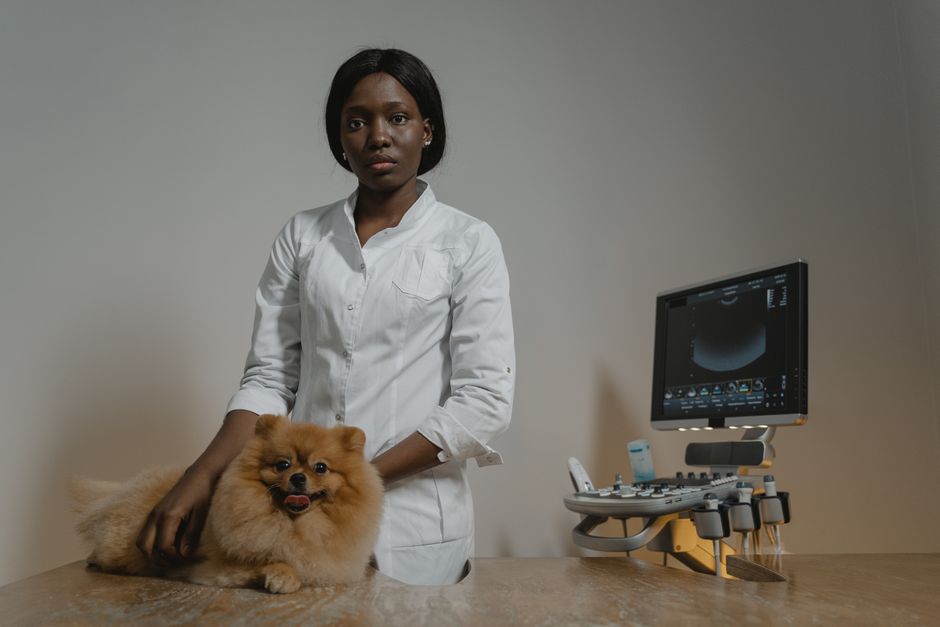
When you bring your pet to 4 Paws Imaging, our veterinary professionals begin with a thorough review of your pet’s history and symptoms, followed by a gentle physical assessment. Most imaging procedures are non-invasive and may require light sedation to keep your pet still and comfortable, particularly for detailed scans or if your companion is anxious. Our state-of-the-art equipment ensures high-quality images with minimal stress for your pet, and results are reviewed promptly to keep your referring veterinarian informed.
Treatment and Management: Guiding Next Steps
The findings from diagnostic imaging for limping pets help direct the next phase of care. If a fracture is detected, your veterinarian may recommend surgical intervention or external stabilization. Soft tissue injuries, once confirmed, can be managed with rest, anti-inflammatory medications, or physical rehabilitation tailored to the specific diagnosis. Chronic conditions like arthritis may benefit from joint supplements, weight management plans, and ongoing pain control strategies.
For pets with more complex diagnoses, such as bone tumors or advanced orthopedic disease, further referral to specialty surgeons or oncologists may be appropriate. Our imaging team supports these transitions by providing clear, detailed reports and ongoing communication with your family veterinarian. In cases where imaging uncovers systemic issues, your veterinarian may recommend additional specialized studies, such as thyroid ultrasound for suspected endocrine disorders.
Home Care and Prevention: Supporting Your Pet’s Recovery
While advanced imaging is a vital tool for diagnosis, pet owners play a key role in their companion’s recovery. Steps to support healing include adhering to prescribed rest periods, administering medications as directed, and monitoring for any changes in mobility or behavior. Creating a safe, slip-free environment at home helps reduce the risk of further injury, especially for pets recovering from orthopedic procedures.
Weight management is another crucial factor; excess weight places additional strain on joints and can exacerbate lameness in pets with arthritis or structural problems. Regular, gentle exercise—as advised by your veterinarian—supports muscle strength and flexibility. For pets prone to orthopedic issues, early intervention and routine veterinary check-ups can help detect problems before they become severe. If you have concerns about mobility or notice even subtle signs of discomfort, seeking veterinary diagnostics near me can lead to early answers and more effective treatment.
When to Seek Advanced Veterinary Imaging: Clear Guidelines for Pet Owners
Knowing when to escalate from a general veterinary exam to advanced imaging can be challenging. Persistent lameness that does not improve after a few days of rest, sudden inability to bear weight, visible deformity, or signs of significant pain such as yelping or aggression warrant immediate veterinary attention. If your veterinarian’s initial workup does not identify the cause, they may refer you to a specialist veterinarian near me for advanced imaging.
For pets with underlying medical conditions, senior animals, or those who have sustained trauma, timely imaging can make a significant difference in outcomes. Our team at 4 Paws Imaging is dedicated to collaborating with local veterinarians throughout Downers Grove and surrounding communities, ensuring your pet receives the most accurate diagnosis and tailored treatment plan possible.
Conclusion: Taking Action for Your Pet’s Mobility and Wellbeing
Persistent lameness should never be ignored, as it often signals a problem that requires investigation beyond a physical exam. With advanced diagnostic imaging for limping pets in Downers Grove, pet owners can access answers that lead to targeted, effective care. At 4 Paws Imaging, our team of veterinary imaging specialists is committed to providing clear, compassionate support for both you and your family veterinarian—from the initial scan through every step of your pet’s recovery.
If your pet is limping or showing ongoing discomfort, don’t wait for symptoms to worsen. Speak with your primary veterinarian about a referral, or contact our team directly at (630) 746-1382 for information on our advanced imaging services. We are here to serve Downers Grove and surrounding communities, providing the expertise you need when searching for a specialist vet near me. To learn more about the specific procedures we offer, visit our detailed diagnostic imaging services page. At 4 Paws Imaging, we are passionate about helping pets regain their mobility and ensuring you have peace of mind every step of the way.
Please note: This blog is intended for informational purposes only and does not replace professional veterinary advice. Always consult your veterinarian for diagnosis and treatment recommendations tailored to your pet’s individual needs.
References: