Why Your Dog Might Need an Electrocardiogram in Chicago
Why Your Dog Might Need an Electrocardiogram in Chicago
If your veterinarian has recommended an electrocardiogram (ECG) for your dog, you may be feeling uncertain or even worried about what this means for your pet’s health. Many dog owners in Chicago and surrounding communities wonder what exactly an ECG reveals, why it is necessary, and how the process will affect their beloved companion. At 4 Paws Imaging, located at 116 W Grand Avenue, Chicago, IL 60654, our team of board-certified specialists is dedicated to providing advanced cardiac diagnostics in a caring, stress-free environment for dogs of every breed, age, and size.
In this guide, we’ll explain what an electrocardiogram is, the types of symptoms and situations that prompt veterinarians to recommend one, and how our experienced veterinary professionals at 4 Paws Imaging ensure the process is as comfortable as possible for your dog. We’ll cover what to expect when your dog comes in for an ECG, what information this test can reveal, and how it fits into a larger picture of your dog’s heart health. By the end, you’ll know why an ECG may be a crucial step in understanding and protecting your dog’s heart, and why Chicago area pet owners trust our team for specialized veterinary imaging services. If you’re interested in learning more about this essential diagnostic tool, visit our electrocardiogram veterinary service for pets in Chicago page for detailed information.
Recognizing When Your Dog May Need an Electrocardiogram
It’s natural for owners to wonder what signs or symptoms might lead a veterinarian to suggest an ECG for their dog. While many dogs appear outwardly healthy, underlying heart conditions can sometimes go unnoticed until more obvious symptoms develop. Key warning signs that might prompt an ECG include episodes of fainting or collapse, noticeable weakness or exercise intolerance, persistent coughing that is not related to respiratory infections, and abnormal breathing patterns such as rapid or labored breathing. Your veterinarian may also notice irregular heart rhythms during a routine physical exam, which is another common reason for recommending an ECG. Additionally, if your dog has a history of heart murmurs, congenital heart defects, or is a breed at higher risk for cardiac disease, more advanced screening with an ECG may be advised even in the absence of clear outward symptoms.
Some dogs may show subtle behavioral changes such as reluctance to go on walks, decreased interest in play, or tiring more quickly than usual. In senior dogs, symptoms of heart disease can sometimes be mistaken for normal aging, making cardiac screening even more important. If you observe any sudden changes in your dog’s activity level, unexplained weakness, or signs of respiratory distress, it is important to consult your primary veterinarian promptly. In many cases, your general practitioner will refer your dog to a specialty imaging center like 4 Paws Imaging for advanced diagnostic testing, including ECGs, to get a more comprehensive understanding of your dog’s heart health.
Understanding Heart Health Concerns in Dogs
Many dog owners are surprised to learn just how common cardiac conditions can be, particularly as dogs age. Heart disease in dogs can be caused by a variety of factors, including genetics, age, underlying medical conditions, or even infections affecting the heart muscle. Some breeds, such as Boxers, Dobermans, and Cavalier King Charles Spaniels, are genetically predisposed to certain types of heart disease and arrhythmias. However, heart problems can affect any dog at any stage of life.
The heart is responsible for pumping oxygen-rich blood throughout your dog’s body, and any disruption to its normal rhythm or function can have serious consequences. Electrical signals in the heart control the timing and strength of each heartbeat, and when these signals become abnormal, arrhythmias or irregular heartbeats can develop. Sometimes, these irregularities are harmless, but in other cases, they can be a sign of more serious underlying disease. Early detection is key, as some cardiac conditions can be managed effectively with medication or lifestyle changes when caught in the early stages.
In some cases, heart problems may be secondary to other health conditions, such as thyroid disease or high blood pressure. For this reason, veterinarians sometimes recommend an ECG as part of a broader diagnostic evaluation, especially if your dog is experiencing unexplained symptoms or has risk factors for cardiac disease. The ECG provides valuable information that cannot always be gathered from a physical examination or basic bloodwork alone.
How an Electrocardiogram Works and What to Expect at 4 Paws Imaging
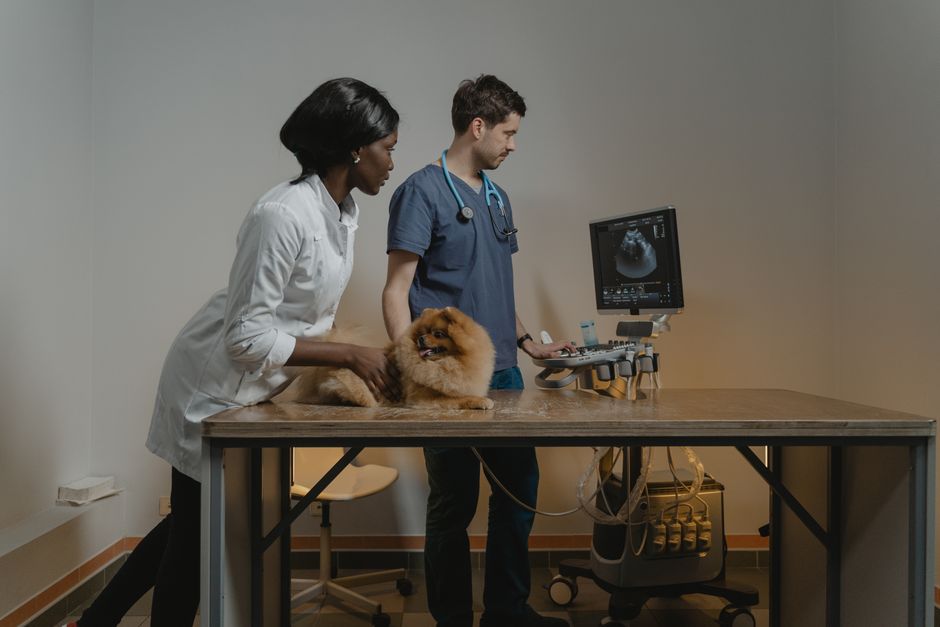
When your dog is referred to 4 Paws Imaging for an electrocardiogram, you can expect a gentle, thorough process designed for your dog’s comfort and safety. An ECG is a non-invasive test that records the electrical activity of your dog’s heart over a short period. By attaching small electrodes to specific points on your dog’s body, our veterinary team can capture a detailed tracing of heartbeats, rhythms, and any abnormalities present.
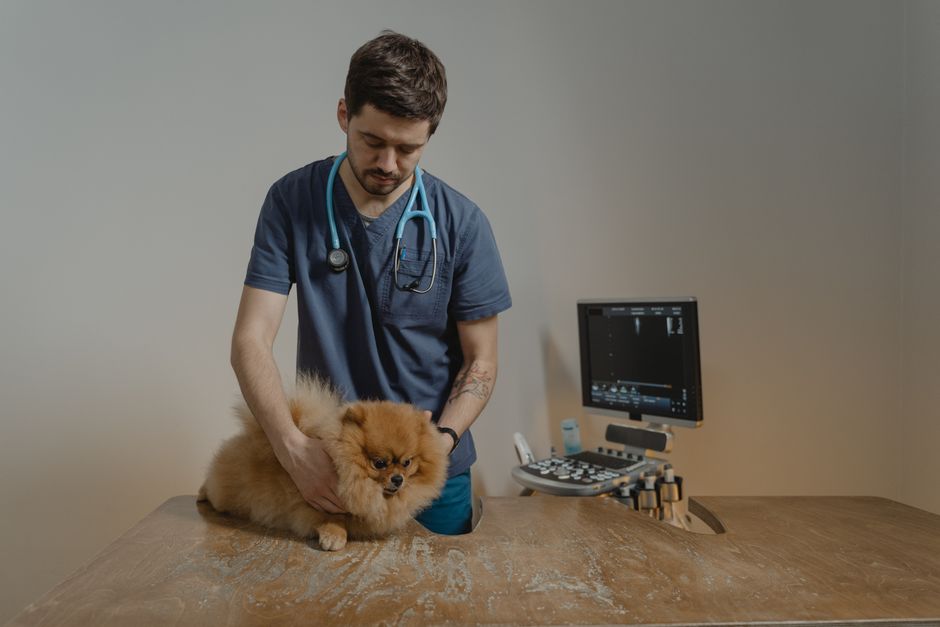
The test itself is painless and does not require sedation in most cases. Dogs are typically allowed to relax on a soft, comfortable surface while the electrodes are placed and the recording is made. The procedure usually takes just a few minutes, although our team will always move at your dog’s pace to minimize stress. Some dogs may be a little nervous about the unfamiliar environment, which is why our specialists use gentle handling techniques and positive reinforcement throughout the visit.
The data collected during the ECG provides a wealth of information about your dog’s heart health. It allows our board-certified specialists to identify arrhythmias, conduction abnormalities, and other signs of underlying heart disease. In some cases, an ECG may be combined with additional diagnostic tests such as echocardiograms or Holter monitors for a more complete cardiac assessment. If your dog has been referred for ongoing monitoring or has a history of complex heart disease, our team can coordinate with your primary veterinarian to ensure all test results are integrated into your dog’s overall care plan. To learn more about advanced cardiac diagnostics available for pets, explore our Holter monitor service for advanced cardiac diagnostics in pets.
Why an Electrocardiogram Is So Important for Your Dog’s Heart Health
The value of an electrocardiogram lies in its ability to reveal problems that are not always detectable through a stethoscope or routine examination. While a veterinarian may suspect an arrhythmia based on what they hear, an ECG provides a visual record of your dog’s heart electrical activity, allowing for accurate diagnosis and appropriate treatment planning. Conditions such as atrial fibrillation, ventricular tachycardia, and heart block can all be identified with an ECG, many of which require specialized management to prevent complications.
In dogs with diagnosed heart disease, an ECG helps guide treatment decisions and monitor how well therapies are working. It is also an essential tool for evaluating dogs before anesthesia, especially if your dog is scheduled for surgery or dental procedures and has a known or suspected heart condition. By identifying potential risks ahead of time, our team can help ensure your dog’s safety during any procedure.
For dogs on certain medications, routine ECG monitoring is sometimes recommended to watch for side effects that could affect the heart rhythm. This proactive approach is particularly important for breeds at higher risk or for dogs with a history of fainting, collapse, or unexplained episodes of weakness.
What You Can Do at Home to Support Your Dog’s Heart Health
While some cardiac conditions are unavoidable due to genetics or age, there are important steps you can take at home to help your dog maintain a healthy heart. Regular exercise appropriate for your dog’s breed and age, a balanced diet, and maintaining a healthy weight are all crucial factors. Avoid exposing your dog to secondhand smoke, as this can increase the risk of cardiac and respiratory issues. Keeping up with routine veterinary check-ups allows your veterinarian to detect subtle changes early, and timely intervention can make a significant difference in outcomes.
If your dog has already been diagnosed with a heart condition, following your veterinarian’s recommendations regarding medication, activity modifications, and follow-up testing is essential. Monitor your dog for any changes in breathing, coughing, or exercise tolerance and keep notes to share with your veterinary team. In some cases, your veterinarian may recommend periodic cardiac screening or specialized imaging to track your dog’s condition over time.
Creating a low-stress home environment and minimizing factors that could trigger anxiety or overexertion is also helpful, especially for dogs with known heart disease. If you ever have concerns about your dog’s heart health or notice sudden changes, do not hesitate to reach out to your primary veterinarian for guidance.
When to Seek Veterinary Care for Heart Concerns
Knowing when to seek professional help is vital for your dog’s wellbeing. If your dog experiences fainting, collapses, has difficulty breathing, or develops a persistent cough, immediate evaluation by a veterinarian is recommended. These symptoms can indicate serious heart problems that require prompt attention. Your primary veterinarian will determine whether referral to a specialty imaging center like 4 Paws Imaging is appropriate based on their initial findings.
In situations where your dog has a known heart condition and symptoms suddenly worsen, or if you observe any new signs that concern you, do not delay contacting your veterinary team. Early intervention often leads to better outcomes, and our specialists are here to provide advanced diagnostics and support as needed.
If your veterinarian has suggested an electrocardiogram or you are seeking a second opinion about your dog’s heart health, our team is available to work closely with your primary care provider. You can find more details about what to expect from our electrocardiogram veterinary service for pets in Chicago on our website.
Trust 4 Paws Imaging for Compassionate Cardiac Care in Chicago
Your dog’s heart health is too important to leave to chance. At 4 Paws Imaging, our board-certified specialists and experienced veterinary team are dedicated to providing the most advanced cardiac diagnostics available in Chicago and surrounding communities. We work closely with your primary veterinarian to ensure seamless communication and continuity of care, giving your dog the best possible chance for a healthy, active life.
If you have been searching for a specialty cardiology vet near me, rest assured that our team is committed to a gentle, stress-free experience for every dog we see. To schedule an appointment or speak with one of our veterinary professionals about your dog’s cardiac needs, call us at (630) 746-1382 or visit our electrocardiogram veterinary service for pets in Chicago page for more information. Our location at 116 W Grand Avenue, Chicago, IL 60654 is easily accessible for pet owners throughout the area.
Whatever your concerns, our compassionate team is here to help guide you through every step of your dog’s cardiac care journey. If you have any questions or need support, don’t hesitate to reach out to 4 Paws Imaging—where your dog’s heart is always in good hands.