Cat Echocardiogram: Early Detection for Feline Heart Health

Cat Echocardiogram: Early Detection for Feline Heart Health
If you are concerned about your cat’s heart health, you are not alone. Heart disease in cats can be subtle and difficult to detect without specialized diagnostic tools. At 4 Paws Imaging, located at 116 W Grand Avenue, Chicago, IL 60654, we understand how important it is for pet owners to get clear answers when it comes to their feline companion’s well-being. That is why our veterinary team is dedicated exclusively to advanced imaging services, offering state-of-the-art diagnostics such as the cat echocardiogram. This non-invasive procedure allows our board-certified specialists to detect heart conditions early, often before your cat shows obvious signs of illness. In this blog, we will discuss the signs that may indicate your cat needs a heart evaluation, explain the causes of feline heart disease, walk you through what to expect during a cat echocardiogram, and highlight why specialized imaging is so critical for your cat’s long-term health. If you live in Chicago or surrounding communities and want the best for your cat, 4 Paws Imaging is here to help.
Recognizing Signs of Heart Disease in Cats
Heart disease in cats is often called a “silent killer” because symptoms can be subtle or mistaken for other conditions. As a pet owner, it is essential to be vigilant and notice any changes in your cat’s behavior or physical condition. Some key symptoms include rapid or labored breathing, unexplained weight loss, decreased appetite, lethargy, or reluctance to exercise and play. Additionally, you might notice fainting episodes, coughing, or an increased resting respiratory rate. In some cases, the only clue might be a soft, persistent cough or a change in your cat’s normal grooming and sleeping habits. Since cats are masters at hiding discomfort, even mild signs should never be ignored. If you observe any of these changes, contacting your primary veterinarian is an important first step, and referral for advanced cardiac diagnostics such as a cat echocardiogram may be recommended.
Understanding Feline Heart Disease: Causes and Risk Factors
Feline heart disease can develop for a variety of reasons, and understanding these causes can help you stay proactive about your cat’s health. The most common heart condition in cats is hypertrophic cardiomyopathy (HCM), a disease where the heart muscle thickens, making it harder for the heart to pump blood efficiently. Genetics play a significant role, with breeds such as Maine Coons, Ragdolls, and British Shorthairs being at higher risk. Other factors contributing to heart disease may include hyperthyroidism, high blood pressure, congenital heart defects, or chronic kidney disease. Secondary heart problems can also arise from infections or certain systemic illnesses.
Environmental stress and poor nutrition are less common causes, but they can exacerbate underlying heart problems. It is not unusual for heart disease to progress silently for months or even years before a cat shows any signs, which is why routine health checks and being aware of breed predispositions are so important. When a veterinarian detects a heart murmur or abnormal rhythm during a physical exam, they may refer your cat for advanced imaging like an echocardiogram to get a definitive diagnosis.
How a Cat Echocardiogram Works: What to Expect
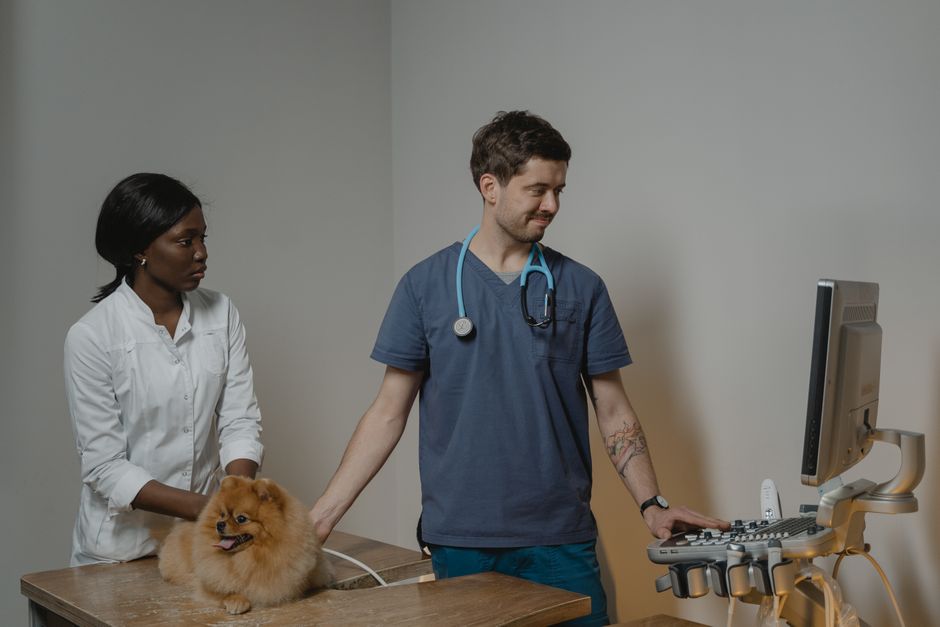
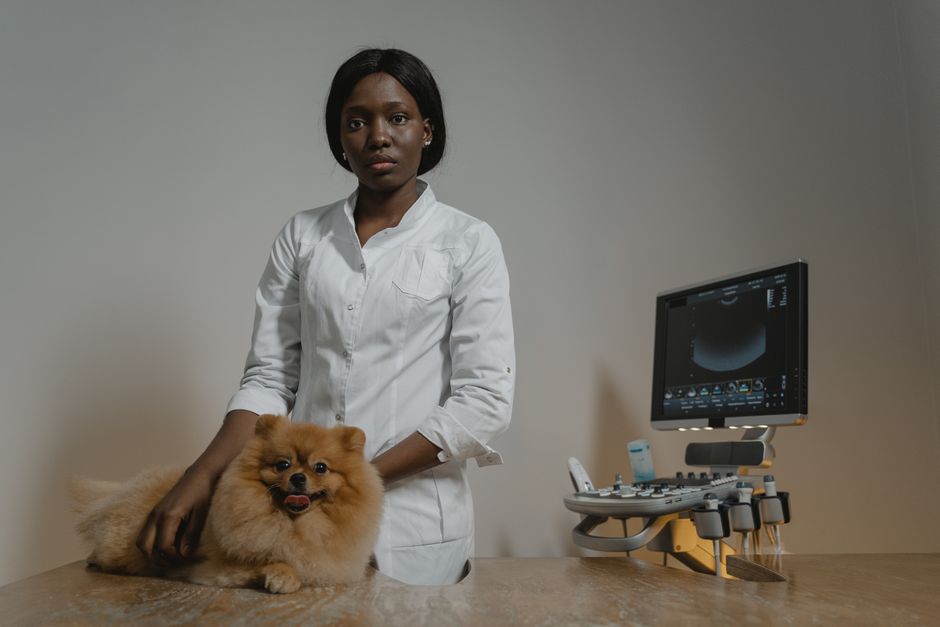
A cat echocardiogram is an advanced, non-invasive ultrasound examination of your cat’s heart, performed by a veterinary imaging specialist. At 4 Paws Imaging, our board-certified specialists use high-resolution ultrasound equipment to create real-time images of the heart’s structure and function. This procedure is safe, painless, and usually does not require sedation for most cats.
During the appointment, your cat will be gently positioned on a padded table. The fur on your cat’s chest may be clipped to ensure clear images, and a special ultrasound gel is applied. The imaging specialist will use a handheld probe to capture detailed images and videos of the heart in action, assessing heart chamber size, wall thickness, valve function, and blood flow patterns. The entire process typically takes 30 to 60 minutes; most cats tolerate it very well, especially with our team’s calm and compassionate approach.
One of the advantages of a cat echocardiogram is its ability to distinguish between different types of heart disease, such as differentiating HCM from other cardiomyopathies or identifying congenital defects. Once the echocardiogram is complete, the images are interpreted by a board-certified veterinary cardiologist, who provides a comprehensive report to your referring veterinarian. This collaborative approach ensures your cat receives the most accurate diagnosis and best possible care. To learn more about this advanced heart screening, visit our page on echocardiogram ultrasounds.
The Importance of Early Detection in Feline Heart Health
Early detection of heart disease in cats can make a significant difference in your cat’s quality of life and prognosis. Many heart conditions can be managed more effectively when caught in the early stages, before irreversible damage occurs. Timely intervention can slow disease progression, improve comfort, and reduce the risk of sudden complications such as heart failure or blood clots.
A cat echocardiogram can detect subtle changes in heart function long before outward symptoms become apparent. This is especially important for cats with risk factors, such as certain breeds or those with pre-existing conditions like hyperthyroidism. Early diagnosis can also help your veterinarian tailor treatment plans, whether that involves medication, dietary adjustments, or regular monitoring. In some cases, knowing the specific type and severity of heart disease can help guide decisions about anesthesia for dental work or other procedures, minimizing the risk of complications.
Advancements in Veterinary Cardiac Imaging
The field of veterinary diagnostic imaging has advanced rapidly in recent years, providing pet owners with more precise and less invasive ways to evaluate feline heart health. At 4 Paws Imaging, we are proud to offer technology that includes not only echocardiograms but also electrocardiograms (ECG) and Holter monitors for extended heart rhythm assessment. These complementary tools allow our veterinary professionals to capture a complete picture of your cat’s cardiac function, whether your cat is experiencing intermittent symptoms or has a known heart condition that requires ongoing monitoring.
By working closely with your primary veterinarian, we help ensure that your cat’s care is tailored to their unique needs. Our imaging services are designed to answer the most pressing questions about your cat’s heart health, giving you peace of mind and empowering you to make informed decisions.
What Pet Owners Can Do at Home
While advanced diagnostics like a cat echocardiogram are essential for definitive diagnosis, there are practical steps you can take at home to support your cat’s heart health. Regularly observe your cat’s breathing rate when resting; a normal rate is typically under 30 breaths per minute. If you notice persistent increases in breathing rate, labored breathing, or sudden changes in activity, contact your veterinarian promptly. Maintaining a healthy weight, providing balanced nutrition, and scheduling regular veterinary check-ups—especially for at-risk breeds—can all contribute to early detection of problems.
If your veterinarian recommends additional screening based on your cat’s physical exam or risk factors, being proactive and following through with advanced imaging can make all the difference. Remember, most heart conditions in cats are not preventable, but early detection and management are key to improving your cat’s comfort and longevity.
When to Seek Professional Veterinary Imaging
Knowing when to seek specialized imaging can be challenging, but as a general guideline, any cat with a newly detected heart murmur, unexplained symptoms, or a history of heart disease should be evaluated promptly. Cats with known risk factors, such as those with hyperthyroidism, high blood pressure, or certain genetic backgrounds, also benefit from routine cardiac assessments.
If your primary veterinarian has recommended a referral for advanced cardiac imaging, the next step is to schedule an appointment with a specialized team like ours at 4 Paws Imaging. We collaborate closely with referring veterinarians to ensure that your cat receives the highest standard of care, from initial imaging through follow-up recommendations. For owners in Chicago and nearby neighborhoods, our convenient location and extended hours make it easy to access the services your cat needs.
Why Choose 4 Paws Imaging for Your Cat’s Echocardiogram
At 4 Paws Imaging, we are passionate about providing the highest quality diagnostic imaging exclusively for pets. Our focus on advanced technology, skilled interpretation by board-certified specialists, and compassionate care sets us apart as a trusted resource for cat owners throughout Chicago and the surrounding communities. Whether your cat has been referred for a routine heart screening or you are seeking answers to concerning symptoms, our veterinary professionals are here to guide you every step of the way.
We understand that having a cat undergo advanced diagnostics can be stressful, and we are committed to making the process as smooth and comfortable as possible for both you and your cat. Our team takes the time to answer your questions, explain the results, and support you in making informed choices about your cat’s care. If you would like to learn more about all of our imaging services, including abdominal and thyroid ultrasound, please visit our services overview page.
Take the Next Step for Your Cat’s Heart Health
If you are searching for a specialty vet near me to help protect your cat’s heart health, 4 Paws Imaging is your partner in advanced veterinary diagnostics. Early detection through a cat echocardiogram can be life-changing, and our team is here to provide the expert care and support you and your cat deserve. To schedule an appointment or discuss a referral, call us at (630) 746-1382 or visit us at 116 W Grand Avenue, Chicago, IL 60654.
Your cat’s heart health matters to us. The veterinary professionals at 4 Paws Imaging are dedicated to delivering answers, peace of mind, and a compassionate experience for every cat and every owner we serve.
This article is for informational purposes only and does not replace professional veterinary advice. Always consult your veterinarian for individual recommendations regarding your cat’s health.