Cat Echocardiogram: What Chicago Pet Owners Should Know

Cat Echocardiogram: What Chicago Pet Owners Should Know
When your cat’s veterinarian mentions a heart murmur, arrhythmia, or other cardiac concern, it can feel overwhelming and leave you with many questions. One of the most advanced and informative tools available for evaluating feline heart health is the cat echocardiogram. At 4 Paws Imaging, located at 116 W Grand Avenue, Chicago, IL 60654, our team of board-certified imaging specialists provides state-of-the-art echocardiography and other advanced diagnostics to help Chicago pet owners get clear, accurate answers about their cat’s heart. This blog will walk you through what a cat echocardiogram is, when it may be needed, what to expect during the procedure, and how our specialty imaging services can support your cat’s health. If your veterinarian has recommended a heart ultrasound for your feline companion, understanding the process can help you feel more confident and prepared.
Recognizing When Your Cat Might Need an Echocardiogram
Cats are masters at hiding illness, especially when it comes to heart disease. In many cases, early heart conditions cause subtle or no symptoms at all, which is why your primary care veterinarian may detect a heart murmur or irregular rhythm during a routine checkup. Key signs that could indicate heart trouble in cats include increased respiratory rate, labored or rapid breathing, open-mouth breathing, lethargy, decreased appetite, or episodes of fainting or collapse. Some cats may simply seem less active or hide more often. If your cat is showing any of these symptoms, an echocardiogram might be recommended to assess the heart’s structure and function in detail.
A cat echocardiogram is commonly advised when your veterinarian hears a new or changing heart murmur, suspects hypertrophic cardiomyopathy (HCM), or observes abnormal findings on an X-ray or electrocardiogram (ECG). It can also be valuable for monitoring known heart conditions or evaluating cats before anesthesia or breeding. Understanding how these signs relate to your cat’s overall cardiac health is crucial in determining the next steps for diagnosis and care.
Understanding Feline Heart Disease and Why It Happens
Heart disease in cats is more common than many pet owners realize. The most frequently diagnosed cardiac condition in cats is hypertrophic cardiomyopathy, a disease that causes the heart muscle to thicken and function less efficiently. While genetics play a significant role—especially in breeds such as Maine Coons and Ragdolls—other causes can include high blood pressure, thyroid disease, and rarely, congenital defects present from birth.
Cats with heart conditions often show few outward signs until the disease has advanced. This silent progression makes accurate and early diagnosis especially important. An echocardiogram uses sound waves to create real-time images of the heart, allowing specialists to visualize the heart’s chambers, valves, and blood flow. This detailed view helps differentiate between types of heart disease, determine severity, and guide the most appropriate treatment plan for your cat.
What Is a Cat Echocardiogram? The Process and What to Expect
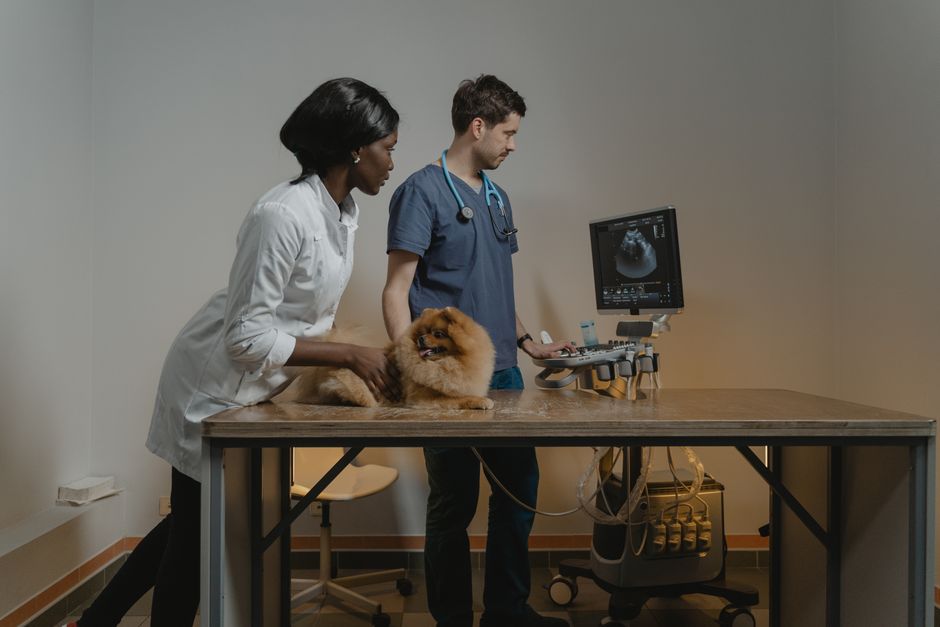
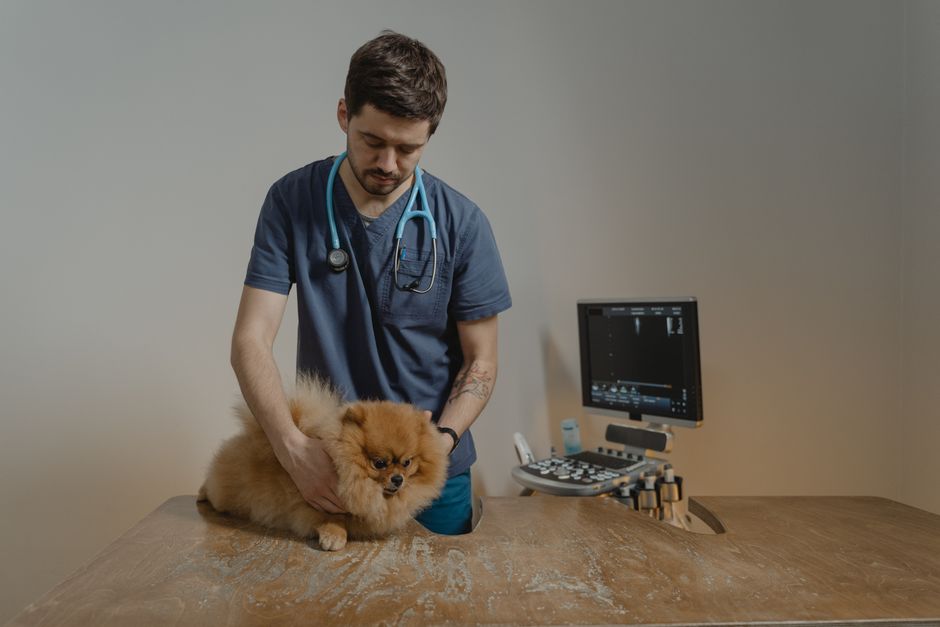
A cat echocardiogram, sometimes referred to as a cardiac ultrasound, is a non-invasive and painless imaging procedure. The process involves placing a small probe on your cat’s chest after gently shaving a patch of fur for optimal contact. Your cat is typically awake for the procedure, with gentle restraint and a calm environment to minimize stress.
During the echocardiogram, our imaging specialists use advanced ultrasound technology to capture moving images and measurements of your cat’s heart. The procedure usually takes between 30 and 60 minutes, depending on your cat’s tolerance and the complexity of the case. Results are interpreted by a board-certified veterinary cardiologist, who will provide a detailed report to your referring veterinarian. This collaboration ensures your cat receives the most accurate diagnosis and a tailored treatment plan.
If your veterinarian is also concerned about your cat’s heart rhythm or electrical activity, they may recommend a Holter monitor or an electrocardiogram (ECG) in addition to the echocardiogram. These tests provide further insight into heart function and help guide therapy decisions.
How a Cat Echocardiogram Guides Treatment and Monitoring
An echocardiogram provides a comprehensive picture of your cat’s heart health, revealing not only structural changes but also functional abnormalities. Results can show if the heart muscle is thickened, if the valves are leaking, or if there is fluid accumulation around the heart. These findings are essential for diagnosing conditions such as hypertrophic cardiomyopathy, restrictive or dilated cardiomyopathy, congenital defects, or acquired valve disease.
Depending on the results, your veterinarian may recommend medications to manage heart function, reduce fluid buildup, or control abnormal rhythms. In some cases, lifestyle adjustments—such as minimizing stress or adjusting activity—may also be advised. Regular follow-up echocardiograms are often necessary to monitor disease progression and ensure treatments are working. Our team at 4 Paws Imaging works closely with your primary veterinarian to provide ongoing support and updated recommendations based on your cat’s needs.
What You Can Do at Home to Support Your Cat’s Heart Health
While some causes of heart disease in cats cannot be prevented, there are steps you can take to support your cat’s overall wellbeing. Regular veterinary checkups are essential for early detection, as many heart conditions are silent in the initial stages. Monitoring your cat for changes in breathing, appetite, or energy level can help catch problems early. Ensure your cat maintains a healthy weight, as obesity can put extra strain on the heart. If your cat is diagnosed with a heart condition, administering prescribed medications as directed and following up with recommended rechecks are key steps in management.
For cats with concurrent conditions such as hyperthyroidism, a thyroid ultrasound may also be recommended to evaluate gland structure and rule out related complications. Open communication with your primary care veterinarian and imaging specialists ensures your cat receives the best possible care at every stage.
When to Seek Advanced Veterinary Imaging for Your Cat
If you notice any signs of heart disease or your veterinarian recommends a cat echocardiogram, timely action is essential. Sudden changes in breathing, episodes of collapse, or severe lethargy require immediate veterinary attention. In less urgent cases—such as a newly detected heart murmur or changes in heart rhythm—your veterinarian may refer you to a specialty imaging provider like 4 Paws Imaging for further evaluation. Our state-of-the-art facility and experienced veterinary team are equipped to provide the advanced diagnostics your cat needs in a supportive, low-stress environment.
When searching for a specialty vet near me in the Chicago area, it’s important to choose a practice with experienced professionals and dedicated cardiac imaging services. Our board-certified specialists collaborate with your regular veterinarian to ensure your pet receives the highest standard of care.
Why Choose 4 Paws Imaging for Cat Echocardiogram in Chicago?
Accurate diagnosis is the cornerstone of effective treatment for feline heart disease. At 4 Paws Imaging, our focus on advanced diagnostic imaging means your cat benefits from the latest technology, expert interpretation, and compassionate handling. We serve pet owners throughout Chicago and surrounding communities, making it easy to access specialty imaging when your cat needs it most. Our convenient location at 116 W Grand Avenue, Chicago, IL 60654 puts us at the heart of the city’s veterinary medical community.
Whether your veterinarian has recommended an echocardiogram for a newly discovered heart murmur, ongoing monitoring of a heart condition, or pre-anesthetic evaluation, our goal is to provide clear answers and peace of mind. We are committed to making the specialty referral process as seamless as possible for both you and your cat.
Take the Next Step for Your Cat’s Heart Health
If you have questions about your cat’s heart or need to schedule a cat echocardiogram in Chicago, our imaging specialists are here to help. Our compassionate veterinary team will guide you through every step, from the initial evaluation to communicating results with your primary veterinarian. For more information about echocardiogram ultrasounds and how they can benefit your pet, explore our detailed page on echocardiogram ultrasounds for cats. If you are looking for a specialty vet near me that provides advanced cardiac imaging with a gentle touch, look no further than 4 Paws Imaging.
To schedule your cat’s appointment or discuss your vet’s referral, contact our team at (630) 746-1382 or visit us at 116 W Grand Avenue, Chicago, IL 60654. We look forward to supporting your cat’s health and providing the answers you need for peace of mind.
This blog post is intended for educational purposes only and should not be used as a substitute for professional veterinary advice. Always consult your veterinarian for specific guidance about your cat’s health and diagnostic needs.