Cat Ultrasound: Detecting Hidden Health Problems Early
Cat Ultrasound: Detecting Hidden Health Problems Early
If you are concerned about your cat’s health, waiting for visible symptoms to appear can sometimes mean missing the best window for early treatment. Many medical issues in cats develop quietly, with few obvious signs until the problem has progressed. At 4 Paws Imaging, our team in 2581 Ogden Avenue, Downers Grove, IL 60515 provides advanced diagnostic imaging to help uncover these hidden health problems using state-of-the-art technology. A cat ultrasound is a gentle, non-invasive way to peer inside your feline’s body, offering answers when you and your primary veterinarian need them most. In this article, we’ll explore when your cat might benefit from an ultrasound, what to expect from the procedure, and why early diagnosis makes such a difference. We’ll also highlight how specialized imaging at 4 Paws Imaging supports your cat’s care—serving Downers Grove and surrounding communities with expertise you can trust.
Recognizing When Your Cat May Need an Ultrasound
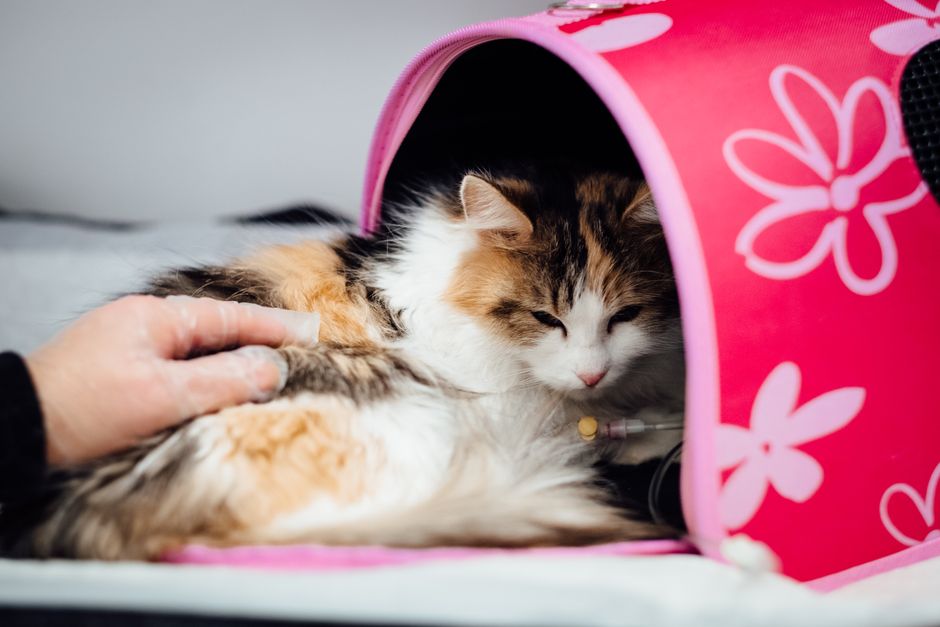
Cats are masters at hiding discomfort and illness, which often leaves owners puzzled when subtle changes arise. Knowing when to consider a cat ultrasound can help you and your veterinarian catch health issues before they become severe. Some cats may show signs that seem minor, such as changes in eating habits, unexplained weight loss, or a slight decrease in activity. For others, symptoms like vomiting, a swollen or bloated abdomen, or abnormal urination might prompt concern. Even something as simple as your cat not eating for more than a day could indicate an underlying issue.
Warning signs that may indicate the need for diagnostic imaging include persistent vomiting, a noticeable lump or mass in the abdomen, rapid or unexplained weight loss, a swollen belly, or ongoing changes in appetite and drinking behavior. If your cat displays any of these symptoms, your veterinarian may recommend specialized imaging to get a clearer picture of what’s happening inside. For more detailed guidance on when to pursue imaging, you can refer to resources like cat vomiting and when to seek care, unexplained weight loss in cats, or swollen or bloated stomach in cats for additional information.
Understanding the Role of Cat Ultrasound in Diagnosis
A cat ultrasound provides a real-time, detailed look at your cat’s internal organs, revealing structures and changes that cannot be seen with standard x-rays or physical exams. This technology uses sound waves to create images of the abdomen, heart, thyroid, and other soft tissues without exposing your cat to radiation. At 4 Paws Imaging, our board-certified specialists interpret these ultrasound images to help your veterinarian pinpoint the cause of your cat’s symptoms.
Common reasons for a cat ultrasound include investigating abdominal pain, identifying the cause of vomiting or diarrhea, evaluating a mass or lump, monitoring pregnancy, or checking the function of organs like the liver, kidneys, spleen, and bladder. Additionally, ultrasound is used to guide procedures such as biopsies with precision, minimizing stress and discomfort for your cat. When it comes to heart health, echocardiograms—a type of specialized ultrasound—allow for detailed evaluation of heart structure and function, an essential part of diagnosing heart disease in cats.
What Conditions Can a Cat Ultrasound Detect?
Ultrasound is a powerful tool for uncovering a wide range of hidden medical conditions in cats. Internal organ issues that may not be obvious from the outside, such as liver or kidney disease, tumors, cysts, or inflammation, can be visualized and assessed. In cases of gastrointestinal problems, ultrasound helps distinguish between causes like foreign objects, thickened intestinal walls, or masses that may require further attention.
For cats with urinary issues, ultrasound can detect bladder stones, abnormal bladder wall thickness, or signs of infection. In some cases, a cat ultrasound helps uncover the source of abnormal urination, whether it’s due to bladder or kidney changes, or even an obstruction. If your veterinarian suspects thyroid disease, thyroid ultrasound offers detailed images to evaluate the gland and guide treatment decisions.
Some cats may also benefit from pregnancy ultrasounds, especially if there are concerns about fetal health or complications. For more information on specific services, you can explore abdominal ultrasound imaging for pets, thyroid ultrasound evaluations, or pregnancy ultrasound services to learn how each can play a role in your cat’s care.
What to Expect During Your Cat’s Ultrasound Appointment
At 4 Paws Imaging, your cat’s comfort and safety are our top priorities. When you bring your cat in for a cat ultrasound, the process is designed to be as stress-free as possible. In most cases, sedation is not required, though some cats who are particularly anxious or uncomfortable may benefit from light sedation to ensure accurate imaging.
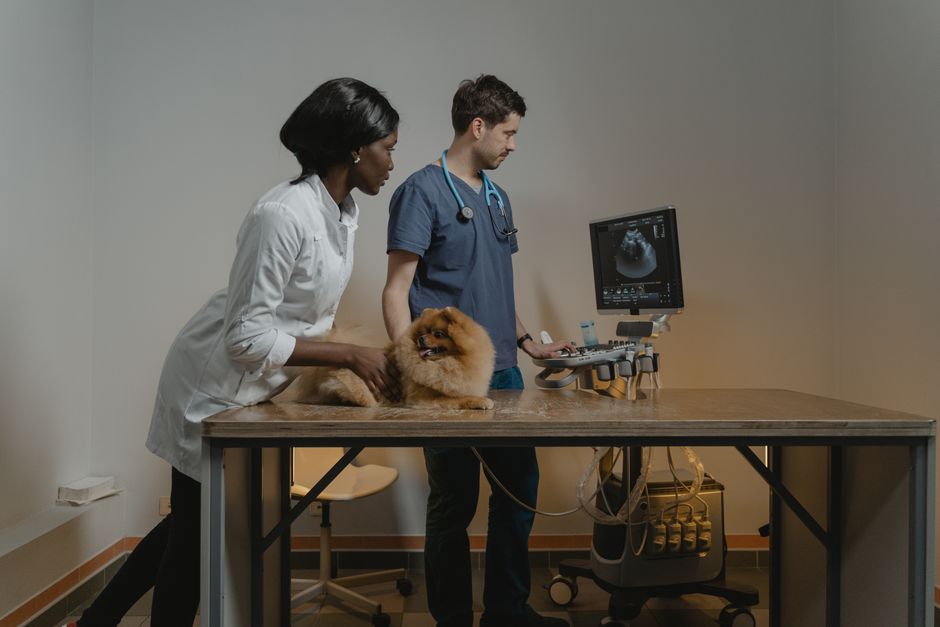
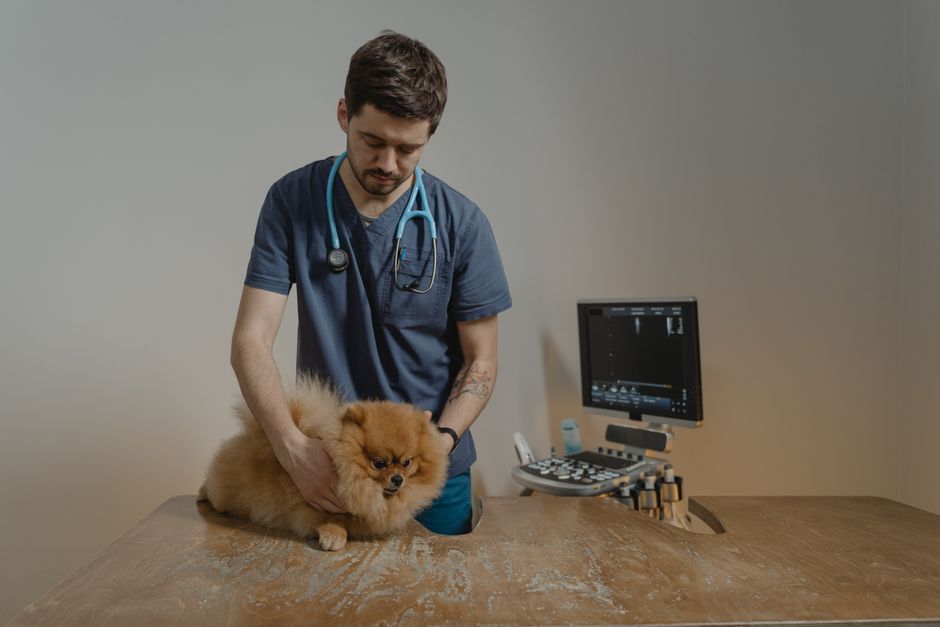
Your cat will be gently placed on a padded table, and the area to be examined is shaved to allow for clear contact with the ultrasound probe. Our veterinary team applies a soothing gel and uses the ultrasound device to capture detailed images. The procedure is painless and typically takes between 20 and 45 minutes, depending on what part of the body is being examined.
After the images are obtained, our board-certified specialists interpret the results and provide a detailed report to your primary veterinarian. This collaboration ensures that your cat receives a precise diagnosis and the best course of treatment. If you have questions about the process or what to expect, our team is always available to provide reassurance and guidance.
How Early Detection Through Ultrasound Makes a Difference
Catching health issues early with a cat ultrasound can dramatically improve outcomes for your feline companion. Many conditions—including kidney disease, intestinal cancer, heart disease, and liver problems—are far more treatable when diagnosed in their earliest stages. Early intervention allows for a broader range of treatment options, less invasive therapies, and, in many cases, a better long-term prognosis.
For example, discovering an abdominal mass before it causes severe symptoms can mean the difference between a straightforward surgical removal and a more complicated procedure. Detecting changes in heart structure or function early allows your veterinarian to begin therapy that may slow disease progression and improve your cat’s quality of life. Even in cases where a cure is not possible, early diagnosis can help you manage your cat’s comfort and wellbeing more effectively.
When Should You Consult Your Veterinarian About Cat Ultrasound?
It is always wise to consult your veterinarian if your cat shows persistent changes in behavior, appetite, or physical condition. If your veterinarian suspects an internal issue, they may refer you to our specialty imaging team for advanced diagnostics. Common situations that may prompt a referral for a cat ultrasound include ongoing vomiting, a palpable abdominal lump, unexplained weight loss, not eating, or abnormal urination.
If you notice any of these changes in your cat, do not wait for symptoms to worsen. Reach out to your primary care veterinarian to discuss whether imaging might be the next step. For more information about specific symptoms and when to consider advanced diagnostics, you can read about cats not eating and when to seek care or abnormal urination in cats.
Supporting Your Cat’s Health at Home
While ultrasound technology is an incredible tool for diagnosis, attentive home care and observation are just as important. Monitor your cat for subtle changes in appetite, activity, weight, grooming habits, and litter box use. Early signs of illness are often easy to miss, so trust your instincts if something seems off. Keeping your cat’s environment calm and minimizing stress can support overall health and improve the accuracy of any diagnostic tests your veterinarian may recommend.
Maintaining regular veterinary checkups helps catch issues before they escalate, and following your veterinarian’s advice for routine bloodwork, dental care, and diet ensures your cat stays healthy between visits. If your veterinarian suggests a referral for imaging, know that 4 Paws Imaging is here to provide clear answers and peace of mind.
Why Choose 4 Paws Imaging for Cat Ultrasound in Downers Grove?
When your cat needs specialized imaging, you want a team with advanced training, compassionate care, and a reputation for excellence. At 4 Paws Imaging, our board-certified specialists and experienced veterinary professionals work closely with your referring veterinarian to deliver the most accurate, timely diagnoses possible. Our state-of-the-art equipment means clearer images, faster results, and more precise answers for your cat’s health concerns.
We understand how stressful it can be when your cat is not feeling well. That is why we make every effort to provide a calm, supportive environment and clear communication throughout the process. Whether your cat requires an abdominal ultrasound, cardiac evaluation, thyroid imaging, or pregnancy monitoring, our team is dedicated to delivering the highest standard of care.
Take the Next Step: Schedule Your Cat’s Imaging Appointment
If you or your veterinarian believe your feline could benefit from a cat ultrasound in Downers Grove, reach out to our experienced team at 4 Paws Imaging today. We are proud to support pet owners throughout Downers Grove and surrounding communities with advanced imaging services that make a real difference in early detection and treatment success.
To learn more about our services or to schedule an appointment, call us at (630) 746-1382 or visit our convenient location at 2581 Ogden Avenue, Downers Grove, IL 60515. When searching for a specialty vet near me, know that our team is here to offer the expertise and compassion your cat deserves. Early diagnosis saves lives—let us help you uncover hidden health issues and give your cat the best possible chance for a healthy future.
This content is for informational purposes only and does not replace professional veterinary advice. Always consult your veterinarian for guidance specific to your cat’s health.