Cat Ultrasound: What Chicago Pet Owners Should Expect
Cat Ultrasound: What Chicago Pet Owners Should Expect
If your cat is facing unexplained health issues, your veterinarian may recommend a specialized diagnostic test called a cat ultrasound. For pet owners in Chicago and surrounding communities, understanding what a cat ultrasound involves can help ease anxiety and ensure your feline companion gets the best care possible. At 4 Paws Imaging, located at 116 W Grand Avenue, Chicago, IL 60654, we specialize exclusively in advanced imaging services such as ultrasounds, echocardiograms, and more for cats and dogs. Our board-certified veterinary specialists use state-of-the-art equipment to provide timely, accurate diagnoses that guide your primary veterinarian’s treatment plan.
In this guide, you’ll learn when an ultrasound is recommended for your cat, what the procedure involves, and how early imaging can play a key role in preserving your cat’s health. We’ll also review what you can expect during your visit to 4 Paws Imaging, how our expertise supports your family veterinarian, and how to prepare for your cat’s appointment.
When Does Your Cat Need an Ultrasound?
As a cat owner, it can be difficult to know when your feline needs advanced diagnostic testing. Cat ultrasound is typically recommended when your veterinarian suspects an internal problem that cannot be detected through a regular physical exam or basic imaging like X-rays. Key situations where an ultrasound may be necessary include when your cat is showing symptoms such as persistent vomiting, sudden weight loss, blood in the urine or stool, or unexplained changes in appetite or behavior. Your veterinarian might also suggest an ultrasound if they detect an abdominal mass during a routine exam, if bloodwork reveals organ abnormalities, or if your cat is experiencing ongoing urinary issues.
In some cases, a cat ultrasound is used to monitor chronic conditions, check for pregnancy, or evaluate suspected heart disease. For example, if your cat’s bloodwork indicates possible kidney or liver issues, an ultrasound can help determine the extent and nature of the problem. By providing detailed images of internal organs and tissues, ultrasounds allow for earlier and more accurate diagnoses, which are essential for effective treatment.
What Causes the Need for a Cat Ultrasound?
There are many reasons your veterinarian may refer your cat for an ultrasound at a specialty imaging center like 4 Paws Imaging. Abdominal ultrasounds are commonly used to investigate causes of vomiting, diarrhea, or abdominal pain. These scans can reveal conditions such as liver disease, kidney problems, intestinal blockages, tumors, or fluid accumulation. In senior cats, ultrasonography is often used to screen for cancer or to monitor the progression of chronic diseases.
Additionally, cardiac ultrasounds—known as echocardiograms—can assess heart function in cats with heart murmurs, irregular heartbeats, or suspected heart disease. Thyroid ultrasounds may be used for cats with overactive thyroid glands. If your veterinarian suspects your cat is pregnant, a dedicated pregnancy ultrasound provides a safe, non-invasive way to confirm and monitor fetal development.
Underlying causes for these issues can range from infections and inflammatory diseases to congenital defects or cancer. Some conditions, such as feline hyperthyroidism or cardiomyopathy, are more common in older cats, making regular checkups and timely imaging especially important as your cat ages.
What Happens During a Cat Ultrasound at 4 Paws Imaging?
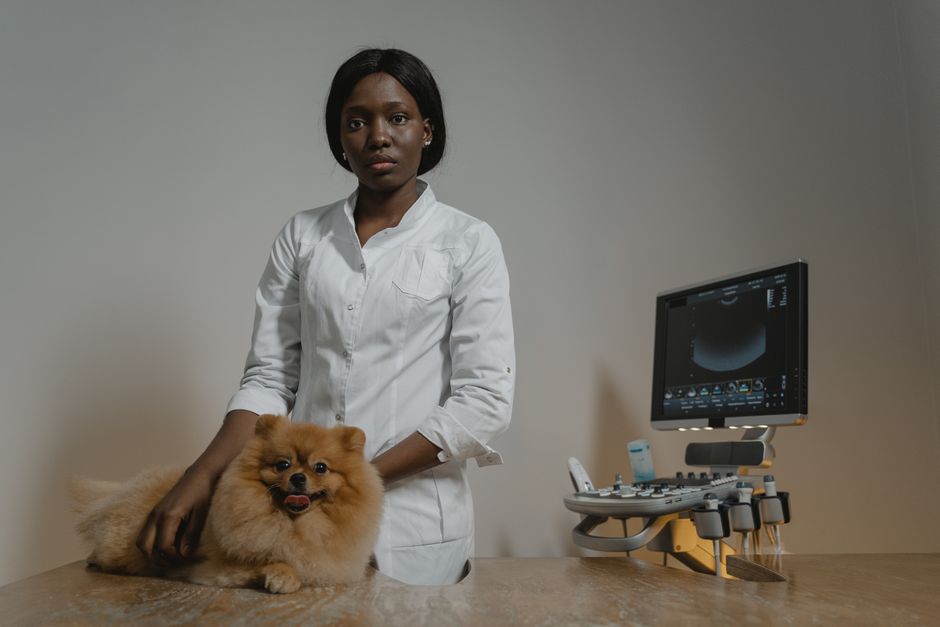
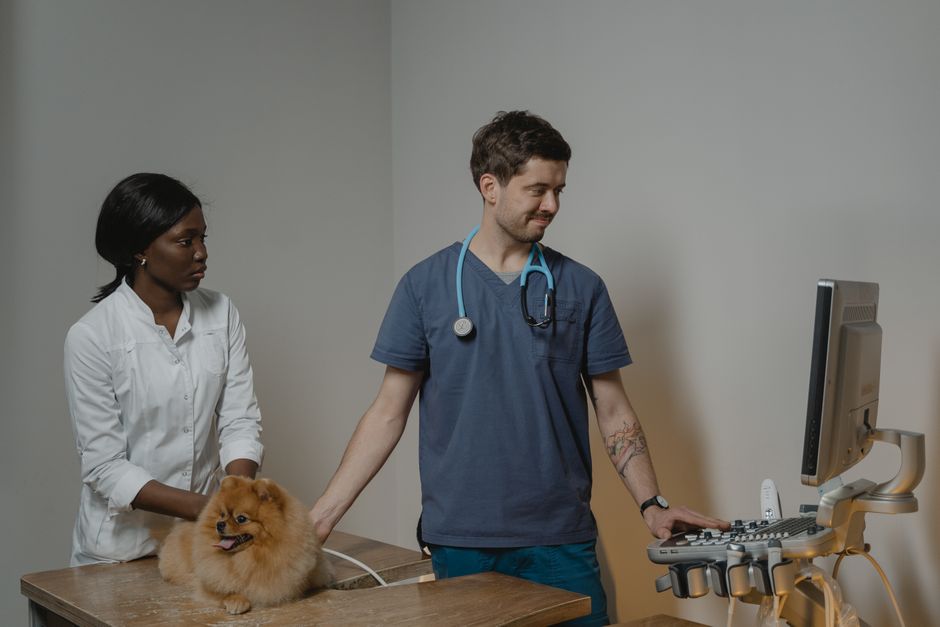
When your cat is referred for a cat ultrasound at our Chicago facility, our veterinary imaging team works closely with your primary veterinarian to ensure a seamless experience. The process begins with a gentle physical exam and a review of your cat’s medical history. Your cat will be comfortably positioned on a padded table, and a small area of fur may be shaved to allow for optimal imaging. Ultrasound gel is applied to the skin to help transmit sound waves.
During the procedure, a board-certified veterinary specialist uses a handheld probe to capture real-time images of your cat’s internal organs. Most cats tolerate the process well and do not require sedation; however, a mild sedative may be used for especially anxious or wiggly cats to keep them calm and safe. The scan itself typically takes between 20 and 40 minutes, depending on the area being examined. Throughout the appointment, our team prioritizes your cat’s comfort and safety, using gentle handling and a quiet, stress-minimized environment.
After the scan, images are carefully reviewed by our board-certified specialists, who provide a detailed report directly to your referring veterinarian. This collaborative approach ensures that any treatment or next steps are tailored to your cat’s specific needs. If your veterinarian has requested a specific type of scan, such as an abdominal ultrasound or a thyroid ultrasound, our team will focus the exam accordingly.
The Advantages of Early Imaging for Cats
Early diagnosis is one of the most important benefits of advanced imaging. Cat ultrasound allows veterinarians to detect problems before they become severe, which often leads to better outcomes and less invasive treatment options. For example, identifying a urinary blockage or intestinal mass early can mean the difference between a simple medical intervention and a complex surgery. In cases of suspected heart disease, a timely echocardiogram can reveal subtle changes in heart function, allowing for earlier intervention and improved quality of life.
Ultrasound is also valuable because it is a non-invasive and painless procedure. Unlike exploratory surgery, ultrasound does not require incisions and has no recovery time, making it ideal for both sick and healthy cats. The ability to monitor ongoing conditions with repeat ultrasounds helps your veterinarian adjust treatment plans as your cat’s needs change.
How to Prepare Your Cat for Their Ultrasound Appointment
Preparing your cat for an ultrasound at 4 Paws Imaging is straightforward. In most cases, you will be asked to withhold food for several hours before the appointment to ensure clear images, especially if an abdominal scan is planned. Water is typically allowed, but always confirm specific instructions with your referring veterinarian or our team. If your cat takes regular medication, let us know in advance so we can provide individualized guidance.
On the day of your appointment, bring any previous medical records or imaging results to give our team a complete picture of your cat’s health. Arriving a few minutes early can help your cat settle in and reduce stress. Our veterinary professionals are experienced in handling nervous or fearful cats, and we will work with you to make the process as gentle as possible.
When Should You Seek an Ultrasound for Your Cat?
If your cat is displaying unexplained symptoms such as lethargy, vomiting, difficulty breathing, or changes in bathroom habits, it is important to consult your primary veterinarian promptly. Your veterinarian will conduct an initial exam and may recommend a cat ultrasound if further investigation is needed. Likewise, if your cat has a diagnosed condition that requires ongoing monitoring—such as kidney disease, liver problems, or heart issues—periodic ultrasounds may be part of their long-term care plan.
Pet owners in Chicago and surrounding communities can trust 4 Paws Imaging to provide rapid, accurate imaging that supports your veterinarian’s recommendations. We accept referrals from primary care veterinarians and are dedicated to making the process as smooth as possible for both you and your cat. Should your pet require a specialized ultrasound, our team is prepared to answer your questions and provide the support you need.
Why Choose 4 Paws Imaging for Cat Ultrasound in Chicago?
As a specialty veterinary imaging center, 4 Paws Imaging is committed to excellence in every aspect of diagnostic care. Our board-certified specialists are highly trained in the nuances of feline anatomy and disease, and our advanced ultrasound technology delivers the detailed results your cat’s health depends on. We understand how important peace of mind is for pet owners, which is why we emphasize clear communication, compassionate handling, and timely collaboration with your primary veterinarian.
Whether you are seeking a routine scan or a more advanced evaluation, our team is here to provide answers when you need them most. We are proud to serve cats and dogs from Chicago and surrounding communities, offering imaging solutions that support early diagnosis and better outcomes.
If you are searching for a specialty imaging vet near me, consider the expertise at 4 Paws Imaging. When your cat’s health is on the line, trust our veterinary imaging professionals to deliver the clarity and care you deserve.
Schedule Your Cat’s Ultrasound at 4 Paws Imaging
If your veterinarian has recommended a cat ultrasound or if you have questions about the process, our team at 4 Paws Imaging is ready to help. We invite you to learn more about our full range of veterinary imaging services or to discuss your cat’s unique needs with our compassionate specialists. To schedule an appointment or request further information, call us at (630) 746-1382 or visit us in person at 116 W Grand Avenue, Chicago, IL 60654. We are here to support you and your cat every step of the way, providing the answers you need to make informed choices about your cat’s health.
Remember, while blog posts like this offer helpful information, they are not a substitute for medical advice or a thorough examination by your veterinarian. If you notice sudden changes in your cat’s health, seek veterinary care without delay. For advanced imaging needs, 4 Paws Imaging is your trusted partner for cat ultrasound in Chicago.