Cat Ultrasound: What Pet Owners Need to Know
Cat Ultrasound: What Pet Owners Need to Know
If your cat has been struggling with unexplained symptoms or your veterinarian has recommended advanced diagnostics, you might be wondering about the role of a cat ultrasound. At 4 Paws Imaging, located at 2581 Ogden Avenue, Downers Grove, IL 60515, we understand how concerning it can be when your cat’s health is in question. Our specialty referral practice focuses exclusively on diagnostic imaging, providing pet owners in Downers Grove and surrounding communities with access to advanced ultrasound technology and board-certified expertise. In this blog, we’ll help you understand when a cat ultrasound may be needed, how the procedure works, what you can expect during your visit, and why 4 Paws Imaging is trusted for feline diagnostics. Whether you’re facing issues like vomiting, weight loss, or a suspected abdominal mass, our experienced veterinary imaging team is here to help you find answers and peace of mind.
Recognizing When Your Cat Might Need an Ultrasound
Cats are masters at hiding illness, often showing only subtle changes when something is wrong. It can be challenging to know when a more advanced diagnostic tool like ultrasound is necessary. Key signs that may prompt your veterinarian to recommend a cat ultrasound include persistent vomiting, sudden weight loss, changes in appetite, a swollen or bloated abdomen, or the discovery of a lump or mass during a physical examination. Additionally, if your cat is not eating or has been diagnosed with a chronic condition affecting organs such as the liver, kidneys, or thyroid gland, ultrasound imaging can offer invaluable insights. For more information about situations like appetite loss, you can explore our dedicated page on when your cat is not eating and may need veterinary evaluation. Early recognition and diagnostic imaging are essential for getting to the root of your cat’s health issues and starting appropriate treatment as soon as possible.
Understanding the Role of Cat Ultrasound in Feline Health
A cat ultrasound is a non-invasive diagnostic tool that uses high-frequency sound waves to create detailed images of your cat’s internal organs and tissues. This advanced imaging technique is particularly useful for visualizing the abdomen, heart, thyroid, and even for monitoring pregnancy in cats. Unlike X-rays, which provide a snapshot of bones and dense structures, ultrasound offers a real-time, moving picture of soft tissues. This allows veterinary specialists to assess organ size, structure, and function, as well as to detect fluid buildup, masses, cysts, or other abnormalities that may not be visible on standard radiographs.
At 4 Paws Imaging, our board-certified specialists use state-of-the-art ultrasound equipment to evaluate conditions ranging from gastrointestinal disease and liver or kidney problems to heart conditions and suspected tumors. For example, an abdominal ultrasound can help clarify the cause of vomiting, weight loss, or a palpable mass, while an echocardiogram provides crucial information about your cat’s heart health. With precise visualization, we can help your primary care veterinarian determine the next best steps for your cat’s care.
Common Reasons for Cat Ultrasound Referrals
Your primary veterinarian may refer your cat to 4 Paws Imaging for a variety of reasons. Some of the most common scenarios include unexplained gastrointestinal symptoms, such as ongoing vomiting or diarrhea that hasn’t responded to initial treatment. Sudden or gradual weight loss without an obvious cause can indicate internal organ dysfunction, and ultrasound can help pinpoint the issue. If your cat’s abdomen appears swollen or bloated, or if a lump is felt during a physical exam, ultrasound imaging is often the next step to distinguish between fluid, fat, tumors, or other causes.
For cats with suspected thyroid disease, a thyroid ultrasound can be instrumental in diagnosing benign or malignant changes. In breeding cats, pregnancy ultrasounds are used to confirm pregnancy and monitor fetal development. Occasionally, cats with heart murmurs, irregular heart rhythms, or signs of heart disease may be referred for an echocardiogram—a specialized cardiac ultrasound—to assess heart structure and function.
What to Expect During Your Cat’s Ultrasound Appointment
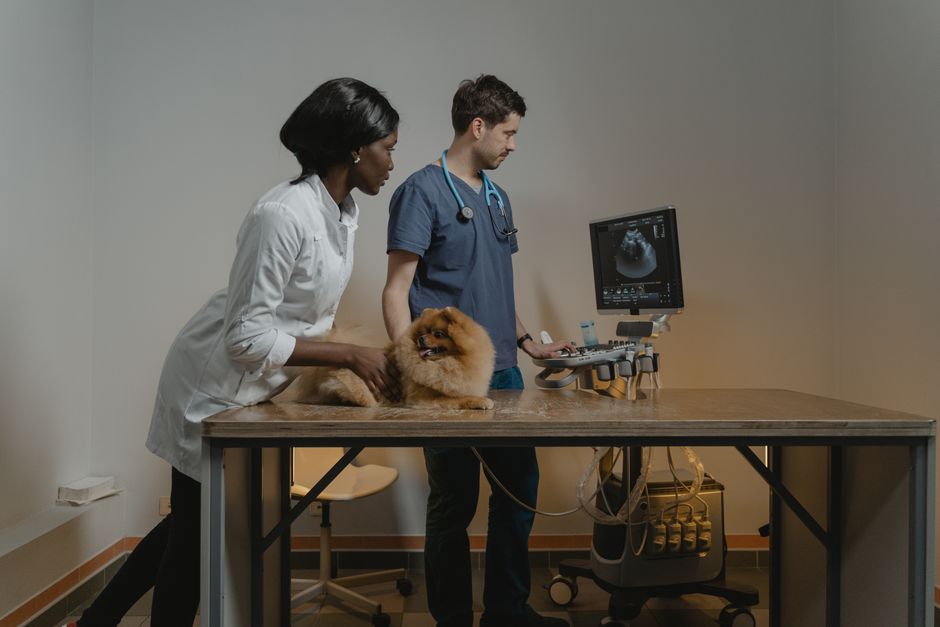
Many pet owners feel anxious about what an ultrasound visit will involve. Rest assured, a cat ultrasound is a gentle, non-invasive procedure that does not use radiation and is generally well-tolerated by most cats. When you arrive at 4 Paws Imaging, our team of veterinary imaging professionals will review your cat’s medical history and the reason for referral. Most ultrasounds require your cat to lay comfortably on a padded table. The fur over the area to be imaged is typically shaved to ensure clear contact between the ultrasound probe and the skin, and a special gel is applied.
The imaging itself is painless. Our specialist will gently move the probe across your cat’s abdomen, chest, or neck, capturing images in real time. The procedure usually takes 20 to 45 minutes, depending on the complexity and the area being examined. In some cases, mild sedation may be recommended if your cat is especially anxious or if a longer, more detailed scan is needed. After the ultrasound, our board-certified specialist will interpret the images and send a comprehensive report to your referring veterinarian, who will then discuss the results and next steps with you.
How Ultrasound Helps Diagnose Feline Health Issues
Ultrasound offers a level of detail that is unmatched for many feline health concerns. For example, in cats with vomiting and weight loss, abdominal ultrasound can help differentiate between inflammatory bowel disease, lymphoma, and other gastrointestinal disorders. For those with a swollen or bloated abdomen, ultrasound can quickly identify fluid accumulation, masses, or organ enlargement. In cats with thyroid enlargement, ultrasound helps distinguish between benign hyperplasia and thyroid tumors, supporting more targeted treatment plans.
If your veterinarian suspects a cardiac issue, an echocardiogram performed by our specialists can reveal heart muscle thickness, valve function, and blood flow patterns. This is critical for diagnosing conditions like hypertrophic cardiomyopathy, which is common in cats and can lead to serious complications if left untreated. You can read more about how abdominal ultrasound helps evaluate internal organs on our abdominal ultrasound service page.
What Happens After a Cat Ultrasound?
Once your cat’s ultrasound is complete, our veterinary imaging team will meticulously review the images to ensure every detail is considered. We provide a thorough interpretation that is sent directly to your referring veterinarian, ensuring a seamless collaboration for your cat’s ongoing care. If the ultrasound identifies a specific concern—such as a mass, abnormal organ appearance, or fluid—the next steps may involve additional diagnostic tests, a biopsy, or tailored medical or surgical treatment. Your primary care veterinarian will guide you in understanding the results and planning any necessary follow-up.
Home Care and Monitoring for Cats Awaiting Ultrasound
While waiting for your cat’s ultrasound appointment, it’s important to monitor symptoms and keep detailed notes about changes in eating, drinking, litter box habits, and behavior. Ensure your cat has easy access to fresh water and a quiet, comfortable place to rest. Avoid giving any new medications or supplements unless specifically directed by your veterinarian. If your cat is not eating, appears lethargic, or you notice any rapid changes, contact your referring veterinarian promptly. You can find more information about unexplained weight loss in cats and when to seek care on our website.
When to Seek Immediate Veterinary Attention
Some symptoms indicate a need for urgent evaluation, even before a scheduled ultrasound. If your cat experiences severe breathing difficulty, persistent vomiting, collapse, or sudden swelling of the abdomen, seek immediate veterinary care. These can be signs of life-threatening conditions that require stabilization and intervention before advanced imaging can be performed. At 4 Paws Imaging, while we specialize in diagnostic imaging, we work closely with local veterinarians to support timely and accurate diagnoses for cats in Downers Grove and the surrounding area.
Why Choose 4 Paws Imaging for Your Cat’s Ultrasound in Downers Grove?
Pet owners in Downers Grove and nearby communities trust 4 Paws Imaging for our focus on advanced veterinary imaging and our commitment to collaborative care. All ultrasounds are performed and interpreted by board-certified veterinary specialists, ensuring the highest level of expertise for your cat. Our state-of-the-art equipment allows for precise, detailed images that support your primary veterinarian in making the best possible decisions. We understand that timely answers are essential for your peace of mind, and we strive to deliver clear, compassionate communication every step of the way.
If you are searching for a specialty vet near me who provides advanced cat ultrasound services, our team at 4 Paws Imaging is ready to help. We are proud to serve cats and their owners throughout the Downers Grove area.
Take the Next Step for Your Cat’s Health
If your cat is experiencing symptoms like vomiting, unexplained weight loss, appetite changes, or an abdominal mass, a cat ultrasound at 4 Paws Imaging can provide the answers you need. Our board-certified specialists and state-of-the-art technology ensure your cat receives the highest quality diagnostic care. To schedule a referral appointment or learn more about our imaging services, contact our veterinary imaging team at (630) 746-1382 or visit our services overview page. Our practice is conveniently located at 2581 Ogden Avenue, Downers Grove, IL 60515, making us a trusted resource for pet owners in Downers Grove and surrounding communities. Your cat’s health and comfort are our top priorities. We look forward to supporting you and your veterinarian with expert imaging services whenever your cat’s health is in question.