Dog Echocardiogram: What Chicago Pet Owners Should Know
Dog Echocardiogram: What Chicago Pet Owners Should Know
If your veterinarian has recommended a dog echocardiogram, you may be feeling concerned about your dog’s heart health and wondering what to expect from this advanced diagnostic test. At 4 Paws Imaging, located at 116 W Grand Avenue, Chicago, IL 60654, we understand how important your dog is to your family and how vital it is to get clear answers when heart disease is suspected. Our specialty imaging center offers state-of-the-art echocardiograms for dogs, providing detailed insight into cardiac function and structure so that your primary veterinarian or veterinary cardiologist can make the most informed decisions about your dog’s care.
In this article, we’ll explain what a dog echocardiogram involves, which symptoms or breeds often need heart ultrasounds, what the process looks like at our Chicago imaging center, and how our experienced veterinary team helps guide you through every step. You’ll also learn about the advanced technology we use, how to prepare for your dog’s appointment, and what results might mean for you and your dog. If you’re searching for a trusted referral imaging service in Chicago or surrounding communities, you’re in the right place.
Recognizing When Your Dog Might Need an Echocardiogram
Many pet owners first hear about dog echocardiograms when their veterinarian detects a heart murmur during a routine examination or notices symptoms that could suggest heart disease. Understanding when this advanced imaging is needed can help you advocate for your dog’s health and peace of mind.
Some of the most common reasons a veterinarian may suggest a dog echocardiogram include the discovery of an abnormal heart sound such as a murmur or arrhythmia, persistent coughing, unexplained fatigue, labored breathing, fainting episodes, or exercise intolerance. Additionally, certain breeds are more prone to congenital or acquired heart conditions, so your veterinarian might recommend proactive screening if you have a Cavalier King Charles Spaniel, Boxer, Doberman Pinscher, Dachshund, or other at-risk breed.
In some cases, a dog with a previously diagnosed heart condition may need periodic echocardiograms to monitor disease progression or evaluate their response to medication. Symptoms that could prompt a cardiac assessment include coughing that doesn’t improve with treatment, rapid or shallow breathing, decreased ability to exercise, or sudden collapse. If your dog is showing any of these signs, or your veterinarian has identified a potential heart concern, a referral for a dog echocardiogram can provide the answers needed to move forward with confidence.
What Is a Dog Echocardiogram and Why Is It Important?
A dog echocardiogram, also known as a cardiac ultrasound, is a specialized imaging procedure that creates real-time moving images of your dog’s heart. Unlike X-rays, which show only the size and shape of the heart, an echocardiogram allows veterinary specialists to directly visualize the heart’s chambers, valves, blood flow, and muscle function in exquisite detail.
This non-invasive test is essential for diagnosing a wide range of heart conditions, including mitral valve disease, dilated cardiomyopathy, congenital defects, and pericardial effusion. By providing a precise assessment of heart structure and function, the echocardiogram helps determine whether heart disease is present, how severe it might be, and what treatment approach is best. For dogs with a newly discovered heart murmur, this test can distinguish between a benign “innocent” murmur and one that signals a more serious problem.
At 4 Paws Imaging, our echocardiogram ultrasounds are performed using advanced equipment and are interpreted by board-certified veterinary cardiologists. This ensures that your dog receives the most accurate and thorough evaluation possible, and the results are promptly shared with your primary veterinarian or any referring specialist.
The Dog Echocardiogram Process at 4 Paws Imaging
When your veterinarian refers your dog to 4 Paws Imaging for a dog echocardiogram, our compassionate veterinary imaging team will guide you through each step of the process. We work closely with pet owners and referring veterinarians throughout Chicago and surrounding neighborhoods to ensure a seamless and stress-free experience.
Preparing for Your Dog’s Appointment
Before your appointment, you may be asked to fill out a brief health history form and provide any previous medical records or test results. Most dogs do not require sedation for the procedure; in fact, we take great care to make your dog comfortable and relaxed. You are welcome to stay with your dog during the exam in most cases, providing reassurance and support.
What Happens During the Echocardiogram
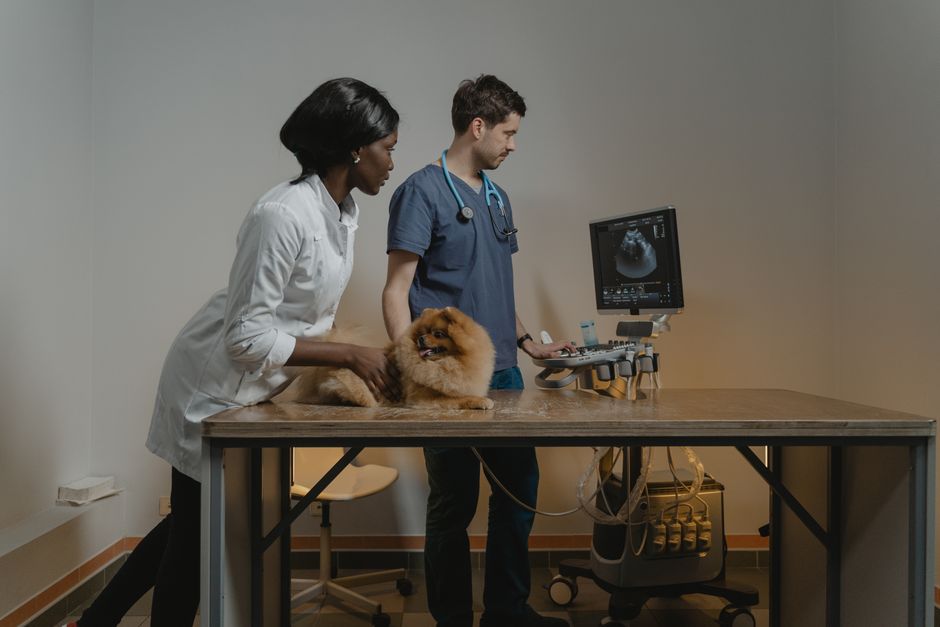
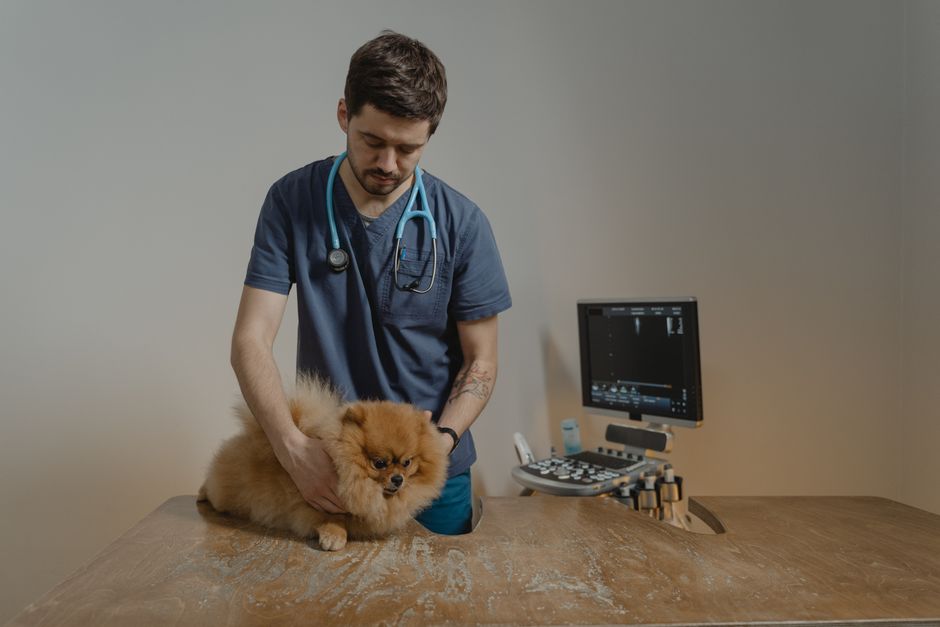
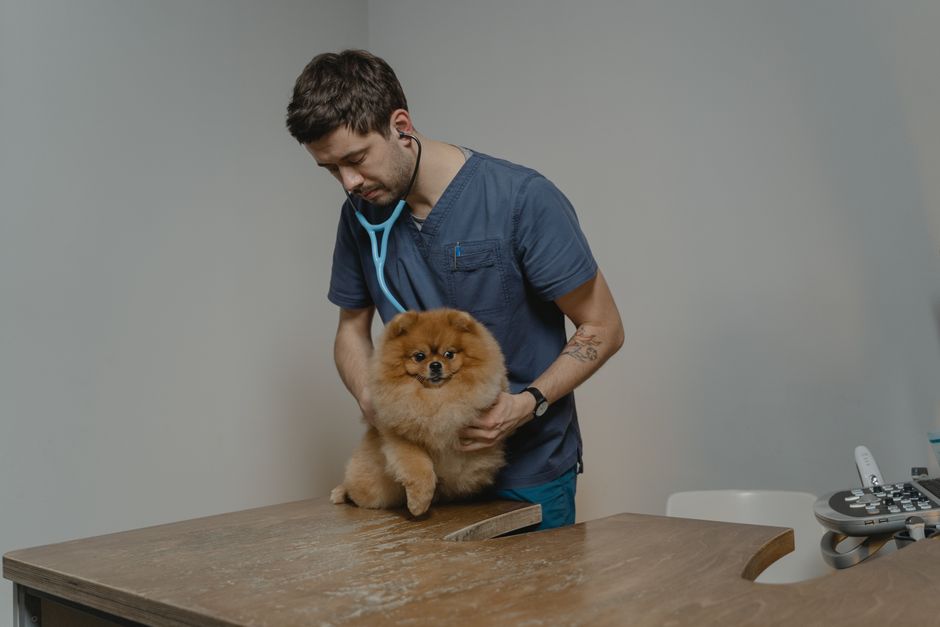
During the echocardiogram, your dog will rest comfortably on a padded table while a veterinary technician gently holds them in position. A small area of fur on the chest may be shaved to ensure the best possible contact with the ultrasound probe. The procedure itself is painless and typically takes 30 to 60 minutes, depending on your dog’s size and the complexity of the assessment.
Our state-of-the-art ultrasound equipment captures real-time images, allowing the veterinary cardiologist to evaluate heart chamber size, wall thickness, valve movement, and blood flow patterns. In some cases, an electrocardiogram (ECG) or Holter monitor may be recommended to further assess your dog’s heart rhythm and electrical activity.
After the Echocardiogram
Once the test is complete, our imaging team will promptly analyze the results and provide a detailed report to your referring veterinarian. You’ll receive clear guidance on the next steps, whether that means ongoing monitoring, medication, further testing, or referral to a veterinary cardiologist for advanced care. Our goal is to give you and your veterinarian the information needed to make the best decisions for your dog’s long-term health.
Understanding Heart Disease in Dogs: Causes and Risk Factors
Heart disease in dogs can have a variety of causes, ranging from age-related changes to genetic predisposition and acquired conditions. The most common type of heart disease seen in dogs is degenerative valve disease, which primarily affects older, small-breed dogs such as Cavalier King Charles Spaniels and Dachshunds. This condition develops gradually as the heart’s valves become thickened and leaky, leading to murmurs and, over time, possible congestive heart failure.
Another common condition is dilated cardiomyopathy, which is seen more frequently in large and giant breeds like Dobermans, Boxers, and Great Danes. This disease affects the heart muscle, causing it to become weak and unable to pump blood effectively. Some congenital heart defects, such as patent ductus arteriosus and pulmonic stenosis, are present from birth and may be identified in young puppies.
Risk factors for canine heart disease include age, breed, obesity, untreated dental disease, and in some cases, underlying endocrine disorders such as hypothyroidism. While some cardiac conditions have no clear cause, early detection through advanced diagnostics like a dog echocardiogram can make a significant difference in your dog’s prognosis and quality of life.
Treatment and Management After a Dog Echocardiogram
When your dog is diagnosed with a heart condition following a dog echocardiogram, the next step is to develop a tailored treatment plan in collaboration with your primary veterinarian or veterinary cardiologist. Treatment approaches vary depending on the specific diagnosis, stage of disease, and your dog’s overall health.
For many dogs with mild heart disease, regular monitoring with periodic echocardiograms and physical exams may be all that’s needed. If medication is required, options may include drugs that help the heart pump more efficiently, control abnormal rhythms, or reduce fluid buildup in the lungs. Your veterinarian will explain the medication plan, potential side effects, and any necessary lifestyle changes, such as exercise restrictions or dietary adjustments.
In some cases, advanced therapies or interventions may be discussed, especially if your dog is under the care of a veterinary cardiologist. The veterinary imaging team at 4 Paws Imaging ensures that you and your veterinarian have all the information needed to make these decisions with confidence. We are always available to answer your questions and clarify any aspects of the echocardiogram findings.
What Pet Owners Can Do at Home to Support Heart Health
While many heart conditions in dogs are not preventable, there are important steps you can take to support your dog’s overall heart health and well-being. Feeding a high-quality, balanced diet, maintaining a healthy weight, and providing regular exercise tailored to your dog’s abilities all contribute to a strong cardiovascular system. Routine veterinary checkups are essential for early detection of murmurs or subtle changes in heart function.
If your veterinarian has prescribed medication or recommended dietary changes, following these instructions carefully is vital. Monitor your dog for any changes in breathing, activity level, or appetite, and report new symptoms promptly to your veterinarian. Keeping a journal of your dog’s resting respiratory rate at home, especially if they have been diagnosed with heart disease, can be a valuable tool for tracking their condition over time.
Remember, never adjust or discontinue medications without veterinary guidance, as this can have serious consequences for your dog’s health.
When to Seek Professional Veterinary Imaging for Your Dog
Knowing when to seek advanced diagnostic imaging such as a dog echocardiogram is crucial for timely diagnosis and effective treatment. If your dog is experiencing persistent coughing, labored breathing, fainting spells, unexplained lethargy, or has been diagnosed with a new heart murmur, prompt referral to a specialty imaging facility can make a significant difference. Your veterinarian may also recommend a cardiac ultrasound if there are any unexplained changes in heart sounds or if your dog is part of a breed at higher risk for heart problems.
At 4 Paws Imaging, we work exclusively by referral, partnering with primary care veterinarians throughout Chicago and the surrounding communities to provide specialized imaging services that supplement your dog’s ongoing care. If you have questions about the referral process or what to expect during your visit, our veterinary imaging professionals are here to help.
For more information about our full range of advanced imaging services, including echocardiograms, ultrasounds, electrocardiograms, and Holter monitoring, visit our veterinary imaging services page.
Your Trusted Chicago Referral Center for Dog Echocardiograms
When your dog’s heart health is on the line, you want answers you can trust and compassionate care every step of the way. At 4 Paws Imaging, our board-certified specialists and skilled veterinary imaging team are dedicated to providing the highest-quality dog echocardiogram services in Chicago. We understand how stressful it can be to face a possible heart diagnosis, and we strive to make the process as smooth and informative as possible for you and your veterinarian.
If you are searching for a specialty cardiology vet near me or want to ensure your dog has access to the most advanced cardiac imaging available, we invite you to contact our team. Reach out to 4 Paws Imaging at (630) 746-1382 to ask about the referral process or schedule an appointment through your veterinarian. You can also learn more about our echocardiogram ultrasounds and what to expect during your visit.
Our commitment extends to every dog and every pet owner who walks through our doors, serving Chicago and the surrounding communities with compassion, expertise, and the latest in veterinary imaging technology. Trust your dog’s heart to the specialists at 4 Paws Imaging—because peace of mind starts with the right answers.
This article is for informational purposes only and does not replace professional veterinary care. Always consult your primary veterinarian or a veterinary cardiologist regarding your dog’s specific health needs.