How Cardiac Imaging Helps Chicago Pets Live Longer
How Cardiac Imaging Helps Chicago Pets Live Longer
Heart health is just as important for cats and dogs as it is for people. Many pet owners are surprised to learn that heart disease is a leading cause of illness in companion animals, and symptoms often go unnoticed until the condition is advanced. At 4 Paws Imaging, located at 116 W Grand Avenue, Chicago, IL 60654, our team of veterinary imaging specialists is dedicated to providing advanced cardiac diagnostics that help uncover heart problems early, so your dog or cat can enjoy a longer, healthier life. In this blog, we will explore how cardiac imaging—including echocardiograms and Holter monitors—can reveal hidden heart conditions, guide effective treatment plans, and give you peace of mind about your pet’s heart health. Whether you are in Chicago or the surrounding communities, 4 Paws Imaging is here to support you and your veterinarian every step of the way.
Recognizing the Signs of Heart Disease in Pets
Heart disease in cats and dogs can be challenging to detect, especially in the early stages. Many pets show few or no symptoms until the disease has progressed, making regular veterinary checkups and advanced imaging crucial. Some of the most common signs that your pet may be experiencing heart problems include reduced energy, coughing (especially at night or after exercise), difficulty breathing, fainting episodes, and a decreased ability to exercise or play. In cats, symptoms can be even more subtle; you might notice changes in appetite, increased hiding, or rapid breathing at rest. When these changes occur gradually, it can be easy to overlook them or attribute them to normal aging. However, even mild symptoms can indicate an underlying cardiac problem that warrants further investigation.
If your veterinarian hears a heart murmur during a routine exam or notices irregular heart rhythms, they may recommend additional testing. Advanced cardiac imaging, such as an echocardiogram or Holter monitor, can provide a detailed look at your pet’s heart function and structure. By identifying heart conditions early, we can help you and your veterinary team make informed decisions about your pet’s care and improve their long-term outlook.
Understanding the Causes of Heart Disease in Dogs and Cats
Heart disease in pets can develop for a variety of reasons. In dogs, the most common types of heart disease are degenerative valve disease and dilated cardiomyopathy. Degenerative valve disease is especially prevalent in small breeds like Cavalier King Charles Spaniels, while dilated cardiomyopathy is more frequently seen in larger breeds such as Doberman Pinschers and Boxers. These conditions often progress over time, with symptoms appearing only as the disease advances.
In cats, the primary cause of heart disease is hypertrophic cardiomyopathy, a condition that causes the heart muscle to thicken and impairs its ability to pump blood efficiently. Some breeds, including Maine Coons and Ragdolls, are genetically predisposed, but any cat can develop this condition. Other contributors to heart disease in pets include congenital defects present from birth, high blood pressure, thyroid disorders (particularly in older cats), and infections that affect the heart. In some cases, heart disease may develop secondary to other chronic illnesses, making early detection even more important.
The challenge for pet owners is that many of these conditions cannot be diagnosed based on physical examination alone. Subtle changes in your pet’s behavior or energy levels may be the only outward signs. That is why advanced diagnostic imaging, performed by experienced veterinary professionals, is essential for accurate diagnosis and management.
How Cardiac Imaging Guides Treatment and Improves Outcomes
Cardiac imaging plays a pivotal role in diagnosing and managing heart disease in pets. At 4 Paws Imaging, we use advanced technology and board-certified specialists to provide clear answers for you and your primary care veterinarian. Our most commonly recommended cardiac imaging studies include echocardiograms, electrocardiograms, and Holter monitor studies, each offering unique insights into your pet’s heart health.
Echocardiograms: The Gold Standard for Cardiac Assessment
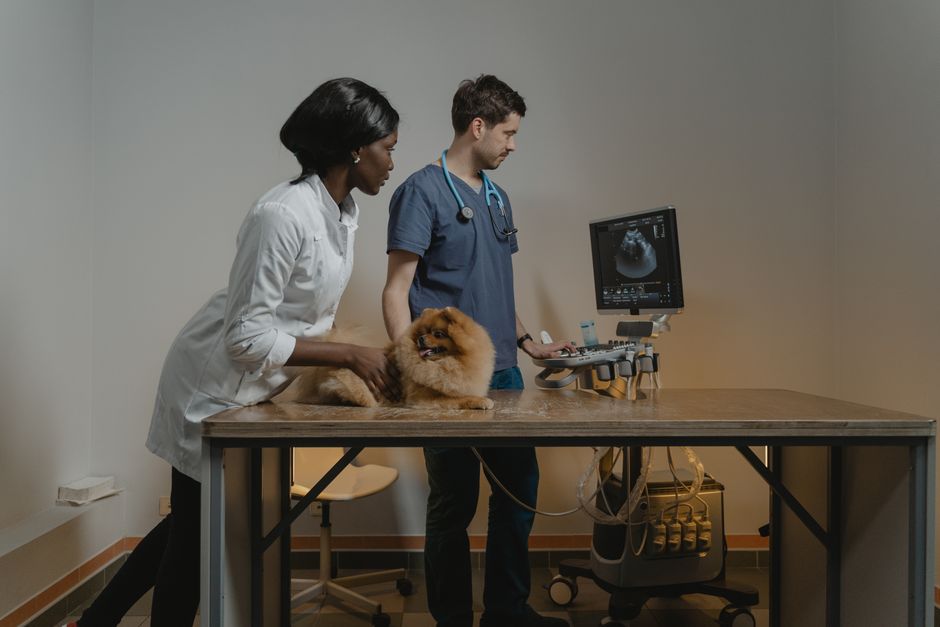
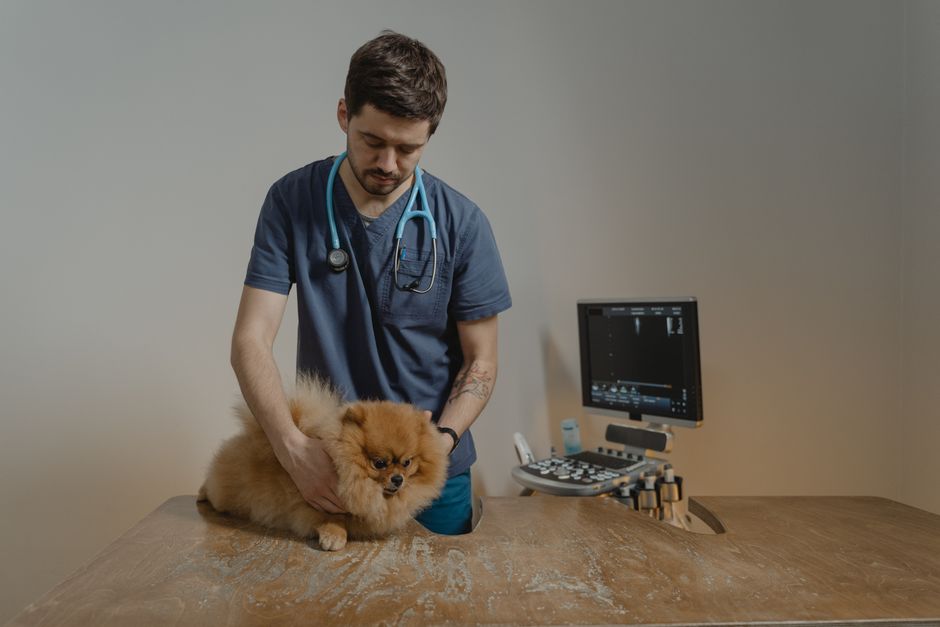
An echocardiogram is an ultrasound of the heart that allows our veterinary team to see detailed images of your pet’s heart chambers, valves, and blood flow. This non-invasive procedure is often recommended when a heart murmur, arrhythmia, or unexplained symptoms are detected. Through an echocardiogram, we can determine if your dog or cat has structural abnormalities, measure the severity of heart disease, and monitor disease progression over time. This information is critical for developing a tailored treatment plan that addresses your pet’s specific needs. You can learn more about how these heart screenings are performed and interpreted by a board-certified cardiologist by visiting our page on comprehensive echocardiogram heart screenings for pets.
Electrocardiograms and Holter Monitors: Uncovering Heart Rhythm Problems
While echocardiograms reveal structural issues, some heart conditions are related to the heart’s electrical activity. An electrocardiogram (ECG) records the heart’s rhythm and can identify arrhythmias that may cause fainting, weakness, or sudden collapse. For pets with intermittent or unpredictable symptoms, a Holter monitor provides continuous recording of heart rhythm over 24 hours or longer, capturing abnormalities that might be missed during a short clinic visit. These tests are essential for monitoring pets on heart medications, evaluating unexplained symptoms, or assessing risk before anesthesia. For more information about our Holter monitor services for evaluating pets' heart rhythms over an extended period or our electrocardiogram services for assessing the electrical activity and rhythm of a pet's heart, our team is ready to help.
How Imaging Results Guide Your Pet’s Care
Once cardiac imaging is complete, our board-certified specialists interpret the results and provide a detailed report to your primary care veterinarian. This collaborative approach ensures your pet receives the most appropriate medications, lifestyle recommendations, and ongoing monitoring. In some cases, advanced imaging can reveal that no immediate treatment is needed, providing reassurance and a clear baseline for future comparison. In others, early intervention with medication or dietary changes can slow disease progression, improve quality of life, and extend your pet’s lifespan.
Supporting Your Pet’s Heart Health at Home
While advanced imaging is crucial for diagnosis and treatment, there are important steps you can take at home to protect your dog or cat’s heart. Maintaining a healthy weight, providing regular exercise appropriate for your pet’s age and condition, and feeding a balanced diet are all fundamental. It is also important to keep up with annual wellness exams, as your veterinarian can detect subtle changes that may indicate early heart disease.
If your pet is diagnosed with a heart condition, administering medications as prescribed, monitoring for changes in breathing or activity, and keeping a symptom diary can all contribute to better management. Avoiding excessive salt in treats and table food, reducing stress, and promptly addressing other health issues will also support your pet’s overall wellbeing. By staying attentive to your pet’s daily habits and reporting changes to your veterinary team, you play an essential role in their long-term heart health.
When to Seek Advanced Cardiac Imaging for Your Pet
Knowing when to pursue advanced cardiac imaging can be challenging for pet owners, but certain situations make it especially important. If your veterinarian detects a new or changing heart murmur, notices irregular heart rhythms, or if your pet experiences fainting, coughing, or unexplained weakness, advanced imaging is strongly recommended. Additionally, if your pet belongs to a breed at higher risk for cardiac disease, or if you have noticed subtle changes in energy, breathing, or behavior, early imaging can make a significant difference.
At 4 Paws Imaging, our role is to support you and your primary care veterinarian with timely, accurate diagnoses. We accept referrals for all cardiac imaging services and work closely with your veterinary team to ensure seamless care. Many heart conditions can be managed successfully when identified early, so do not hesitate to ask your veterinarian whether advanced imaging could benefit your dog or cat.
Why Choose 4 Paws Imaging for Your Pet’s Cardiac Care?
When your pet’s heart health is in question, you deserve answers from an experienced and compassionate veterinary imaging team. 4 Paws Imaging stands out in Chicago for our advanced technology, board-certified specialists, and commitment to collaborative care. Our convenient location at 116 W Grand Avenue, Chicago, IL 60654 makes us easily accessible to pet owners throughout the city and surrounding communities. We are dedicated to providing a stress-free experience for your dog or cat, offering clear communication and support from the moment you arrive.
If you are searching for a specialty cardiology vet near me, look no further than 4 Paws Imaging. Our team of veterinary imaging professionals is here to help your pet live a longer, healthier life through early detection and expert care.
Take the Next Step for Your Pet’s Heart Health
Early identification of heart disease can add years to your pet’s life and improve the quality of every moment you share. If your primary care veterinarian has recommended cardiac imaging, or if you have concerns about your pet’s heart health, we invite you to contact our team today. You can reach us at (630) 746-1382 or visit us in person at 116 W Grand Avenue, Chicago, IL 60654. For more information about our diagnostic services, including echocardiogram heart screenings for pets, Holter monitor evaluations, or electrocardiogram assessments, our website offers detailed resources.
Your pet’s heart deserves the best possible care. Let us help you secure a healthier future for your dog or cat—schedule a consultation with our veterinary imaging team today and experience the difference that advanced cardiac diagnostics can make.