How Echocardiograms Help Detect Heart Conditions in Pets

How Echocardiograms Help Detect Heart Conditions in Pets
If you have ever worried about your dog or cat’s heart health, you are not alone. Heart conditions can develop quietly in pets, and early signs are often subtle or mistaken for aging. At 4 Paws Imaging, located at 2581 Ogden Avenue, Downers Grove, IL 60515, our board-certified veterinary specialists use advanced imaging technology to uncover hidden heart issues before they become life-threatening. Echocardiograms, also known as cardiac ultrasounds, play a crucial role in accurately diagnosing heart disease in cats and dogs. In this blog, you will discover how echocardiograms work, when your pet may need one, what to expect during the process, and how early detection can make a real difference for your furry family member. Whether you are in Downers Grove or nearby communities, our team is dedicated to supporting your pet’s heart health with expertise and compassion.
Recognizing Signs of Heart Disease in Dogs and Cats
Heart disease in pets often develops gradually, making it challenging for pet owners to notice early changes. Key symptoms that may indicate a heart problem include persistent coughing, especially at night or after exercise, as well as labored or rapid breathing. You might also notice your pet tiring more quickly on walks, reluctance to play, or even fainting episodes. Some pets show subtle changes such as decreased appetite, weight loss, or swelling in the abdomen due to fluid buildup. Cats, in particular, may hide symptoms; look for signs like open-mouth breathing, hiding, or sudden collapse. If you notice any of these changes in your pet’s behavior or energy level, it is important to consult your family veterinarian. Your primary care veterinarian may then recommend advanced diagnostics, such as an echocardiogram, to get a clearer picture of your pet’s heart health.
Understanding Heart Disease in Pets: Causes and Risk Factors
Heart conditions in dogs and cats can have many causes. In dogs, the most common issues include degenerative valve disease, where the heart valves become leaky over time, and dilated cardiomyopathy, which causes the heart muscle to weaken and enlarge. Certain breeds, like Cavalier King Charles Spaniels and Doberman Pinschers, are more prone to these conditions. Cats often develop hypertrophic cardiomyopathy, a disease where the heart muscle thickens, reducing its ability to pump blood effectively. Genetics, age, and certain underlying medical conditions like thyroid disease or high blood pressure can increase the risk of heart problems. While some heart diseases are congenital and present from birth, many develop as pets age. Environmental factors such as diet, activity level, and even obesity can also play a role. Because heart disease can progress quietly, advanced imaging is essential for accurate diagnosis and timely intervention.
How Echocardiograms Diagnose Heart Conditions
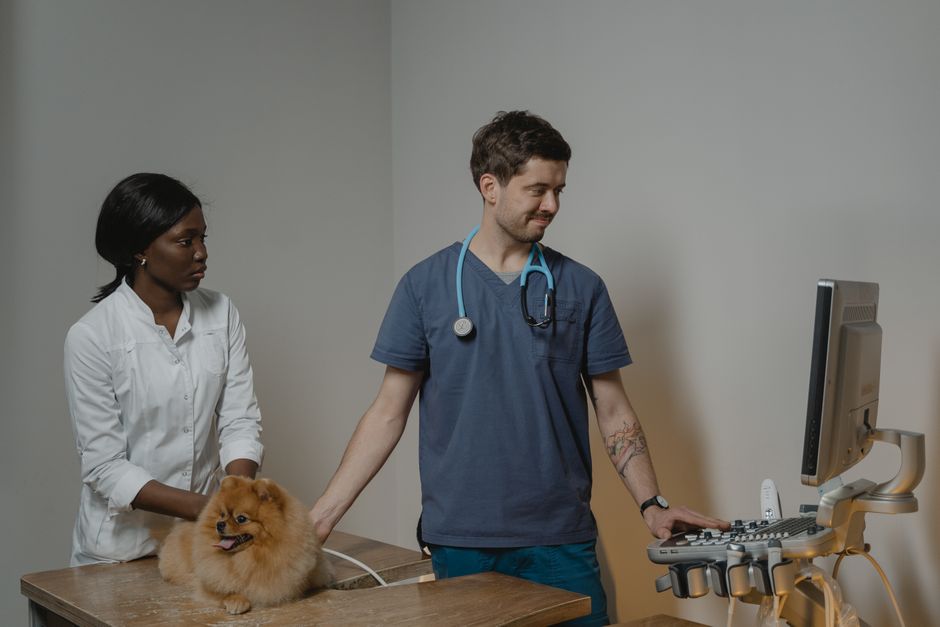
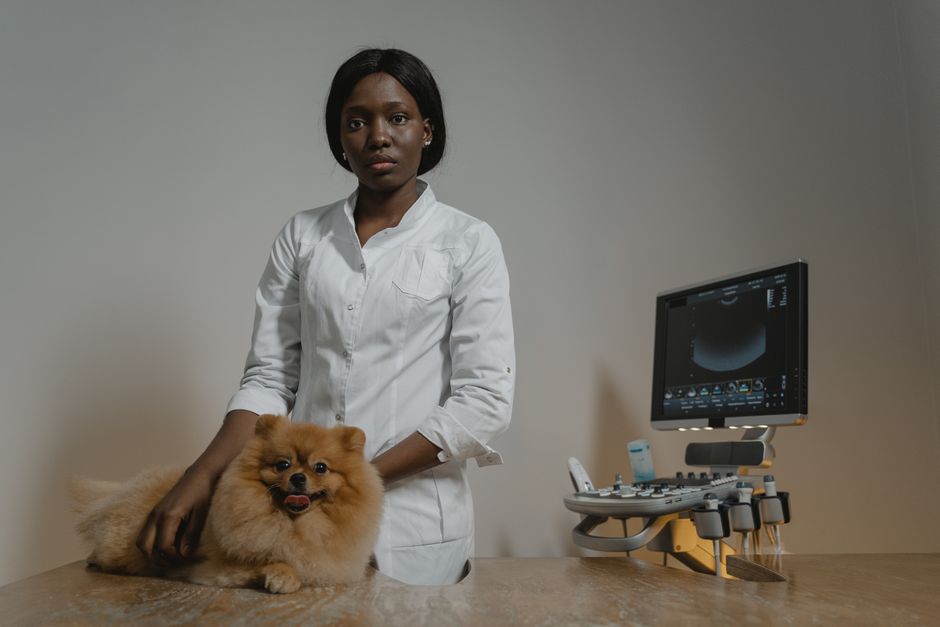
Echocardiograms are a non-invasive imaging technique that allows veterinary specialists to visualize the heart in real time. Using high-frequency ultrasound waves, echocardiograms provide detailed images of the heart’s chambers, valves, and muscle walls. This technology enables our team to measure heart size, evaluate how well the heart is pumping, and detect abnormalities such as valve leakage, thickened walls, or unusual fluid accumulation. The process is comfortable for your dog or cat, typically requiring only gentle restraint and, in some cases, light sedation if your pet is anxious or very active. No shaving is usually needed, although a small patch of fur may be clipped to improve the quality of the images. Results from the echocardiogram are interpreted by a board-certified veterinary cardiologist, ensuring the highest standard of care. If your family veterinarian has recommended further heart screening, you can learn more about our comprehensive pet heart screenings at 4 Paws Imaging.
What to Expect During Your Pet’s Echocardiogram
On the day of your pet’s appointment, our veterinary professionals will review your pet’s medical history and discuss any symptoms you have observed. The echocardiogram itself is painless and generally takes 20 to 45 minutes. Your pet will be positioned comfortably on a padded table while the sonographer gently moves a specialized ultrasound probe across your pet’s chest. This process allows us to observe the heart’s function in real time, assess blood flow, and identify any abnormalities. After the procedure, our team will thoroughly review the findings and collaborate with your primary care veterinarian to develop an appropriate treatment or management plan. If you are preparing for an upcoming echocardiogram, you will find additional resources, including our echocardiogram patient history form, on our website.
Treatment and Management Options for Heart Disease in Pets
Once a heart condition is diagnosed through an echocardiogram, your pet’s care plan can be customized for optimal results. Treatment options vary depending on the specific diagnosis but may involve prescription medications to improve heart function, manage fluid buildup, or regulate abnormal heart rhythms. In some cases, your veterinarian may recommend dietary changes, weight management, or exercise restrictions to minimize stress on the heart. For pets with arrhythmias or suspected electrical disturbances, additional diagnostics such as an electrocardiogram or Holter monitor may be necessary to monitor heart rhythm over time. Your primary care veterinarian and the board-certified specialists at 4 Paws Imaging will work together to ensure your dog or cat receives the best possible care. Early intervention, guided by high-quality imaging, can help slow disease progression and improve your pet’s quality of life.
Supporting Your Pet’s Heart Health at Home
While the expertise of veterinary professionals is crucial in diagnosing and managing heart disease, pet owners play an essential role in daily care. Routine observation of your dog or cat’s behavior, breathing patterns, and activity level is the first step in detecting changes that may signal heart problems. Maintaining a healthy weight, providing balanced nutrition, and ensuring regular exercise appropriate to your pet’s condition can all support heart health. If your pet has already been diagnosed with a heart condition, be sure to administer medications exactly as prescribed, keep up with scheduled veterinary checkups, and monitor for any new symptoms. Promptly report changes such as increased coughing, lethargy, or difficulty breathing to your veterinarian. Partnering closely with your primary care veterinarian and the specialty imaging team at 4 Paws Imaging gives your pet the best chance for a happy, active life.
When to Seek Advanced Cardiac Imaging for Your Pet
Deciding when to pursue an echocardiogram for your pet can be challenging. Your primary care veterinarian may recommend this advanced diagnostic if your pet has a heart murmur, abnormal heart sounds, unexplained coughing, fainting episodes, or signs of exercise intolerance. Additionally, pets with known breed risks or those showing subtle signs of heart disease may benefit from early screening. If your veterinarian suggests further evaluation, it is important to act promptly; early diagnosis can open the door to effective treatment and better long-term outcomes. At 4 Paws Imaging in Downers Grove, our board-certified specialists are dedicated to providing accurate, timely answers for you and your pet. We serve families across Downers Grove and the surrounding communities, making it easy to access advanced cardiac imaging when your pet needs it most. If you are searching for a cardiology vet near me, our team is here to offer expert care and peace of mind.
Take the Next Step for Your Pet’s Heart Health
Every pet deserves the best chance at a long, healthy life, and early detection of heart disease is a critical part of that promise. Echocardiograms provide a window into your pet’s heart health, allowing for precise diagnosis and targeted treatment. If your dog or cat has been diagnosed with a heart murmur, is showing signs of heart disease, or your primary care veterinarian has recommended advanced imaging, 4 Paws Imaging is ready to help. Our board-certified specialists and advanced imaging technology ensure your pet receives the highest level of care. To schedule an echocardiogram or learn more about our comprehensive pet heart screenings, contact our veterinary team at (630) 746-1382 or visit our Downers Grove location. When you need a cardiology vet near me, trust 4 Paws Imaging to provide advanced diagnostics and compassionate support for you and your pet every step of the way.
This blog is intended for informational purposes only and does not replace professional veterinary care. Always consult your veterinarian for specific questions or concerns regarding your pet’s health.