How Pet Echocardiograms Detect Heart Problems Early
How Pet Echocardiograms Detect Heart Problems Early
When it comes to your pet’s health, few issues are as concerning as heart disease. Many pet owners in Downers Grove and surrounding communities want to do everything possible to help their dogs and cats live long, healthy lives. Yet, heart problems in pets can be difficult to spot early on—especially before symptoms develop. That’s where advanced imaging, like echocardiograms, plays a vital role. At 4 Paws Imaging, located at 2581 Ogden Avenue, Downers Grove, IL 60515, we specialize in providing high-quality diagnostic imaging services, including echocardiograms, to help detect heart issues in pets at their earliest and most treatable stages.
In this blog, you’ll discover how echocardiograms work, why early detection is so important for heart health, and how our board-certified specialists use this technology to give your pet the best chance for a happy, active life—even through the challenges of winter. Whether your veterinarian has recommended heart imaging or you’re simply curious about how these procedures benefit your dog or cat, our goal is to provide clear and compassionate answers. We’ll also explain when an echocardiogram may be right for your pet, what to expect during the process, and how proactive care can make all the difference.
Recognizing the Signs: When Is Heart Disease a Concern for Your Pet?
Heart disease in pets often develops quietly, making it difficult for owners to notice changes until the condition has progressed. Some of the most common warning signs of heart problems in dogs and cats include coughing, labored or rapid breathing, fatigue after mild activity, fainting or collapsing episodes, and a decrease in appetite or energy. In many cases, however, these symptoms appear only after the disease has already advanced.
For example, you might notice your dog becoming winded on short walks, or your cat spending more time hiding and less time playing. Sometimes, a regular checkup reveals a heart murmur or irregular heartbeat, which can be the first clue that something is wrong. These subtle findings are often why your veterinarian may recommend advanced imaging. If you’d like to learn more about heart murmurs in dogs or heart murmurs in cats, you can explore those topics in detail.
It’s important to remember that not all heart conditions produce obvious symptoms early on. That’s why proactive screening, especially for breeds prone to heart disease or for senior pets, is so valuable. By detecting heart problems before your pet shows signs of illness, you give them the best chance for effective management and a longer, healthier life.
What Causes Heart Disease in Dogs and Cats?
Understanding why heart disease develops can help you make informed decisions about your pet’s care. In dogs, congenital heart defects (those present from birth), valve disease, and heart muscle disorders are among the most common causes. Certain breeds—like Cavalier King Charles Spaniels, Boxers, and Doberman Pinschers—are genetically predisposed to specific heart conditions. In cats, hypertrophic cardiomyopathy (HCM) is the most frequently diagnosed heart disease, often affecting breeds such as Maine Coons and Ragdolls but also appearing in mixed-breed cats.
Other factors that contribute to heart disease include age, obesity, high blood pressure, and certain infections. Sometimes, heart problems arise as a complication of other diseases, such as hyperthyroidism in cats. While some risk factors cannot be changed, early detection through advanced imaging can dramatically improve outcomes by identifying issues before they progress.
Winter can also present unique challenges for pets with heart disease. Cold weather may increase the workload on the heart, particularly for older animals or those with underlying conditions. That’s why it’s especially important to address potential heart issues before the colder months arrive.
How Echocardiograms Detect Heart Problems Early
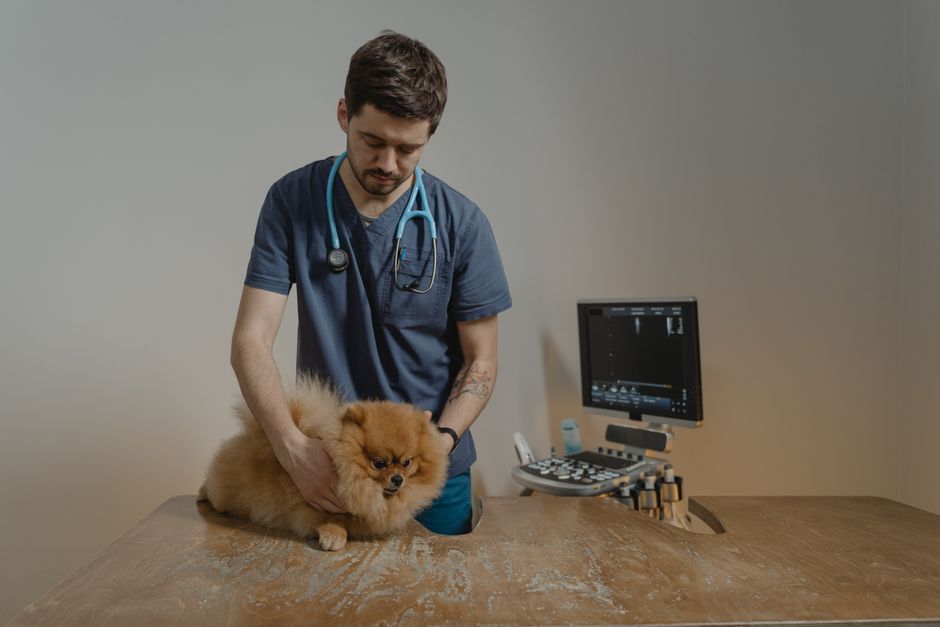
An echocardiogram is a specialized ultrasound examination that allows board-certified veterinary cardiologists to visualize the structure and function of your pet’s heart in real time. Unlike X-rays, which provide a still image, an echocardiogram shows the heart’s chambers, valves, and blood flow as they work. This level of detail is essential for diagnosing conditions like valve disease, cardiomyopathy, congenital defects, and fluid buildup around the heart.
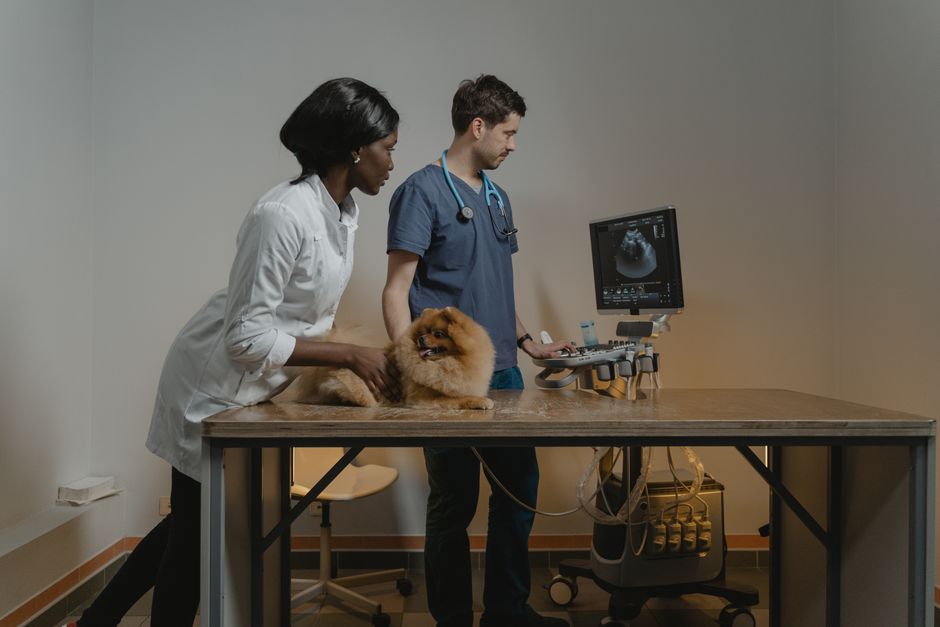
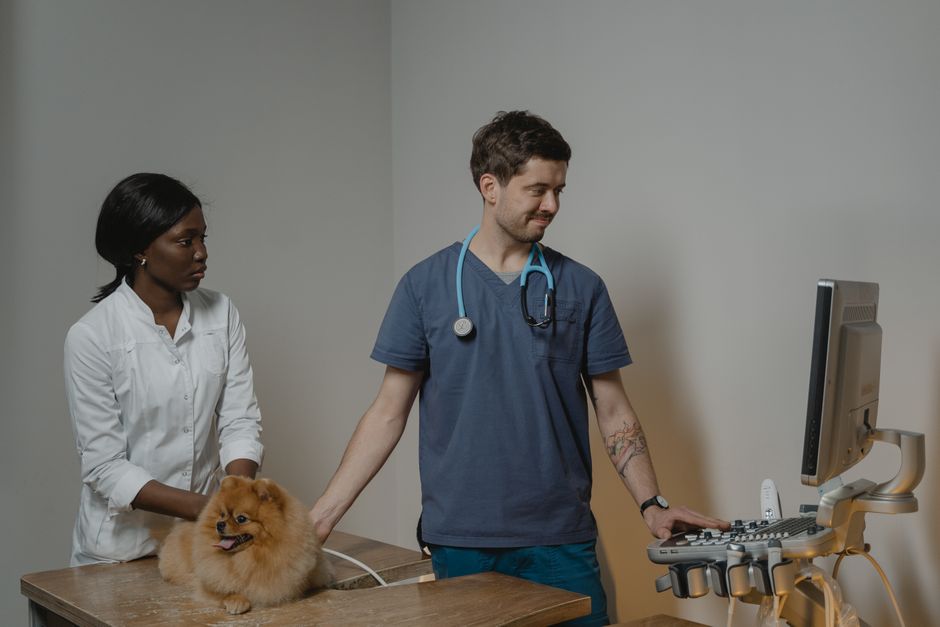
When your veterinarian refers your pet for an echocardiogram at 4 Paws Imaging, our team uses state-of-the-art equipment to deliver clear, accurate results. The procedure is non-invasive and painless; most pets do not require sedation and are able to relax comfortably on a padded table while the scan is performed. Our board-certified specialists interpret the images immediately, allowing for prompt, precise diagnoses.
Echocardiograms are invaluable not only for confirming suspected heart disease but also for monitoring the progression of known conditions and assessing the effectiveness of treatments. For pets scheduled for anesthesia or surgery, a pre-anesthetic cardiac screening with an echocardiogram can minimize risk by ensuring their heart is healthy enough for the procedure. You can read more about this important step in pre-anesthetic cardiac screening.
When Might Your Veterinarian Recommend an Echocardiogram?
There are several situations in which your veterinarian may suggest an echocardiogram for your pet. If a heart murmur or abnormal heart rhythm is detected during a routine examination, advanced imaging can help determine the cause and severity. Other indications include unexplained coughing, labored breathing, fainting, or episodes of collapse. In some cases, certain breeds with a known risk of heart disease may benefit from screening even before symptoms appear.
Specific scenarios that often prompt a referral for an echocardiogram include a new or changing heart murmur, abnormal findings on an X-ray or electrocardiogram (ECG), or a history of fainting or weakness. For more information on concerning symptoms such as panting or difficulty breathing in dogs or rapid or labored breathing in cats, our resource pages provide helpful details.
What to Expect During Your Pet’s Echocardiogram
Many pet owners are understandably nervous about advanced diagnostic procedures. The good news is that echocardiograms are gentle and non-invasive. Your dog or cat will lie comfortably while a small area of fur is shaved on the chest to allow for clear imaging. A specialized probe and gel are used to transmit sound waves, which create detailed pictures of the heart as it beats.
The process typically takes between 20 and 45 minutes, depending on your pet’s cooperation and the complexity of their condition. Most pets tolerate the procedure very well, and you are welcome to stay with your pet for reassurance. After the examination, our veterinary team will review the findings and share the results with your primary care veterinarian, who will discuss the next steps for your pet’s care.
At 4 Paws Imaging, all echocardiograms are interpreted by board-certified specialists, ensuring the highest standard of accuracy and expertise. This collaborative approach means your pet receives advanced diagnostics and personalized recommendations tailored to their unique health needs.
Proactive Steps to Support Your Pet’s Heart Health
While an echocardiogram is a powerful tool for diagnosing heart disease, there are also practical steps you can take at home to support your pet’s cardiovascular health. Maintaining a healthy weight, providing regular exercise appropriate for your pet’s age and breed, and feeding a balanced diet are all important. Ensuring your dog or cat receives routine veterinary checkups can help catch subtle changes before they become serious.
For breeds with a higher risk of heart disease, consider discussing preventive screening options with your veterinarian. Monitoring your pet for early signs—such as coughing, fatigue, changes in breathing, or reduced activity—can help you seek help at the earliest sign of trouble. If you notice concerning symptoms like fainting or sudden collapse in your dog or cat, it’s important to seek veterinary evaluation promptly; additional information is available on fainting or collapsing in dogs and fainting or collapsing in cats.
When to Seek Advanced Heart Imaging for Your Pet
If your veterinarian has identified a heart murmur, irregular heartbeat, or other concerning findings during an exam, advanced imaging may be the next step for a clear diagnosis. Even if your pet seems healthy, changes in behavior, breathing, or energy levels can sometimes point to hidden heart issues. It is always better to err on the side of caution, especially for senior pets or breeds with a higher risk of cardiac disease.
At 4 Paws Imaging, our veterinary professionals are committed to working closely with your primary care veterinarian to provide the right imaging at the right time. Our goal is to help you make informed decisions and offer your pet the best possible care, whether you’re preparing for the winter months or managing a chronic condition year-round.
If you have questions or concerns about your pet’s heart health, don’t hesitate to reach out to your veterinarian and ask about referral options for advanced imaging. Early detection is truly the key to giving your pet the best possible outcome.
Trust 4 Paws Imaging for Your Pet’s Heart Health in Downers Grove
Heart disease can be a silent threat, but with the right tools and expertise, early detection and management are entirely possible. By choosing 4 Paws Imaging, you give your dog or cat access to state-of-the-art echocardiogram services interpreted by board-certified specialists—all conveniently located at 2581 Ogden Avenue, Downers Grove, IL 60515. Whether your pet was recently diagnosed with a heart murmur or you want to be proactive about their health, our veterinary imaging team is here to provide the clarity and confidence you need.
If you are searching for a specialty cardiology vet near me, our team is ready to help your pet get the advanced care they deserve. To schedule a referral appointment or for more information about our echocardiogram services, call us at (630) 746-1382 or visit our comprehensive echocardiogram heart screenings page. We proudly serve Downers Grove and surrounding communities, supporting both local veterinarians and pet owners in providing the highest standard of heart care for dogs and cats.
If you notice any changes in your pet’s breathing, activity, or overall health, don’t wait—talk to your veterinarian about advanced imaging options at 4 Paws Imaging. Together, we can help your pet enjoy a healthier tomorrow.