How Routine Pet Imaging Detects Early Health Issues
How Routine Pet Imaging Detects Early Health Issues
When your pet seems healthy and full of life, the idea of advanced diagnostics like ultrasounds or X-rays might not be top of mind. Yet, just as with people, many pet health conditions develop quietly, showing few or no outward signs until they become more advanced. At 4 Paws Imaging, conveniently located at 2581 Ogden Avenue, Downers Grove, IL 60515, our veterinary imaging specialists are dedicated to helping you catch these hidden problems early through routine pet imaging. Routine diagnostic imaging services, including ultrasounds and X-rays, offer a window into your pet’s internal health and can reveal issues that might otherwise go unnoticed.
In this blog, we’ll explore how routine pet imaging can be seamlessly integrated into your pet’s preventive care plan, why it matters for both healthy and at-risk pets, and how early detection supports longer, happier lives for your companions. You’ll discover the value of preventive diagnostic imaging in Downers Grove and surrounding communities, understand what to expect from these services, and learn when seeking a specialist vet near me can make all the difference for your pet’s health journey. If you’re curious about the specific ultrasound services that support wellness and early detection, our abdominal ultrasound expertise can offer detailed insights into your pet’s internal organs, even before symptoms appear.
Recognizing When Your Pet Needs Routine Imaging
One of the biggest challenges in veterinary medicine is that pets often conceal discomfort or illness. In many cases, by the time a dog or cat shows obvious signs of disease, the condition may have already progressed. This is why routine pet imaging in Downers Grove is such an important part of proactive pet care, especially for aging pets, breeds with known health risks, or those with subtle changes in behavior.
Key signs that may prompt a veterinarian to recommend advanced imaging include unexplained weight loss, persistent vomiting or diarrhea, changes in appetite, coughing, difficulty breathing, or a decrease in energy levels. For some pets, especially those with chronic health conditions or a family history of disease, these changes may be so gradual that they are easy to overlook in daily life. Early detection through preventive diagnostic imaging near me allows our veterinary professionals to identify potential issues even before these symptoms become noticeable.
It’s also important to recognize that not all imaging is symptom-driven. Many veterinarians refer pets to 4 Paws Imaging for routine checks, such as annual abdominal ultrasounds, to monitor for early signs of organ disease, or cardiac evaluations to assess heart function before clinical signs develop. These proactive steps are especially valuable for breeds prone to specific health concerns, such as heart disease in Cavalier King Charles Spaniels or renal conditions in certain cat breeds.
Why Underlying Conditions Go Undetected Without Imaging
Many health problems in pets develop internally, where they are invisible to the naked eye. Organs such as the liver, kidneys, heart, and thyroid can undergo changes for months or even years before clinical symptoms become evident. In some cases, metabolic or hormonal imbalances may slowly alter a pet’s health, while tumors or cysts can grow silently.
Preventive diagnostic imaging in Downers Grove and surrounding communities provides a non-invasive way to detect these underlying changes. For example, an abdominal ultrasound can identify abnormalities in the liver or spleen, while an echocardiogram can pinpoint early heart changes that might not yet cause symptoms. This technology allows veterinary specialists to create a detailed picture of your pet’s internal organs, blood flow, and tissue structure, supporting targeted care and early intervention.
The importance of imaging becomes even clearer when considering conditions like hyperthyroidism in cats or heart disease in dogs. These diseases may only cause subtle behavioral or weight changes in the beginning. Without routine pet imaging in Downers Grove, these conditions might go untreated until they are more advanced, potentially limiting treatment options and affecting your pet’s quality of life. Our diagnostic approach helps bridge this gap, offering peace of mind for pet owners who want to be proactive about their animal’s health.
Diagnostic Imaging Services: What to Expect and How They Help
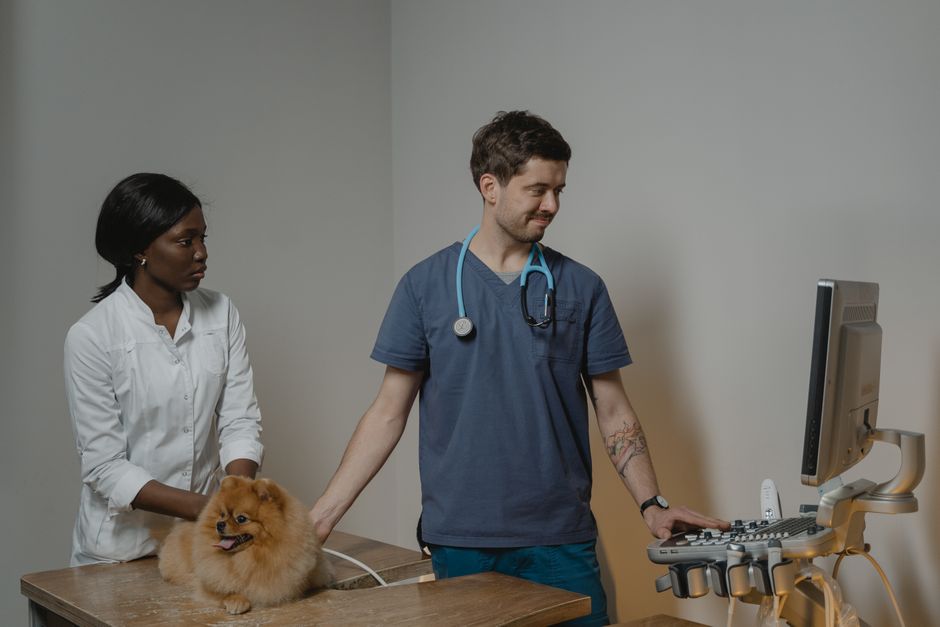
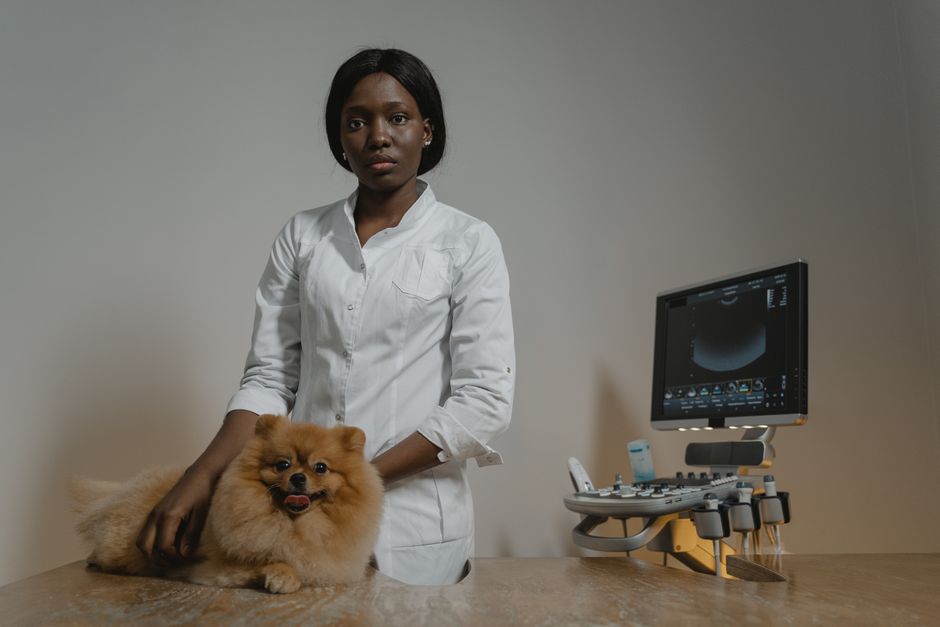
At 4 Paws Imaging, our board-certified veterinary professionals use state-of-the-art equipment to perform a wide range of imaging procedures. Routine pet imaging services in Downers Grove include abdominal ultrasounds, echocardiograms, X-rays, thyroid ultrasounds, and more. Each modality provides a different perspective on your pet’s health.
When your general veterinarian refers your pet to our imaging center, you can expect a collaborative approach. For example, our echocardiogram services offer a detailed evaluation of heart structure and function, interpreted by a board-certified cardiologist. This is especially beneficial for pets at risk for heart disease or those with a heart murmur detected during a routine exam. Similarly, our thyroid ultrasound is invaluable for pets with suspected thyroid gland enlargement or changes in metabolism.
The imaging process itself is typically non-invasive and well-tolerated by most pets. Some procedures, such as abdominal ultrasounds, may require gentle restraint or mild sedation for comfort, depending on your pet’s temperament and the area being examined. Our veterinary imaging team prioritizes your pet’s comfort and safety at every step, and our results are shared promptly with your primary veterinarian to ensure continuity of care.
Beyond diagnosis, routine imaging also plays a critical role in monitoring chronic conditions and assessing treatment progress. For example, a pet with a history of urinary tract issues may benefit from periodic ultrasounds to check for bladder stones or kidney changes, while a senior cat might undergo regular thyroid assessments to track changes over time. By integrating preventive diagnostic imaging near me into your pet’s health plan, you support early intervention and better outcomes.
Taking Preventive Steps at Home and Through Your Veterinarian
While advanced imaging is an essential tool for early detection, pet owners play a vital role in preventive care at home. Observing your pet for subtle shifts in behavior, appetite, or activity level can alert you to potential problems before they escalate. Regular wellness visits with your primary veterinarian are the cornerstone of preventive care, and discussing the benefits of routine pet imaging in Downers Grove during these appointments ensures your pet’s needs are addressed in a timely manner.
You can also take steps such as maintaining a healthy weight for your pet, providing balanced nutrition, and adhering to recommended vaccination and parasite prevention protocols. For senior pets or those with breed-specific risks, asking your veterinarian about advanced imaging options like abdominal ultrasounds or cardiac monitoring helps create a personalized wellness strategy.
If your veterinarian suggests preventive diagnostic imaging services near me, rest assured that our team at 4 Paws Imaging will work closely with your regular care provider to coordinate appointments and ensure a smooth, stress-free experience for both you and your pet. Our collaborative approach means you benefit from both your primary veterinarian’s knowledge and our specialized expertise.
When to Seek Specialist Veterinary Imaging
Knowing when to pursue advanced imaging is a key part of responsible pet ownership. If your pet is experiencing unexplained symptoms such as persistent vomiting, sudden weight loss, changes in breathing, or collapse, immediate consultation with your primary veterinarian is critical. If recommended, specialist veterinary imaging in Downers Grove offers the next level of diagnostic insight.
Additionally, pets with chronic conditions, senior animals, or those with a family history of certain diseases may benefit from routine pet imaging before symptoms occur. When your veterinarian refers you to 4 Paws Imaging, you gain access to advanced diagnostic tools and highly trained veterinary professionals who focus exclusively on imaging. This referral-based model ensures that your pet receives tailored care from the best specialist vet near me for their specific needs.
If you are searching for a specialty veterinarian near me for imaging, look for a center with board-certified specialists, state-of-the-art technology, and a reputation for compassionate, collaborative care. Our commitment to early detection, accuracy, and clear communication makes us a trusted partner for both pet owners and local veterinarians.
Conclusion: Early Detection for Lifelong Wellness
Routine pet imaging is a powerful ally in your pet’s lifelong wellness plan. By revealing hidden health issues before they become advanced, preventive diagnostic imaging in Downers Grove gives your pet the best chance for a healthy, active life. Whether your general veterinarian recommends an abdominal ultrasound, echocardiogram, or other advanced imaging, our veterinary professionals at 4 Paws Imaging are ready to provide expert support and guidance.
If you have questions about your pet’s risk factors or want to learn more about our full range of diagnostic imaging services, visit our comprehensive services page for more information. For those searching for a specialist veterinarian near me, our imaging center is dedicated to collaboration with your primary care provider and ensuring clear, actionable results.
Take the next step in protecting your pet’s health by speaking with your veterinarian about routine pet imaging in Downers Grove. For referral appointments or more information, reach out to our team at (630) 746-1382. We look forward to being your trusted partner in preventive diagnostic imaging and supporting your pet’s best possible future.
Medical Disclaimer: This blog is intended for informational purposes only and is not a substitute for professional veterinary advice. If your pet is experiencing concerning symptoms, please contact your primary care veterinarian or a veterinary specialist promptly.