Pet Diagnostic Imaging: Signs Your Dog or Cat May Need It
Pet Diagnostic Imaging: Signs Your Dog or Cat May Need It
When your dog or cat is feeling unwell or showing unusual behaviors, it’s natural to worry about what might be happening inside their body. Some conditions can’t be detected with a physical examination alone, which is where advanced pet diagnostic imaging comes in. At 4 Paws Imaging, located at 116 W Grand Avenue, Chicago, IL 60654, our board-certified veterinary specialists use state-of-the-art equipment to help uncover the cause of your pet’s symptoms. Whether your family veterinarian has recommended an ultrasound, echocardiogram, electrocardiogram, or Holter monitor, our team is here to provide clarity and support during uncertain times.
In this blog, we’ll explain how pet diagnostic imaging works, discuss the signs that your dog or cat might benefit from these advanced tests, and help you understand when it’s time to ask your veterinarian about a referral to our specialty practice. You’ll also find guidance on what to expect during your visit to 4 Paws Imaging and how early detection can make all the difference for your pet’s health and your peace of mind.
Recognizing When Your Pet May Need Diagnostic Imaging
Many pet owners wonder when a standard checkup is enough and when more advanced testing is necessary. Pet diagnostic imaging is typically recommended when a physical examination or routine bloodwork does not fully explain your dog or cat’s symptoms. There are a variety of signs and scenarios where your veterinarian may suggest imaging for more detailed answers.
Common reasons for pet diagnostic imaging include persistent vomiting or diarrhea that does not resolve with standard treatment, unexplained weight loss, changes in appetite, or ongoing lethargy. If your pet is experiencing difficulty breathing, coughing, or fainting, your veterinarian may recommend a comprehensive echocardiogram heart screening to evaluate heart function. Abdominal pain, distended belly, or suspected organ enlargement often prompt a non-invasive abdominal ultrasound, which helps visualize internal organs like the liver, kidneys, and spleen without the need for surgery.
Additional warning signs to watch for are sudden changes in urination or drinking habits, unexplained lameness or swelling, or the discovery of a lump or mass during an at-home check or veterinary exam. In some cases, young or middle-aged pets with a family history of heart disease may need proactive monitoring with an electrocardiogram or Holter monitor to catch subtle heart rhythm changes before symptoms appear.
If your pet is showing any of these signs, it’s important to discuss them with your veterinarian. Early imaging can often provide fast, accurate answers that guide the next steps for treatment.
How Imaging Supports Early Detection
Diagnostic imaging gives your veterinary team a window into your pet’s internal health without invasive procedures. For example, an ultrasound uses sound waves to create detailed images of soft tissues, helping identify tumors, cysts, or signs of inflammation. Echocardiograms and electrocardiograms are invaluable for detecting heart conditions in both dogs and cats, even before outward symptoms become obvious. When it comes to your pet’s well-being, early detection through imaging can make a significant difference in treatment success and long-term quality of life.
Understanding the Causes: Why Are Imaging Tests Needed?
Pet diagnostic imaging is recommended for a variety of medical reasons, all aimed at providing a clearer picture of what’s happening inside your dog or cat. These imaging tests are not just for emergencies; they are frequently used to investigate chronic or recurring issues that haven’t responded to initial treatments.
Some conditions that commonly lead to a recommendation for imaging include unexplained weight loss or gain, ongoing digestive issues, persistent coughing, or changes in heart or respiratory rate. Additionally, senior pets are more likely to develop age-related problems such as kidney, liver, or thyroid disease, and imaging can help identify these issues early on.
Pets with a history of cancer or those who have developed new lumps or bumps often require imaging to determine the type, size, and location of masses. Heart murmurs detected during a regular exam may prompt the need for a comprehensive echocardiogram or electrocardiogram to assess cardiac function in detail. Additionally, if your dog or cat is pregnant or you suspect a pregnancy, a pregnancy ultrasound can confirm fetal health and development.
Thyroid abnormalities are another common reason for imaging, especially in older cats and some breeds of dogs. A thyroid ultrasound evaluation can help diagnose disorders that might otherwise be missed with blood tests alone.
The ultimate goal of all these imaging modalities is to provide your veterinarian with accurate, real-time information that shapes the best possible treatment plan for your pet.
What to Expect: The Diagnostic Imaging Process for Your Pet
When you are referred to 4 Paws Imaging, our team of veterinary professionals will work closely with your primary care veterinarian to ensure a seamless experience for you and your pet. After reviewing your pet’s medical history and previous test results, our board-certified specialists determine which imaging modality is most appropriate.
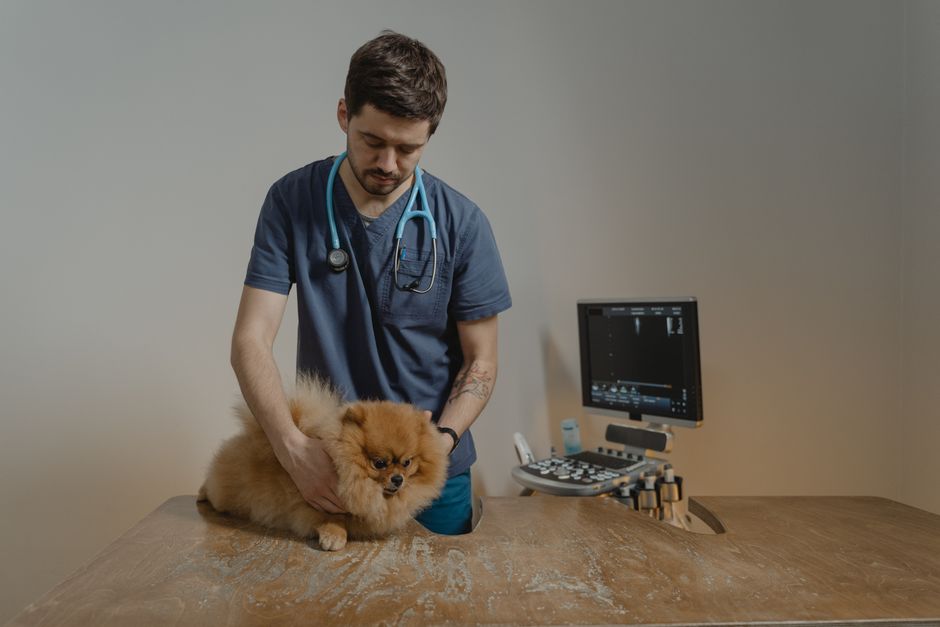
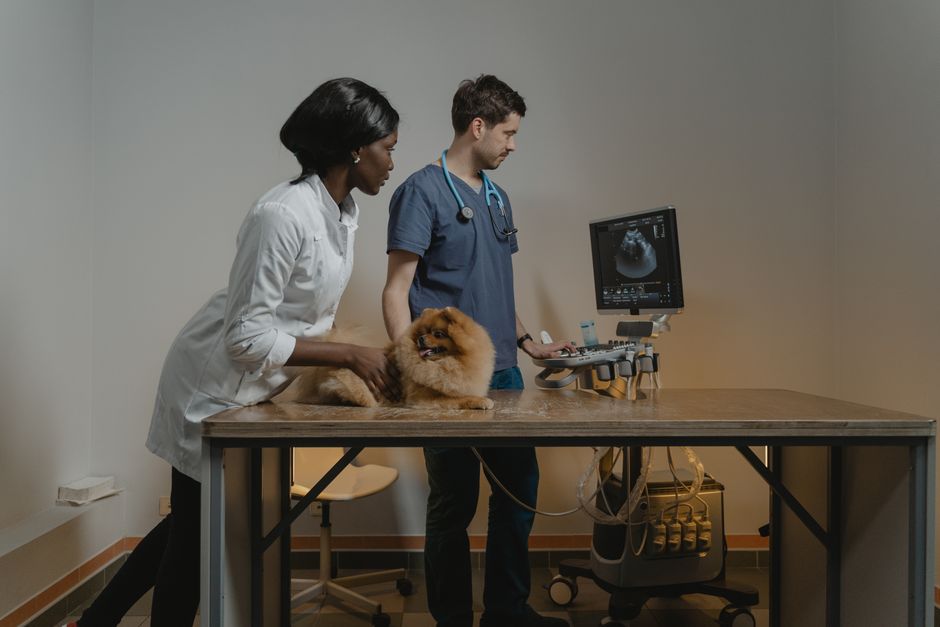
For most dogs and cats, ultrasounds and echocardiograms are non-invasive, painless procedures that do not require anesthesia. Your pet will be gently positioned on a comfortable table while the imaging probe glides over the area of interest, with real-time images displayed on a monitor. In some cases, a light sedative may be recommended to help your pet remain calm and still for the highest quality images.
Electrocardiograms and Holter monitors are used to record the heart’s electrical activity. An electrocardiogram is typically completed during the appointment, while a Holter monitor may be worn at home for 24 to 48 hours to capture intermittent heart rhythm changes. Throughout each procedure, our veterinary team is focused on minimizing stress and ensuring your pet’s comfort.
Once the imaging is complete, our specialists interpret the results and communicate detailed findings to your primary veterinarian. This collaborative approach ensures that you receive clear answers and a personalized treatment plan, whether further diagnostics, medication, or surgery is recommended.
The Importance of Board-Certified Interpretation
One of the advantages of choosing a specialty imaging practice like 4 Paws Imaging is access to board-certified specialists. Their advanced training allows for the most accurate interpretation of complex images, which is essential for diagnosing subtle or rare conditions. Accurate diagnosis is the foundation for effective treatment and peace of mind for pet owners.
How You Can Support Your Pet at Home
While pet diagnostic imaging is a vital tool for identifying hidden health issues, there are steps you can take at home to help your dog or cat stay healthy and comfortable. Observing your pet’s normal habits and being alert to any changes is one of the most effective ways to catch problems early. Regular veterinary checkups and open communication with your veterinarian are key to ensuring small issues are identified before they become serious.
If imaging is recommended, try to keep your pet calm before and after the appointment. Many pets do well with extra attention and reassurance on the day of their visit. For procedures that require fasting, your veterinary team will provide specific instructions. After your appointment, follow all recommendations for rest, medication, or follow-up care provided by your veterinarian and our specialists.
When Should You Seek Veterinary Care for Advanced Diagnostic Imaging?
It can be difficult to know when to ask about advanced diagnostics, especially if your pet is only showing subtle signs of illness. In general, you should seek veterinary care if your dog or cat has persistent or unexplained symptoms such as vomiting, diarrhea, coughing, breathing difficulties, changes in appetite, or abnormal behavior. Sudden episodes of collapse, fainting, or severe pain are always reasons for immediate evaluation.
If your veterinarian suggests imaging, it is important to follow through promptly, as early diagnosis can lead to better outcomes. Some conditions progress rapidly and require fast intervention, while others may be managed more effectively when caught early through imaging.
For pet owners who want the best for their companions, choosing a specialty imaging provider like 4 Paws Imaging ensures that your dog or cat receives the highest standard of care with the most advanced technology available.
Finding the Right Specialty Imaging Team Near You
When searching for a specialty vet near me, it is important to look for a practice with advanced equipment, experienced specialists, and a reputation for compassionate care. At 4 Paws Imaging, we serve Chicago and surrounding communities, including River North, Streeterville, and Gold Coast, providing support for pet owners who want answers and solutions for their dogs and cats.
Our veterinary professionals are committed to delivering accurate results, clear communication, and a supportive experience every step of the way. Whether your family veterinarian has already recommended imaging or you are seeking a second opinion, our team is here to help.
Take the Next Step for Your Pet’s Health
If your dog or cat is showing signs that might require pet diagnostic imaging, don’t wait to get the answers you need. Early detection can make all the difference in your pet’s treatment and quality of life. Our board-certified veterinary specialists at 4 Paws Imaging are ready to provide advanced diagnostics, including abdominal ultrasounds, echocardiograms, and Holter monitor services, right here in Chicago.
To schedule a consultation or learn more about how we can help, call our team at (630) 746-1382 or visit us at 116 W Grand Avenue, Chicago, IL 60654. For more information about our imaging services, explore our website at 4pawsimaging.net.
Choosing the right specialty imaging provider gives your pet the best chance for a healthy, happy future. If you’re looking for a specialty vet near me, trust the experienced veterinary team at 4 Paws Imaging to guide you through each step with compassion and expertise.