Pet Diagnostic Imaging: What Chicago Pet Owners Should Know
Pet Diagnostic Imaging: What Chicago Pet Owners Should Know
If you have ever faced the anxiety of not knowing why your dog or cat is unwell, you understand how important answers are for your peace of mind. Modern veterinary medicine offers powerful tools to help uncover what is happening inside your pet—without surgery or guesswork. Pet diagnostic imaging, such as ultrasounds, echocardiograms, and ECGs, can provide crucial insights, guiding your veterinarian toward the right treatment plan. At 4 Paws Imaging, located at 116 W Grand Avenue, Chicago, IL 60654, our team specializes in advanced diagnostic imaging for small animals. Whether your family veterinarian has recommended an abdominal ultrasound, a heart scan, or another specialized study, we are here to offer clarity and support at every step. In this blog, we will explore when pet diagnostic imaging is needed, how it works, what to expect during your visit, and how our board-certified imaging specialists help pets throughout Chicago and surrounding communities.
Recognizing When Your Pet May Need Diagnostic Imaging
Pet owners often wonder when imaging is necessary for their dog or cat. While many health concerns can be assessed through a physical examination and routine lab tests, certain symptoms or risk factors call for a closer look inside your pet’s body. Warning signs that may prompt your veterinarian to recommend an advanced imaging study include persistent vomiting or diarrhea that does not resolve, unexplained weight loss, changes in urination or drinking habits, difficulty breathing, coughing that lasts more than a few days, or a heart murmur detected during an exam. In older pets, subtle signs like decreased activity, abdominal swelling, or fainting episodes may indicate underlying conditions that are best evaluated with imaging.
In some cases, imaging is also used proactively. For example, your veterinarian may request a pregnancy ultrasound to confirm and monitor a litter, or a routine echocardiogram for breeds prone to heart disease before anesthesia or breeding. The goal is always to provide a clear picture of your pet’s health, allowing for early detection and more effective treatment.
Why Pet Diagnostic Imaging Is Essential
Pet diagnostic imaging plays a pivotal role in veterinary medicine by giving your veterinarian access to information that cannot be gathered through an external exam. The most common imaging modalities for small animals include ultrasound, echocardiogram, electrocardiogram (ECG), and Holter monitoring. Each one serves a distinct purpose.
How Imaging Helps Diagnose Internal Issues
Ultrasound uses sound waves to create live images of internal organs, such as the liver, kidneys, spleen, bladder, and intestines. This technology is invaluable for detecting tumors, cysts, organ enlargement, or blockages. For example, if your cat is experiencing frequent urination or blood in the urine, an abdominal ultrasound can reveal bladder stones or masses that may not show up on x-rays.
Echocardiography, or heart ultrasound, provides detailed views of heart structure and function. It is the gold standard for diagnosing conditions like cardiomyopathy or heart valve disorders. If your dog collapses during exercise or your veterinarian hears an abnormal rhythm, an echocardiogram is often the next step.
An electrocardiogram records your pet’s heart electrical activity, identifying arrhythmias or conduction problems. For intermittent or subtle issues, extended Holter monitoring can capture a 24-hour snapshot of your pet’s heart rhythm in real-life conditions. These tools help ensure an accurate diagnosis, so your veterinarian can recommend the most appropriate management for your pet’s unique needs.
When Imaging Makes a Difference
Some conditions simply cannot be diagnosed without imaging. Abdominal pain in a dog may result from a variety of issues; imaging can help distinguish between pancreatitis, a foreign body, a bleeding tumor, or an infection. For cats, heart disease is a leading cause of respiratory distress but often goes unnoticed until advanced stages. Advanced imaging allows your veterinary team to catch problems early and tailor treatment, improving outcomes and quality of life.
What to Expect During a Pet Diagnostic Imaging Appointment
As a specialty imaging center, 4 Paws Imaging works closely with your family veterinarian to provide advanced diagnostics in a calm and supportive environment. Here’s what you can expect when your pet is referred for imaging.
The Referral Process
Most pets are referred to us by their primary care veterinarian, who will share your pet’s medical history, lab results, and specific questions that need answers. Our experienced veterinary team will review this information before your appointment to ensure a focused and efficient visit.
The Day of Imaging
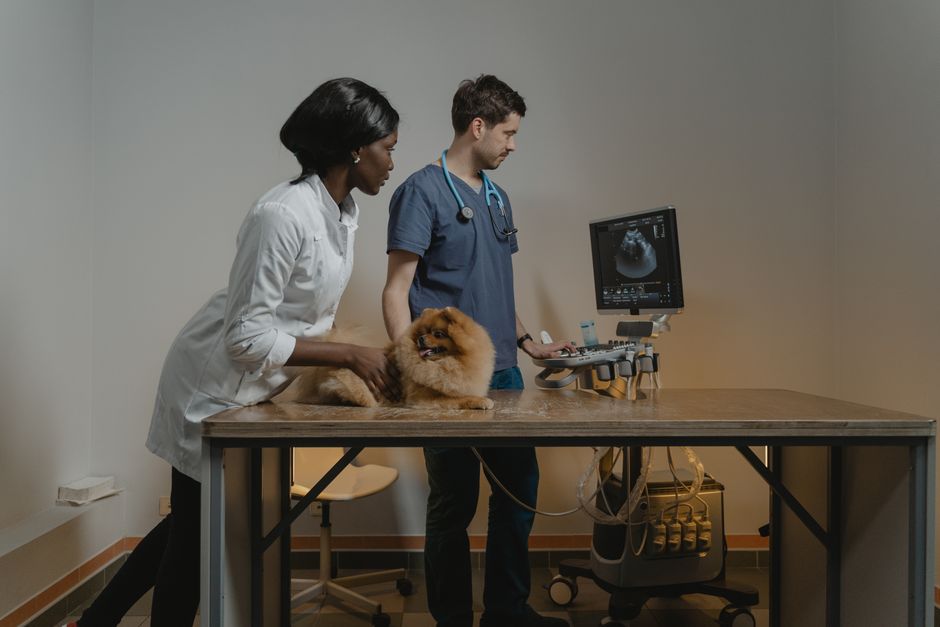
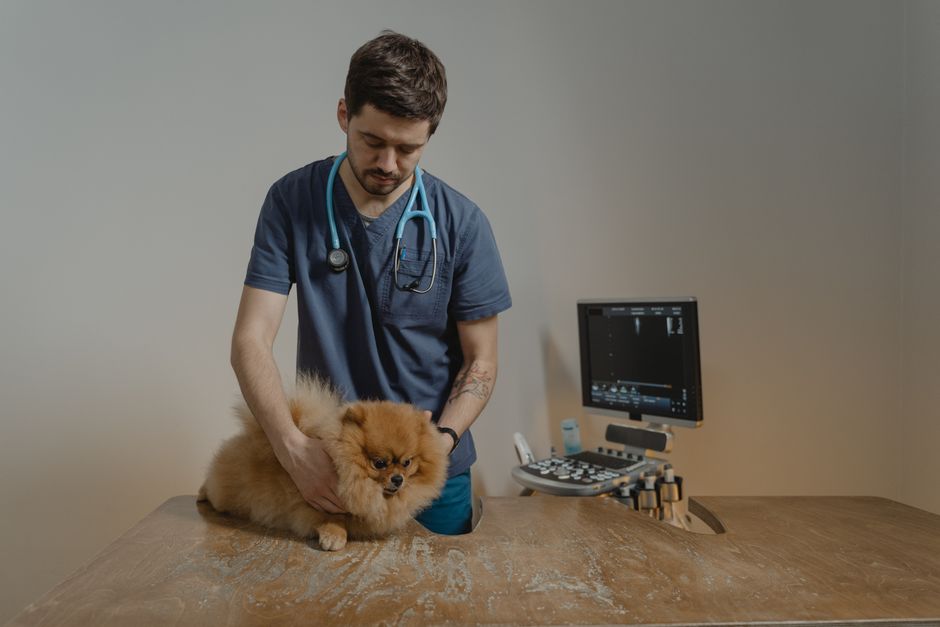
On the day of your appointment, our compassionate veterinary professionals will welcome you and your pet. Depending on the study, your pet may need to fast or have a full bladder for optimal images. For abdominal and pregnancy ultrasounds, gentle restraint is used and sedation is rarely needed. Echocardiograms and ECGs are typically performed with your pet lying comfortably on a padded table, with minimal stress. Our board-certified imaging specialists will explain the procedure, answer your questions, and ensure your pet’s comfort throughout.
After the study, the images and results are interpreted by our experts and promptly shared with your family veterinarian, who will discuss the findings and next steps with you. We believe in a team approach, supporting both you and your primary vet in making the best decisions for your pet’s health.
Understanding the Different Types of Pet Diagnostic Imaging
Imaging technology has advanced dramatically, allowing for safer and more detailed diagnostics. At 4 Paws Imaging, we offer a range of specialized studies to meet your pet’s needs.
Abdominal Ultrasound
An abdominal ultrasound produces real-time images of your pet’s internal organs and can be critical for detecting tumors, cysts, inflammation, and other abnormalities. This non-invasive test is often recommended when bloodwork or x-rays suggest a problem, but more detail is needed. Learn more about our abdominal ultrasound services and how they may help your pet.
Echocardiogram and Heart Imaging
Heart disease can be silent in dogs and cats, especially in the early stages. An echocardiogram allows our specialists to evaluate your pet’s heart chambers, valves, and blood flow. This is the gold standard for diagnosing conditions like hypertrophic cardiomyopathy in cats or mitral valve disease in dogs.
Electrocardiogram and Holter Monitors
An electrocardiogram (ECG) records the heart’s electrical activity and is essential for diagnosing arrhythmias. For pets with intermittent symptoms, Holter monitors can record heart activity over 24 hours, capturing irregularities that might be missed in a brief exam. These advanced tools are especially valuable for breeds at risk for heart rhythm disturbances or for monitoring response to heart medications.
Thyroid and Other Specialized Ultrasounds
Thyroid disorders are common in older cats and some breeds of dogs. A thyroid ultrasound provides detailed images of the thyroid gland, helping diagnose hyperthyroidism, hypothyroidism, or thyroid tumors. Our advanced imaging capabilities also support diagnosis of reproductive, adrenal, and other endocrine conditions.
How Imaging Guides Treatment and Ongoing Care
Accurate diagnosis is the foundation of effective treatment. When your pet’s imaging results are interpreted by a board-certified specialist, your veterinarian receives detailed insights that inform your pet’s care plan. For example, if an ultrasound identifies a benign cyst versus a malignant tumor, your veterinarian can tailor recommendations for surgery, medical management, or monitoring. In heart disease cases, echocardiogram findings determine the need for medication, lifestyle changes, or further intervention.
Our team’s commitment to collaboration ensures that your pet’s imaging results are shared promptly, and we are available to consult with your family veterinarian as needed. This partnership approach means your pet benefits from the highest standard of care possible.
Supporting Your Pet Before and After Imaging
As a pet owner, you play a vital role in ensuring your dog or cat’s comfort and safety before, during, and after diagnostic imaging. Following your veterinarian’s instructions regarding fasting, water access, or medication adjustments helps us obtain the best possible images. After the procedure, you may be asked to monitor your pet for any changes and report concerns to your primary veterinarian.
Most imaging studies are non-invasive and require little to no recovery time. However, if sedation is needed for your pet’s comfort, our veterinary professionals will discuss aftercare and answer any questions you have. Your understanding and involvement are important elements of a successful diagnostic process.
When to Seek Advanced Pet Diagnostic Imaging
It is natural to want quick answers when your pet is unwell. If your family veterinarian suspects an underlying condition that cannot be diagnosed through standard exams and lab tests, advanced imaging is often the next step. Trust your veterinarian’s recommendation if imaging is advised due to ongoing symptoms, abnormal bloodwork, or risk factors based on breed or age.
If you notice sudden changes in your pet’s health—such as collapse, severe breathing difficulty, or uncontrolled vomiting—seek emergency veterinary care immediately. For less urgent but persistent concerns, ask your primary veterinarian whether a specialty imaging referral is right for your pet. Early detection and accurate diagnosis can make all the difference in your pet’s treatment and quality of life.
Choosing the Right Imaging Center for Your Pet in Chicago
Selecting a specialty imaging provider is an important decision. At 4 Paws Imaging, we are dedicated to supporting both pet owners and primary care veterinarians by offering state-of-the-art diagnostics and compassionate care. Our experienced veterinary team works exclusively with dogs and cats, providing a calm, low-stress environment for every patient. We serve families throughout Chicago and surrounding neighborhoods, including the Near North Side, Streeterville, and The Loop.
When searching for a specialty vet near me, look for a center with advanced technology, board-certified specialists, and a commitment to collaborative care. Our team is always available to answer your questions and guide you through the imaging process.
Take the Next Step: Contact 4 Paws Imaging
If your veterinarian has recommended pet diagnostic imaging, or if you have questions about whether advanced imaging could benefit your dog or cat, our team at 4 Paws Imaging is here to help. We are committed to providing clear answers and expert support throughout your pet’s health journey. To learn more about our full range of imaging services, visit our diagnostic imaging services overview. If you are ready to schedule an appointment or want to discuss your pet’s needs, contact us today at (630) 746-1382 or stop by our conveniently located center at 116 W Grand Avenue, Chicago, IL 60654. When you need a specialty vet near me for pet diagnostic imaging, you can trust our board-certified veterinary professionals to provide answers and peace of mind for you and your pet.
Medical Disclaimer: This blog is for informational purposes only and does not replace professional veterinary advice. Always consult your veterinarian for specific concerns about your pet’s health.