Pet Scan Basics: How Diagnostic Imaging Helps Your Pet
Pet Scan Basics: How Diagnostic Imaging Helps Your Pet
When your pet is not feeling well or is showing unusual symptoms, it can be stressful and confusing. You want answers quickly and reassurance that your beloved companion will get the care they need. At 4 Paws Imaging, located at 2581 Ogden Avenue, Downers Grove, IL 60515, our experienced veterinary team uses advanced diagnostic imaging—including X-rays, ultrasounds, and CT scans—to provide fast, accurate information about your pet’s health. If you have ever wondered what a pet scan is or when your veterinarian might recommend one, you are not alone. In this guide, we will explore what diagnostic imaging entails, how it works, and how a pet scan in Downers Grove can be a vital tool to keep your furry family members healthy. Whether your general veterinarian has referred you for specialized imaging or you are seeking more information about these services, we are here to help you understand the process and what to expect every step of the way.
Recognizing When Your Pet Might Need a Pet Scan
As a pet owner, you know your companion better than anyone. You notice when something seems off—maybe your dog is limping after a walk, your cat is suddenly hiding more than usual, or your senior pet has developed a cough or trouble breathing. While some changes may be minor, others can signal underlying health problems that require a deeper look. This is where a pet scan can make all the difference. Symptoms that might prompt your veterinarian to recommend diagnostic imaging include persistent vomiting or diarrhea, unexplained weight loss, difficulty urinating, sudden lethargy, or seizures. Other situations can involve chronic coughing, abnormal heart rhythms, or suspected injuries after trauma. Sometimes, imaging is part of proactive screening, such as monitoring pregnancy or evaluating heart function in breeds prone to cardiac disease. If your veterinarian suspects a problem that cannot be fully diagnosed through a physical exam or basic lab tests, they may refer you to a specialty imaging center like 4 Paws Imaging for a more comprehensive assessment.
How Imaging Reveals the Hidden Story
Every pet is different, and symptoms can be subtle or overlap with many different conditions. Diagnostic imaging gives your veterinary team a window into your pet’s body, allowing us to see internal organs, bones, soft tissues, and even blood vessels without the need for surgery. For example, an abdominal ultrasound can reveal tumors, obstructions, or organ changes that are invisible from the outside. An echocardiogram—a special ultrasound of the heart—can diagnose heart murmurs or structural abnormalities that might be causing your pet’s cough or fatigue. By using the right imaging tool for each scenario, we help your veterinarian make informed decisions about the next steps in your pet’s care.
Understanding Why Diagnostic Imaging Is Needed
Diagnostic imaging is not just for emergencies or rare conditions. Many everyday health problems in pets can benefit from advanced imaging to confirm a diagnosis, plan a treatment strategy, or monitor ongoing progress. The need for a pet scan arises in several situations. Injuries such as fractures, joint problems, or suspected foreign objects require precise visualization to guide treatment. Chronic diseases like heart disease, liver dysfunction, or kidney problems often show internal changes before external symptoms become obvious. Additionally, imaging is crucial for detecting cancers, tracking pregnancy, and evaluating the effectiveness of medications or therapies. In some cases, your primary veterinarian may notice something concerning during a wellness visit or on routine lab work, prompting a referral for further imaging. Our role at 4 Paws Imaging is to provide these specialized insights using the latest technology and a compassionate approach.
The Types of Pet Scans We Offer
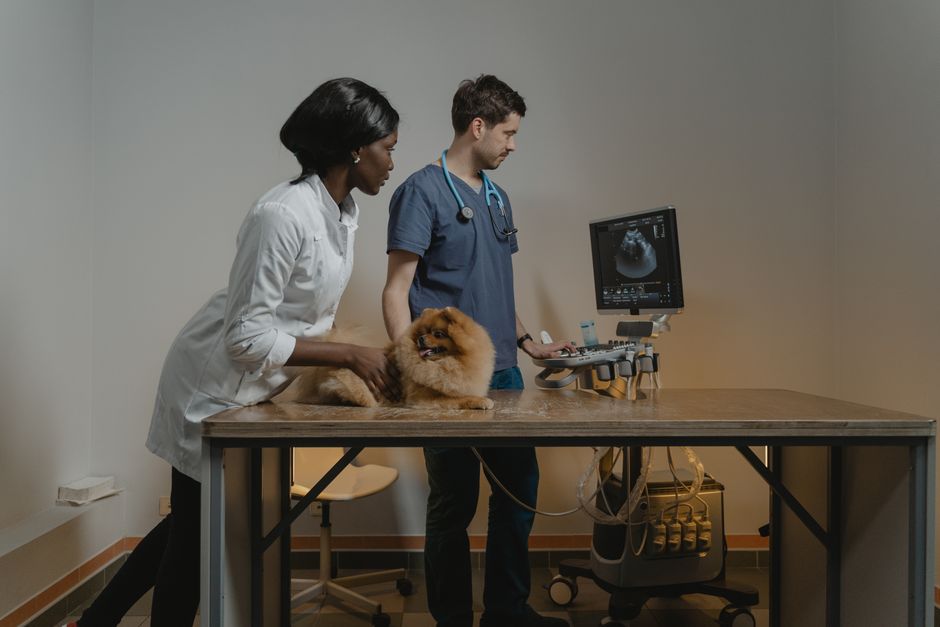
Not all imaging is the same, and each type has its own strengths. At our Downers Grove location, we offer a wide range of diagnostic imaging services. X-rays are ideal for evaluating bones, lungs, and the abdomen for signs of injury, infection, or abnormal growths. Ultrasound is a versatile, non-invasive way to assess soft tissues, organs, and blood flow in real time. For pets with suspected heart conditions, an echocardiogram provides a detailed view of the heart’s chambers and valves. Our advanced CT scan technology allows us to create cross-sectional images for complex cases, such as neurological disorders or intricate orthopedic issues. If your pet needs a specialized evaluation, such as a pregnancy ultrasound, thyroid ultrasound, or electrocardiogram, our team is equipped to provide these services as well. Each imaging modality is chosen based on your pet’s unique needs and your veterinarian’s recommendations.
What to Expect: The Pet Scan Process in Downers Grove
Knowing what to expect can make the process less stressful for both you and your pet. When your veterinarian refers you to 4 Paws Imaging, our veterinary professionals will review your pet’s medical history and specific concerns. On the day of your appointment, we will explain the imaging procedure and answer any questions you may have. For most ultrasounds and X-rays, pets do not require anesthesia and can go home the same day. However, for certain scans—such as CT imaging or when a pet is very anxious or unable to stay still—sedation may be necessary to ensure clear images and your pet’s comfort. Our facility is designed to be welcoming and low-stress, with gentle handling and plenty of reassurance from our caring team. Once the images are captured, our board-certified veterinary radiologists interpret the results and share a detailed report with your referring veterinarian. This collaborative approach ensures that your pet receives the most informed and effective care possible.
Specialized Imaging for Specific Needs
Different health concerns require different imaging approaches. For example, if your veterinarian suspects an abdominal issue, we may recommend an abdominal ultrasound to visualize the liver, kidneys, spleen, and intestines. Heart murmurs or arrhythmias can be evaluated with an echocardiogram or Holter monitor for continuous heart rhythm tracking. If your pet has an endocrine disorder, a thyroid ultrasound can help pinpoint the problem. Our goal is to use the most effective, least invasive method to get the answers you and your veterinarian need.
How Diagnostic Imaging Guides Pet Treatment and Care
Once a pet scan is performed, the information gathered becomes a cornerstone of your pet’s care plan. Imaging can confirm a suspected diagnosis, rule out certain problems, or reveal new findings that change the course of treatment. For instance, an ultrasound may show that a mass is benign and does not require surgery, or it may identify an obstruction that needs to be addressed immediately. In cases of heart disease, imaging results help determine the best medications and lifestyle adjustments for your pet. If a CT scan reveals a neurological issue, your veterinarian can use the detailed images to plan surgery or rehabilitation. The precision and clarity provided by advanced imaging allow your veterinary team to tailor treatments, avoid unnecessary procedures, and monitor how well therapies are working over time.
Monitoring and Preventive Uses
Diagnostic imaging is also valuable for ongoing monitoring and preventive care. Pets with chronic conditions, such as heart disease or endocrine disorders, benefit from periodic imaging to track progression and adjust treatments as needed. For breeding animals, pregnancy ultrasounds are used to monitor fetal health and prepare for safe delivery. Early detection is key; imaging can reveal subtle changes before symptoms become severe, giving your veterinarian a head start in managing your pet’s health.
What Pet Owners Can Do at Home
While diagnostic imaging must be performed by trained professionals, pet owners play a vital role in their pet’s overall health. Paying attention to changes in behavior, appetite, energy levels, or bathroom habits can provide early clues that something is wrong. Regular wellness visits with your primary veterinarian are essential for catching issues before they escalate. If your pet has a chronic condition, administering medications as prescribed, following recommended diets, and keeping follow-up appointments will help maximize the benefits of any imaging performed. After a pet scan, keep a close eye on your pet for any new or worsening symptoms and communicate promptly with your veterinary team if anything concerns you. Providing a calm, comfortable environment for your pet before and after their imaging appointment will also help reduce stress and promote healing.
When to Seek Professional Help for Your Pet
There are moments when waiting is not an option. Sudden or severe symptoms—such as difficulty breathing, collapse, seizures, uncontrollable vomiting, or trauma—require immediate veterinary attention. If your veterinarian recommends a pet scan, it is because the results are critical for making the right decisions about your pet’s care. Always follow your veterinarian’s advice regarding the timing and type of imaging needed. At 4 Paws Imaging, we work closely with primary care veterinarians in Downers Grove and surrounding communities to provide timely, accurate answers. If you are unsure whether your pet’s symptoms warrant imaging, do not hesitate to ask your veterinarian for guidance. Early intervention often leads to better outcomes and less stress for everyone involved.
Your Trusted Resource for Pet Scans in Downers Grove
When it comes to your pet’s health, having access to advanced diagnostic imaging can make all the difference in diagnosing problems quickly and accurately. At 4 Paws Imaging, our veterinary professionals are dedicated to delivering the highest standard of care, using cutting-edge equipment and a compassionate approach for every patient. If your veterinarian has referred you for a pet scan or you are searching for a specialty vet near me, you can trust our expertise and commitment to your pet’s wellbeing. We encourage you to visit our services overview to learn more about the full range of imaging options available.
If you have questions about your pet’s upcoming scan, or you would like more information about our diagnostic imaging services, please call (630) 746-1382 or reach out through our website. Our team is here to support you and your veterinarian every step of the way, ensuring your pet receives the best care possible in Downers Grove and surrounding communities. Your pet’s health is our top priority, and we look forward to being your partner in advanced veterinary imaging.
This article is intended for informational purposes only and should not replace professional veterinary advice. Always consult your veterinarian regarding any health concerns or before making decisions about your pet’s diagnostic and treatment options.