Understanding Holter Monitors for Dogs With Heart Concerns
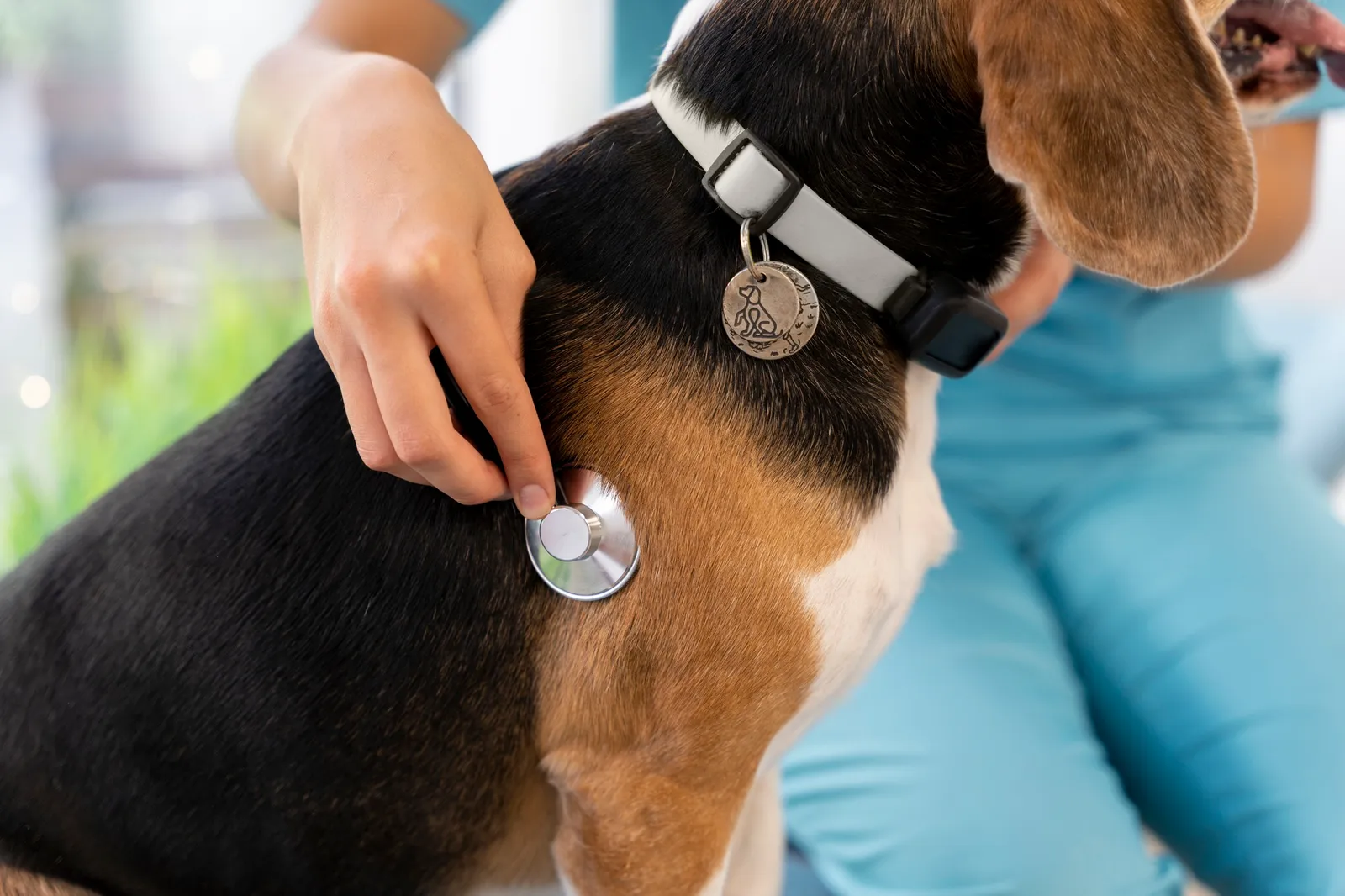
Understanding Holter Monitors for Dogs With Heart Concerns
If you have noticed unusual symptoms in your dog such as fainting, weakness, or episodes of collapse, you may be feeling worried and uncertain about what these signs could mean for your pet’s heart health. Many heart conditions in dogs are not obvious during routine examinations and may require advanced diagnostic tools to be fully understood. At 4 Paws Imaging, located at 2581 Ogden Avenue, Downers Grove, IL 60515, our focus is on providing specialized imaging services that help your primary veterinarian uncover complex heart issues. One valuable tool in our diagnostic arsenal is the Holter monitor—a device that can reveal hidden arrhythmias and provide insight into your dog’s cardiac rhythm over a 24-hour period or longer. In this blog, we’ll guide you through what a Holter monitor is, why it might be recommended for your dog, what to expect during monitoring, and how our board-certified specialists interpret these findings to support your veterinarian in creating an effective care plan. If you’re searching for advanced heart diagnostics for your dog in Downers Grove or nearby communities, our veterinary imaging team is here to help.
Recognizing Signs of Heart Rhythm Problems in Dogs
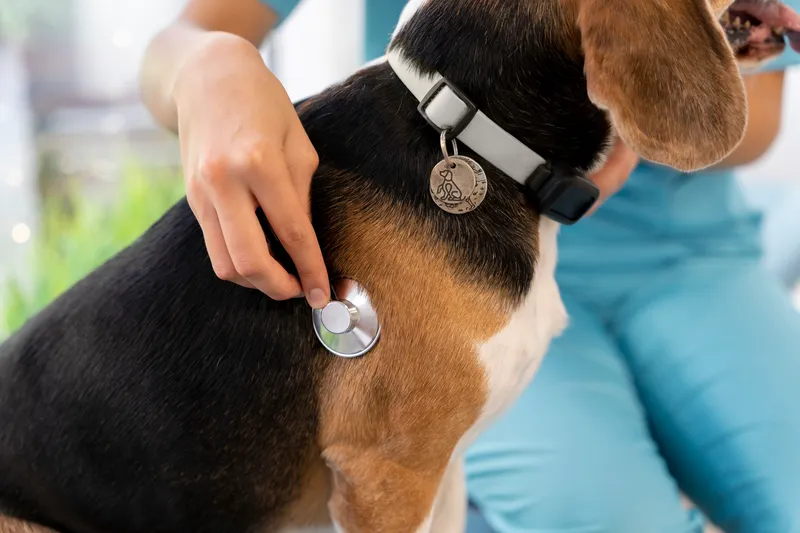
Many heart rhythm disturbances in dogs, known as arrhythmias, can be subtle and difficult to detect without specialized equipment. As a pet owner, you might notice that your dog occasionally seems weak, breathes rapidly, or even faints during excitement or exercise. Additional warning signs include episodes of collapse, unexplained lethargy, or sudden changes in stamina. Sometimes, arrhythmias are first suspected when your veterinarian hears an abnormal heart rhythm during a physical exam or detects irregularities when listening to your dog’s heartbeat. In some cases, a dog may have a known heart murmur or be undergoing pre-anesthetic cardiac screening, and your primary veterinarian may recommend further cardiac evaluation if there are concerns about arrhythmias. If you are unsure whether your dog’s symptoms could be related to a heart rhythm issue, our team encourages you to visit our educational page on irregular heartbeats and arrhythmias in dogs for more information.
Fainting, Collapsing, and Other Concerning Episodes
Episodes of fainting, collapsing, or sudden weakness can be alarming for any pet owner and are often linked to cardiac rhythm abnormalities. These symptoms may occur unpredictably or be triggered by excitement, exercise, or stress. While other non-cardiac causes are possible, it’s important to consider a detailed heart evaluation when such events happen. If your dog has experienced any of these symptoms, you can learn more about the connection between fainting or collapsing and heart disease on our guidance page for fainting or collapsing in dogs.
Understanding Why Holter Monitors Are Used for Dogs
A Holter monitor is a specialized device that records your dog’s heart rhythm continuously, usually for 24 hours or longer. Unlike a standard electrocardiogram (ECG), which offers a brief snapshot of heart activity during a clinic visit, a Holter monitor captures subtle rhythm changes that may not be evident in a short exam. This is especially important because some arrhythmias occur sporadically or only under certain conditions, such as during sleep, rest, or excitement at home.
How Holter Monitors Work
The Holter monitor consists of a small, portable device attached to your dog with adhesive electrodes placed on the chest. The monitor records every heartbeat as your dog goes about normal daily activities at home. This continuous monitoring is essential for detecting dangerous arrhythmias that could lead to fainting, weakness, or even sudden cardiac events. The data collected is later interpreted by our board-certified veterinary specialists, who work closely with your primary care veterinarian to develop a tailored treatment plan for your dog.
When Your Veterinarian May Recommend a Holter Monitor
Your veterinarian might suggest a Holter monitor if your dog has symptoms such as unexplained weakness, fainting, or collapse, or if there is a suspicion of arrhythmia based on physical examination or routine ECG findings. Holter monitoring is also commonly used to evaluate dogs with known heart murmurs, especially if there is concern about underlying heart disease that could affect anesthesia safety or require medication adjustments. To understand more about why a Holter monitor might be recommended, visit our Holter monitor services page.
What to Expect During Holter Monitoring at 4 Paws Imaging
Having your dog fitted with a Holter monitor at 4 Paws Imaging is a straightforward and stress-minimized process. Our skilled veterinary team will gently prepare your dog’s chest area by shaving small patches for the electrodes and securing the device with a comfortable vest or wrap. The entire process is designed to be as non-invasive and comfortable as possible for your pet.
Life at Home with a Holter Monitor
Once the Holter monitor is in place, your dog will return home to resume normal daily activities. It is important to avoid bathing or swimming and to monitor your dog for any signs of discomfort or attempts to chew at the device. Our team provides clear instructions for care during the monitoring period, ensuring the device stays secure and the data collected is accurate. At the end of the monitoring period, you will return to 4 Paws Imaging to have the monitor removed. The recorded data is then analyzed by our board-certified specialists, who generate a detailed report for your primary veterinarian.
How Holter Monitor Results Guide Treatment
The information gathered from a Holter monitor provides your veterinarian with a comprehensive picture of your dog’s heart rhythm over an extended period. This data can help determine whether medication is needed to control arrhythmias, if dosage adjustments are necessary, or if further diagnostic imaging such as echocardiogram heart screenings or electrocardiogram services would benefit your dog. In some cases, Holter monitoring can confirm that your dog’s fainting or collapse is not related to heart rhythm disturbances, providing peace of mind and guiding future care decisions.
Working with Your Primary Veterinarian
At 4 Paws Imaging, our role is to support your primary care veterinarian through advanced diagnostics and specialist interpretation. Once the Holter monitoring results are available, we collaborate with your veterinarian to help them determine the best next steps for your dog, whether that means medication changes, additional imaging, or ongoing monitoring. This partnership ensures your pet receives the most accurate diagnosis and the most effective, individualized treatment plan.
Home Care and Support During Holter Monitoring
While your dog is wearing the Holter monitor, your main responsibilities are to keep the device dry, prevent your dog from scratching or chewing at the equipment, and document any unusual behaviors or symptoms in a diary provided by our veterinary team. This diary can be invaluable in helping us correlate specific episodes with the recorded heart activity. If you notice any signs of distress, discomfort, or technical problems with the device, contact our team promptly for guidance.
When to Seek Professional Veterinary Care
If your dog experiences repeated episodes of fainting, collapse, severe weakness, or distress while wearing the Holter monitor, it is important to contact your primary care veterinarian immediately. These symptoms could indicate a severe arrhythmia or other medical emergency. The Holter monitor is a diagnostic tool and does not treat or prevent arrhythmias, so urgent symptoms always require prompt veterinary attention. For dogs with known heart murmurs or those undergoing anesthesia in the near future, a pre-anesthetic cardiac screening may also be recommended before any procedures to ensure safety and optimal care.
Why Choose 4 Paws Imaging for Advanced Cardiac Diagnostics
As a specialty imaging provider, 4 Paws Imaging is dedicated to delivering precise, advanced diagnostics for dogs with suspected or known heart issues. Our board-certified veterinary specialists interpret every Holter monitor recording, ensuring your dog’s results are analyzed with the highest level of expertise. Located conveniently at 2581 Ogden Avenue, Downers Grove, IL 60515, we serve Downers Grove and surrounding communities with compassion and professionalism. Our team is committed to working in partnership with your primary veterinarian, providing the information and support needed to safeguard your dog’s heart health.
If you are searching for a specialty cardiology vet near me, know that our team at 4 Paws Imaging is here to help guide you through every step of the diagnostic process.
Take the Next Steps for Your Dog’s Heart Health
If you have questions about your dog’s heart rhythm, have noticed symptoms of fainting or collapse, or have been referred by your primary veterinarian, reach out to 4 Paws Imaging for expert support. Our veterinary imaging professionals are ready to answer your questions and coordinate with your veterinarian to ensure your dog receives the most advanced cardiac care available. To request a Holter monitor evaluation, your veterinarian can submit a referral using our Holter monitor application form.
For more information or to speak with our team, call (630) 746-1382 or visit our website at 4pawsimaging.net. Your dog’s heart health deserves the most accurate diagnostics and compassionate care—trust the specialists at 4 Paws Imaging in Downers Grove to deliver peace of mind and expert answers for you and your pet.
This article is intended for informational purposes only and should not replace professional veterinary advice. Always consult your veterinarian for concerns specific to your dog’s health.